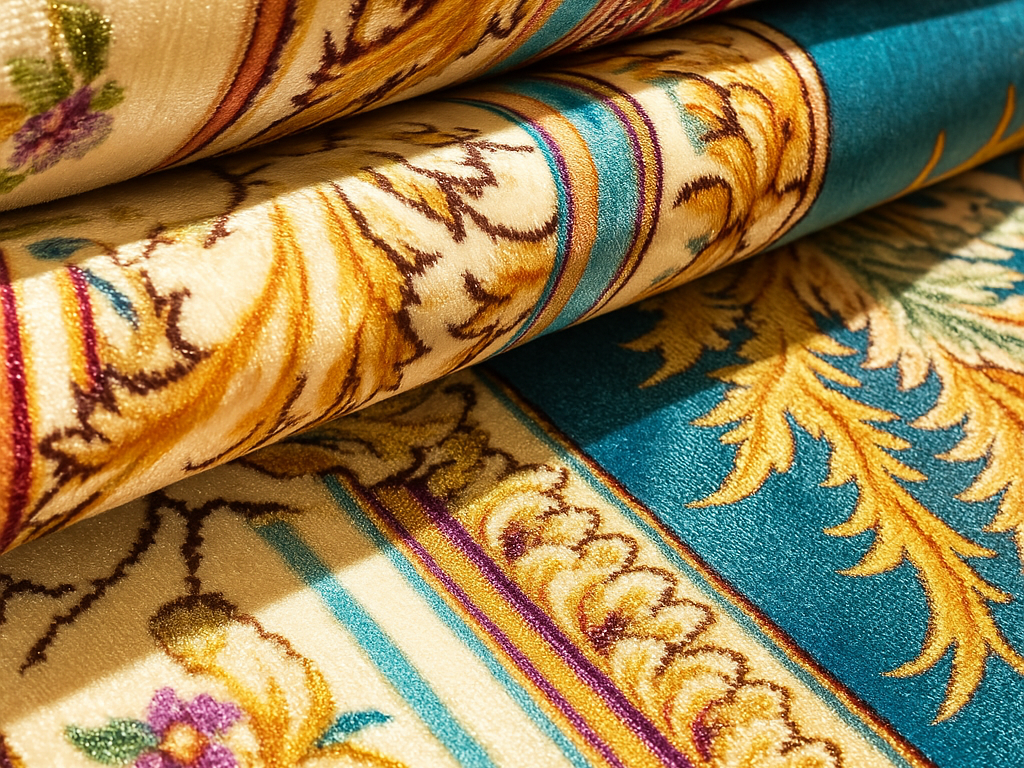
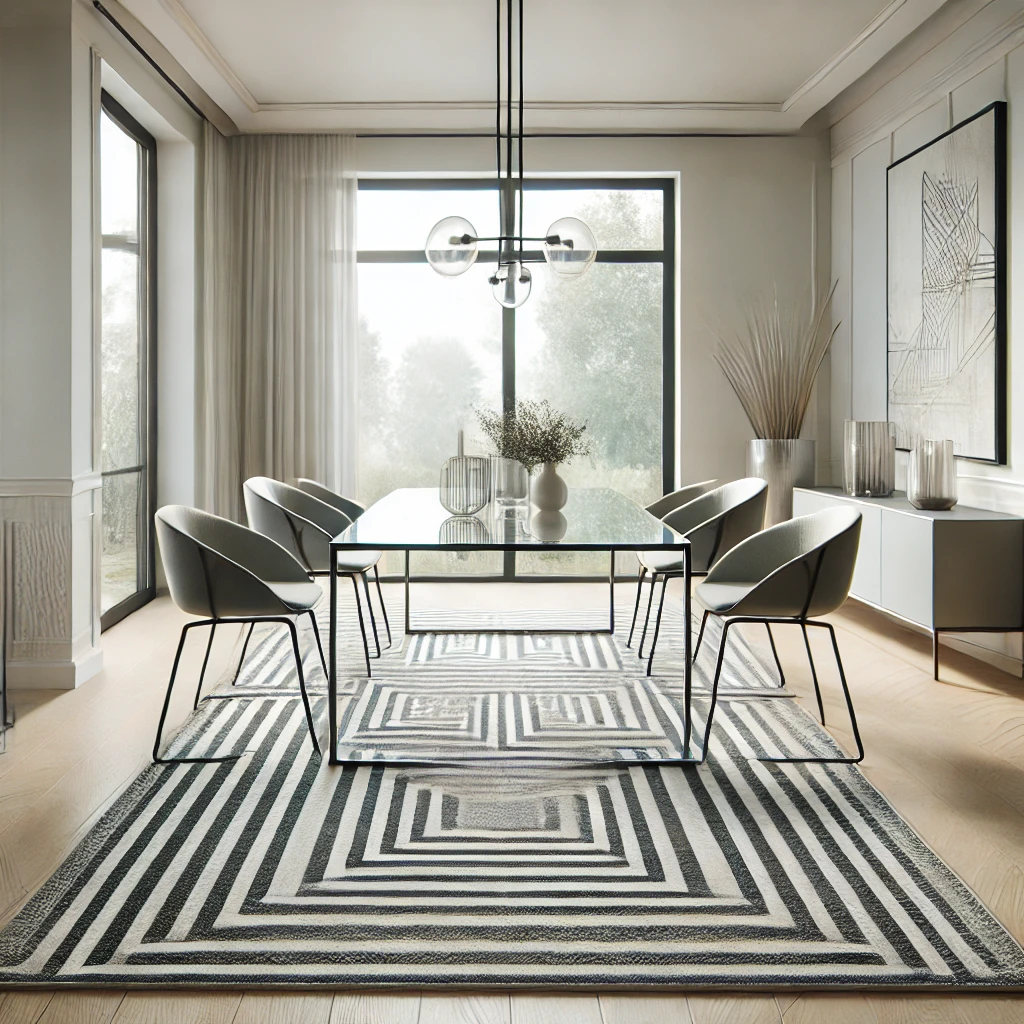
In today’s interior design landscape, commercial spaces are evolving rapidly. Offices, retail environments, and hospitality venues are no longer mere backdrops for daily activity—they are immersive environments shaped by design, functionality, and sensory experience. Among the elements driving this transformation, tufted rugs have emerged as a crucial piece in crafting atmosphere, improving acoustics, and weaving in brand identity.
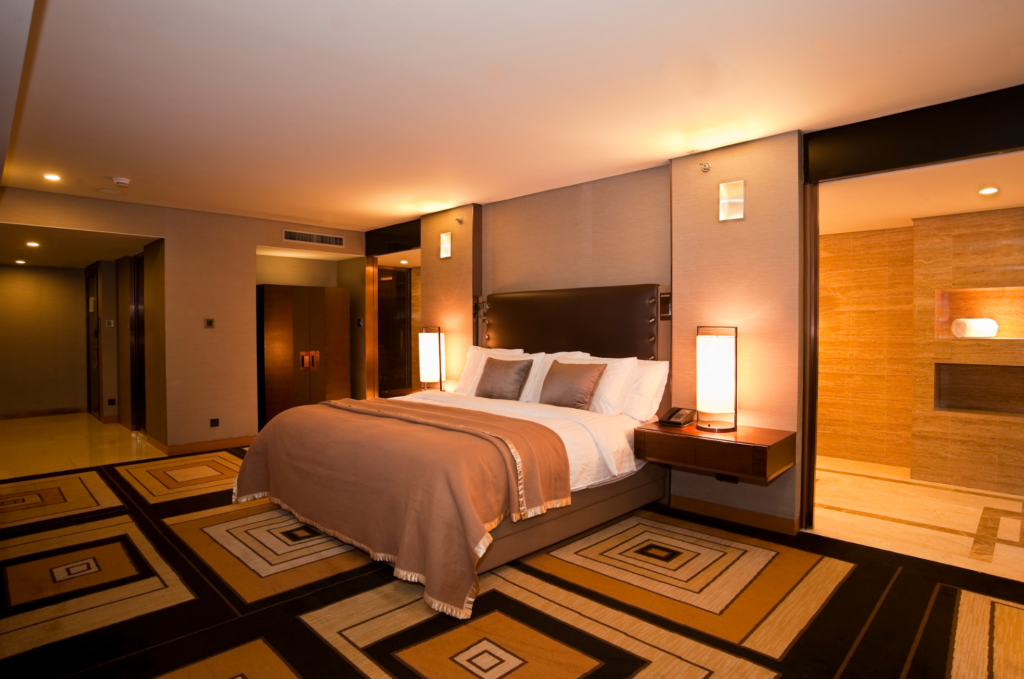
This article explores the most compelling trends in tufted rugs for commercial applications—from offices to luxury hotels to retail storefronts. We’ll unpack design aesthetics, performance considerations, material innovations, and practical strategies for choosing and styling tufted rugs that resonate with contemporary expectations. Throughout, we will draw on recent design insights, market data, and interior design practices that inform what’s currently shaping the commercial rug segment.
1. Why Tufted Rugs Matter in Commercial Spaces
Commercial interiors differ significantly from residential settings. They demand durability, ease of maintenance, and design versatility—while also supporting brand identity and user experience.
Tufted rugs tick many of these boxes:
- Visual impact: Rugs can anchor a space, define zones, and reinforce branding through color and pattern.
- Acoustic improvement: Soft textiles help reduce reverberation and noise levels—especially critical in open-plan offices and hospitality lobbies.
- Comfort and circulation: Rugs define pathways and seating areas, subtly guiding clients or employees through a space.
- Durability and performance: Modern tufted production techniques create rugs that withstand heavy foot traffic, cleaning cycles, and frequent use.
Across offices, retail stores, and hospitality venues, tufted rugs are now seen as both functional floor coverings and strategic design investments.
2. Aesthetic Trends Shaping Tufted Rugs in Commercial Design
a. Earthy & Nature-Inspired Palettes
In recent design forecasts, nature-centered color trends—such as muted terracotta, clay, sage greens, and earthy neutrals—remain strong. These hues foster warmth and connection to the natural world, which enhances comfort and reduces visual fatigue in busy commercial environments.
Rather than cool greys or sterile minimalism, designers increasingly favor grounded palettes that signal calm and stability. For offices, these tones can encourage focus; in hospitality venues, they promote relaxation and welcome.
b. Dusty Jewel Tones & Dynamic Color Pairings
Alongside earthy tones, dusty jewel colors like aged emerald, amethyst, and midnight blue are gaining traction. These hues carry richness without overwhelming a space, making them ideal for features such as lobby rugs or executive meeting room centerpieces.
Contrast plays a part too. Unexpected color pairings—chartreuse with baby blue, periwinkle with chocolate—create vibrancy that stands out without feeling chaotic. In retail spaces, such visual energy can amplify brand storytelling and draw attention to key product zones.
c. Abstract, Organic, and Artistic Patterns
Classic geometric patterns are being reimagined. Instead of rigid symmetry, designers now favor organic geometry—overlapping shapes, uneven grids, and fluid patterns that feel more expressive than directive.
Abstract, painterly motifs are especially relevant in hospitality and retail. Think of rugs that resemble floor canvases: sweeping gradients, brushstroke-inspired forms, or layered color transitions that evoke emotion and visual depth.
Such designs become focal points, directing foot traffic and influencing mood in ways that traditional carpets cannot.
d. Vintage Revival with a Modern Twist
Interest in retro motifs, tribal influences, and mid-century aesthetics continues, but with fresh interpretations. Rug designs now balance nostalgic patterns with contemporary hues and updated tufting techniques, making them suitable for both hip boutique stores and heritage-inspired hotel interiors.
Whether it’s a Persian-inspired rug in a boutique studio or a reimagined mid-century pattern in a chic cafe, this blend of old and new helps spaces feel both fresh and timeless.
3. Functional Trends for High-Traffic Commercial Applications
a. Durability Meets Design
One of the leading market dynamics is the rapid adoption of tufted rugs in commercial contexts due to their cost-efficient performance and versatile aesthetics. According to market analysis, roughly 56% of modern commercial interior projects incorporate tufted carpets because they offer design flexibility alongside durability that holds up under heavy usage.
In high-traffic offices, retail promenades, and hotel corridors, the ideal rug must balance aesthetic appeal and function. Nylon and polyester blends continue to dominate for their stain resistance and wear performance, while wool remains preferred in premium hospitality spaces for its natural resilience and refined texture.
b. Acoustic Benefits
Commercial spaces—especially open-plan offices—can suffer from acoustic challenges. Hard surfaces like glass and concrete amplify noise, making speech intelligibility and ambient comfort more difficult.
While acoustics is a complex subject, textiles like tufted rugs do play a measurable role in reducing reflected sound and oscillations. Studies in office acoustics show that carpeting can help attenuate specific noise metrics (e.g., speech level reduction) when combined with other acoustic treatments.
The result? Improved concentration in workplaces, reduced echo in hotel lobbies, and a calmer environment in retail spaces.
c. Custom Shapes & Brand Integration
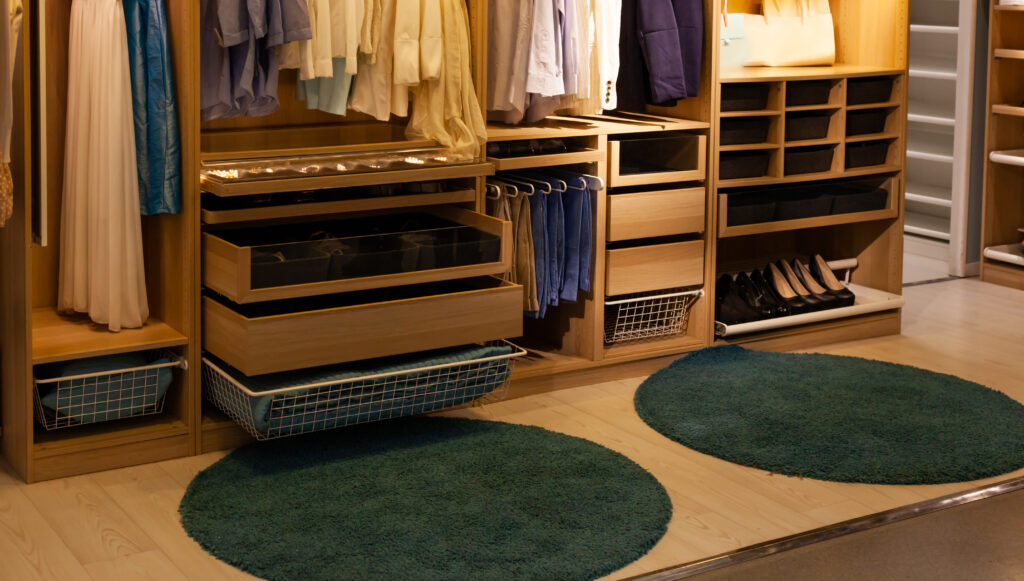
It’s no longer just about rectangles. Custom rug shapes, including circles, irregular edged rugs, or branded logos subtly embedded in tufted piles, are gaining popularity in commercial settings.
Custom shapes help define functions—such as reception zones or product islands—and can reflect brand identity through subtle cues like color blocking, texture zones, or even integrated patterns that mimic corporate logos.
d. Material Innovation & Sustainability
Consumers and designers alike now prioritize sustainability. Regulations in key markets (like the EU’s Green Deal) push commercial buyers to demand eco-conscious textile products with clear lifecycle disclosures.
This interest dovetails with innovations in tufted rug materials, such as:
- Recycled PET fibers that offer durability and vibrant color options.
- Wool blends for premium tactile quality and natural resilience.
- Biobased materials and low-VOC backing systems for improved indoor air quality.
Sustainable practices not only address environmental concerns but also reduce long-term maintenance costs—important when specifying rugs for large projects.
4. Textural and Craftsmanship Innovations
a. High-Low and Sculptural Pile Techniques
Texture is no longer a background afterthought. Rug design is increasingly about tactility and dimensional depth. Techniques like cut-and-loop and high-low sculpting create subtle three-dimensional surfaces that catch light and change appearance as people move through a space.
This is especially valuable in hospitality spaces, where tactile richness contributes to a feeling of luxury and comfort underfoot. In retail, variation in pile height can help visually differentiate zones or highlight curated displays.
b. Multi-Pile and Layered Textures
Beyond high-low surfaces, designers explore layered textures—combining plush zones with flat, dense areas. These multi-pile designs create visual contrast and sensory interest that can enhance lobby seating zones or upscale boutique fittings.
Pairing a sculptural rug with a flatter natural-fiber base (like jute or sisal) in layered styling also adds depth while offering functional differentiation (e.g., comfort where guests gather vs. durability where foot traffic is heavy).
c. Rug-on-Rug Practices
Another compelling trend is layering rugs—a tufted rug layered over a textured flat weave or natural fiber layer. This adds richness and definition to luxury hotel suites, executive offices, or flagship retail environments without sacrificing performance.
Layered rugs also allow design teams to zone spaces visually without installing permanent architectural elements.
5. Application Spotlight: Commercial Use Cases
Each commercial context has distinct needs. Below, we examine tailored approaches for tufted rugs in offices, retail, and hospitality.
Offices: Productive and Healthy Workplaces
In corporate environments, the right rug strategy can influence mood, acoustics, and circulation.
Key Considerations:
- Reception areas: Use bold, welcoming patterns to reinforce brand tone and create a strong first impression.
- Open-plan floors: Texture and careful color selection can help define clusters of desks or collaborative zones.
- Boardrooms: Work with refined, understated patterns and premium materials like wool to balance sophistication with comfort.
- Meeting pods and breakout areas: Layer small, sculptural tufted rugs to delineate spaces without physical partitions.
Designers also use tufted rugs to reduce acoustic reflections—helping minimize distraction in busy office layouts. Combined with other acoustic treatments like ceiling panels, rugs contribute to a calmer, healthier workplace.
Retail Spaces: Visual Merchandising and Brand Narrative
In retail, floors are more than functional—they are part of the merchandising canvas.
Why tufted rugs work in retail:
- They anchor key display areas.
- They provide visual contrast to hard flooring.
- They communicate brand identity through texture and color.
Trend data shows that textured and patterned rugs not only add aesthetic value but tie into experiential retail strategies where customers linger longer and connect more deeply with products.
For flagship stores and boutiques:
- Pattern coordination: Align rug motifs with seasonal themes or artwork.
- Color zoning: Use distinct rug colors to subtly guide customers to featured collections.
- Custom shapes & logos: Integrate brand signals without being overtly promotional.
Retail spaces often operate under heavy foot traffic, so choosing rug materials that combine softness with cleanability is paramount.
Hospitality: Comfort, Storytelling & Wayfinding
Hotels and restaurants thrive on atmosphere. Rugs serve functional and narrative roles—softening acoustics, creating intimacy, and guiding guests through spaces.
Common applications:
- Lobby areas: Large, sculptural tufted rugs anchor seating groups and invite guests to pause.
- Corridors: Durable, lower-profile tufted rugs help manage noise and add visual continuity throughout floors.
- Guest rooms: Layered rugs add warmth and comfort; plush textures invite relaxation.
- Event spaces: Dynamic abstract or organic rugs reflect the venue’s personality and help shape spatial experiences.
Well-crafted tufted rugs in hospitality can elevate the overall guest experience, making spaces feel warmly curated rather than impersonal or utilitarian.
6. Practical Considerations When Specifying Tufted Rugs
To maximize return on investment and design impact, consider the following when selecting tufted rugs for commercial environments:
a. Material & Performance Specs
- Fiber choices: Nylon and polyester for high traffic; wool blends for premium hospitality.
- Backing & slip resistance: Ensure appropriate backing for safety and longevity.
- Stain resistance: Prioritize stain-resistant fibers and easy-clean finishes.
b. Scale & Proportion
Size matters. Rugs should anchor zones without overwhelming them:
- In open offices, choose large rugs that define collaboration areas.
- In reception spaces, center a standout rug to frame seating.
c. Acoustics & Comfort
Balance visual design with functional needs. High-pile rugs feel luxurious but may trap more dust; low-pile rugs are easier to clean and better for heavy foot traffic.
d. Maintenance Planning
Establish a cleaning and maintenance schedule that aligns with commercial use. Regular care preserves design integrity and performance.
e. Collaborate With Design Teams
Work closely with architects and interior designers to ensure rug design complements lighting, furniture, and circulation.
7. Conclusion
In 2026 and beyond, tufted rugs are much more than floor coverings in commercial spaces—they are tools of design and experience. Whether in an office, a retail boutique, or a hospitality setting, the right rug can shape perception, support brand identity, and elevate functional performance.
Key trends to watch include:
- Nature-inspired palettes and dynamic color pairings.
- Organic, abstract patterns that feel artistic.
- Sculptural and textural innovation.
- Material sustainability and performance durability.
For brands like Valhak, understanding these trends enables the creation of collections that resonate with commercial buyers and designers alike, ultimately transforming spaces in meaningful and impactful ways.
8. Frequently Asked Questions (FAQs)
What makes tufted rugs ideal for commercial spaces?
Tufted rugs balance design versatility with durability and easy maintenance, making them well-suited to high-traffic offices, retail stores, and hotels.
Which materials are best for commercial tufted rugs?
Performance fibers like nylon and polyester are common for heavy traffic, while wool blends are preferred in premium hospitality settings.
How do tufted rugs improve acoustics?
Rugs help absorb and diffuse sound, reducing reverberation and echo—especially in open-plan office and large lobby areas.
Are custom shapes useful in commercial design?
Yes. Custom shapes define zones, highlight focal areas, and reinforce branding within a space.
What color trends should designers consider?
Earthy neutrals and dusty jewel tones are trending, offering both warmth and sophistication that suit modern commercial interiors.