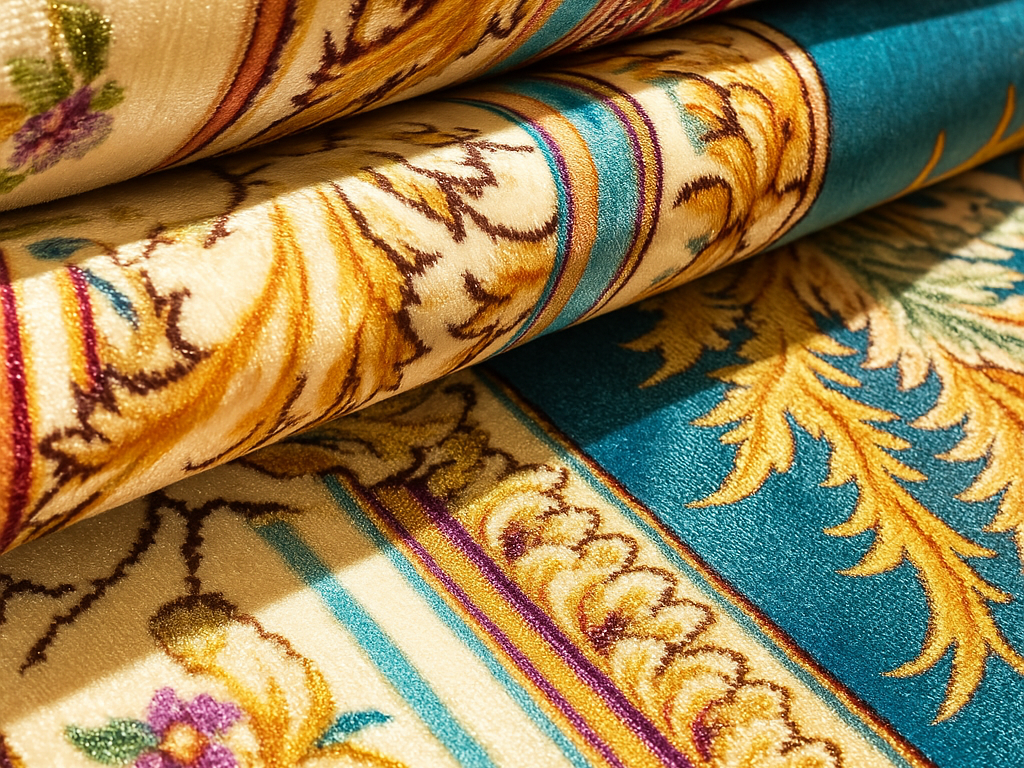
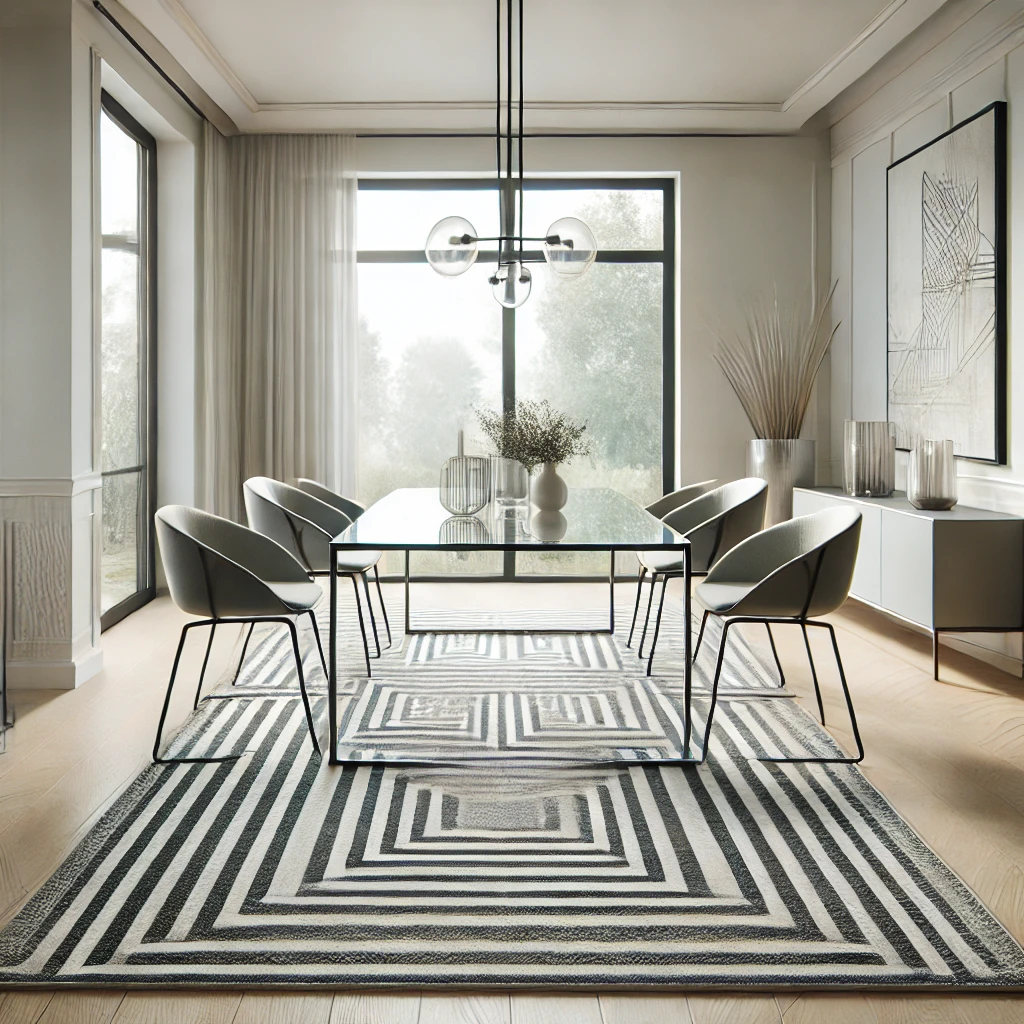
The construction of a rug—the method used to interlace its fibers—profoundly affects its look, feel, and durability. In general, a rug’s construction determines its texture and longevity. For example, hand-knotted rugs have individual knots tied by artisans on a loom, whereas flat-weave rugs interlace warp and weft threads without any pile.
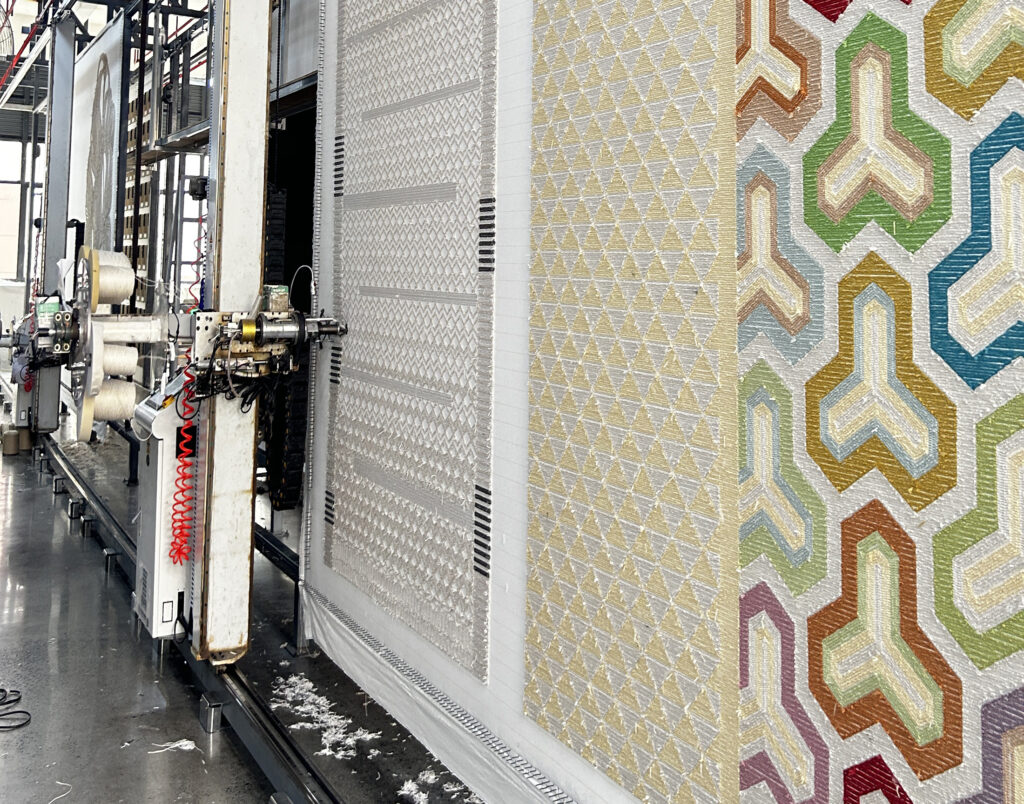
Understanding construction is key when choosing a rug for your home. Common construction methods include: hand-knotted, hand-tufted, hand-hooked, flat-woven, braided, and machine-made (power-loomed or machine-tufted) rugs. Each has distinct processes and characteristics, so let’s explore how they differ.
1. Hand-Knotted Rugs
Hand-knotted rugs are made by skilled weavers who tie thousands of individual knots by hand to form the rug’s pile. This is the most labor-intensive and traditional rug-making method. Because each knot is tied and cut manually, hand-knotted rugs can have incredibly intricate patterns and unique designs. No two hand-knotted rugs are exactly alike. The backside of a hand-knotted rug reveals the mirror image of the front design—there is no separate backing material. In fact, the fringes on a hand-knotted rug are the ends of the warp threads and form a structural part of the rug’s foundation.
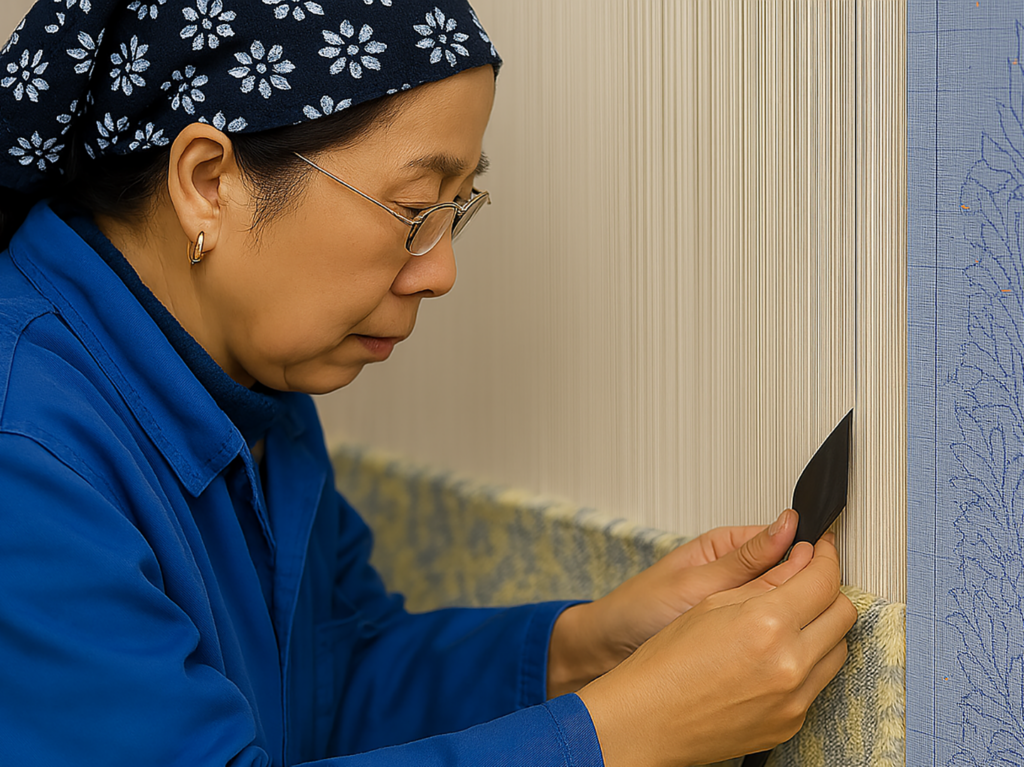
- Durability: Hand-knotted rugs are heirloom-quality. The tight knots and high-quality fibers (often wool or silk) make them extremely long-lasting, sometimes enduring for generations. Properly cared for, a hand-knotted rug can last well beyond 50–100 years.
- Cost: Because of the long, laborious production time (sometimes a year or more for a single rug) and artisanal skill involved, hand-knotted rugs are usually the most expensive type. They are considered valuable investments.
- Look and Feel: Hand-knotted piles tend to feel dense and luxurious underfoot. The designs can be highly detailed and the pile can be sheared to very low heights for a refined look. Any small irregularities in the pattern or weave are normal — they are a signature of the rug’s handmade quality.
In short, hand-knotted construction yields the highest quality and longest-lasting rugs. These rugs are best suited for formal areas like living rooms or dining rooms, where their fine detail and durability can be showcased.
2. Hand-Tufted Rugs

Hand-tufted rugs are created by using a hand-held tufting gun or similar tool to punch strands of yarn through a stretched canvas backing. In this process, the rugmaker traces a design on the canvas and then “tufts” loops of yarn through it. The loops may be left intact (loop pile) or sheared down for a soft, cut-pile surface. Unlike hand-knotted rugs, tufted rugs are not made on a loom, and the yarns are secured into the backing with a layer of latex.
- Ease and Cost: Hand-tufted rugs can be produced much faster and with less labor than hand-knotted rugs. This makes them relatively affordable. They allow for complex and curving patterns (since tufting isn’t constrained to a fixed grid) but without the high price of knotted rugs.
- Appearance: A quality hand-tufted rug can closely resemble a knotted rug in design, but subtle clues reveal its construction. For example, the back of a tufted rug will show a cotton canvas with glue or latex (not the design pattern). The fringe on a tufted rug, if any, is typically sewn or glued on afterwards for decoration.
- Performance: Tufted rugs tend to shed more than knotted rugs. The latex that holds the yarn can make them less flexible, and over time tufts may loosen or come out. On average, a hand-tufted wool rug can last around 10–20 years with proper care. They wear better than cheap machine-made rugs but won’t hold up as long as hand-knotted examples.
Key Points: Hand-tufted rugs are a cost-effective, stylish choice for many rooms (bedrooms, family rooms, etc.). They offer softness and a wide variety of designs, though they will show wear sooner and may need more frequent vacuuming due to shedding.
3. Hand-Hooked Rugs
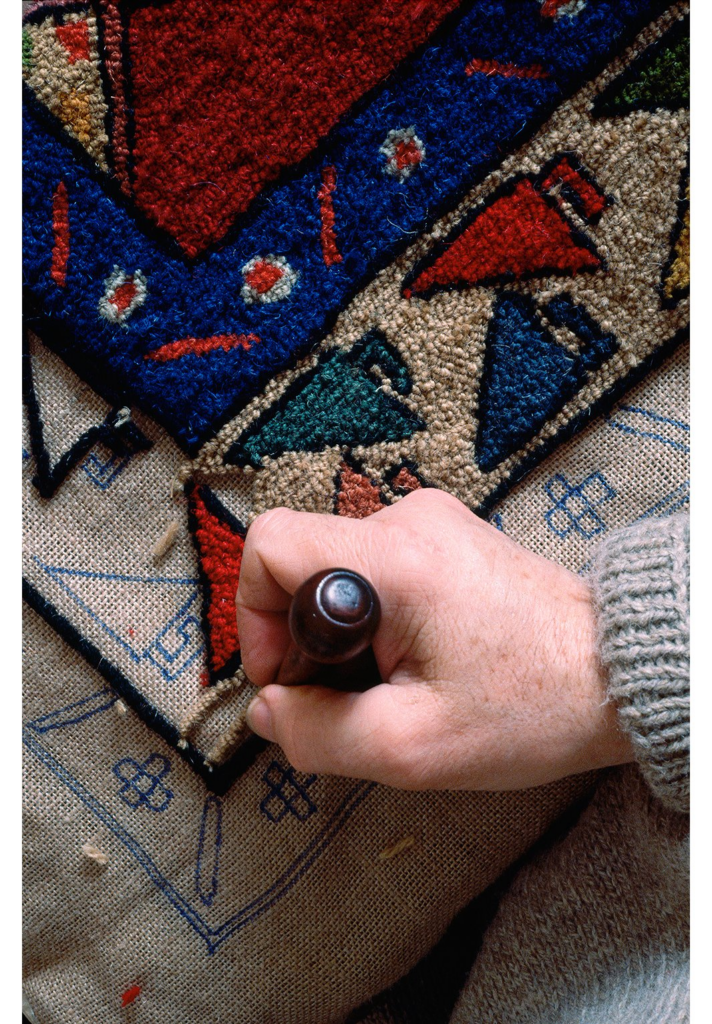
Hand-hooked rugs are created in a process similar to tufting, but with loops that remain visible on the surface. Using a hook-like needle, a craftsperson pulls strips of yarn or fabric through a sturdy base (usually burlap or a linen backing). Each loop is pulled up and left in place, creating a textured, looped pile. This technique was historically popular as a thrifty craft (often made from scrap wool), and it still produces a distinct, rustic look.
- Texture: Because the loops are left uncut, hooked rugs have a “knobby” or embossed texture. The pile can be fairly tall and thick. There are two main styles: fine-hooked rugs use narrow wool strips for detailed designs, while primitive hooked rugs use wider strips for a chunkier, more folk-art appearance.
- Design: Hooked rugs often feature bold geometric or scenic patterns. They are great for casual, homey decors (think cabins or country kitchens).
- Durability: Hand-hooked rugs are generally quite sturdy and heavy, similar to braided rugs in construction. However, if a loop or stitch is cut (for example by a pet or during cleaning), a row of loops can unravel. Proper backing and occasional repair help keep hooked rugs intact.
Hooked rugs differ from tufted rugs mainly in pile style: tufted rugs have a cut pile, whereas hooked rugs display their loops. Both are made by hand with simple tools, but hooked rugs maintain their looped texture. Like tufted rugs, hooked rugs are often less expensive than knotted rugs and can add a cozy, textured element to informal spaces.
4. Flat-Weave Rugs
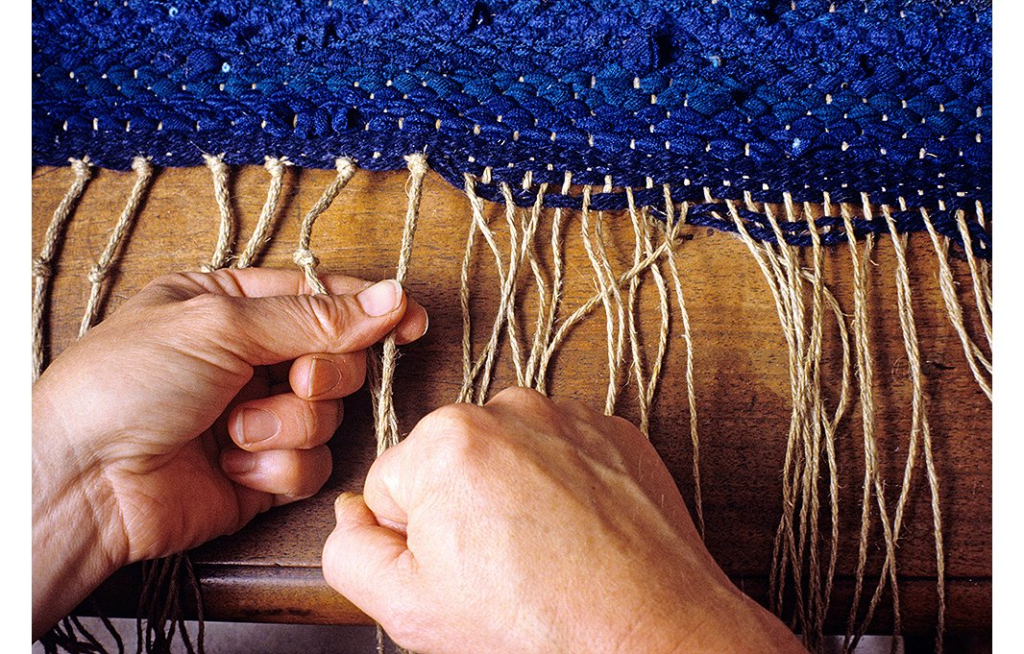
Flat-weave rugs (often called handwoven or kilim rugs) have no pile. Instead of knotting or punching, flat-weaves are made by interlacing warp (lengthwise) and weft (crosswise) yarns on a loom. The weaving can be done by hand or machine, but traditional flatweaves (like kilims and dhurries) are handwoven. Because there is no loose pile, flatweave rugs lie thin and flat.
- Reversibility: Flat-weave rugs are typically reversible—the pattern appears on both sides. This is useful because it doubles the life of the rug (you can flip it if one side wears) and makes cleaning a bit easier.
- Materials and Patterns: Most flatweaves are wool (often with cotton warps), though cotton, jute, or synthetic blends are also used. The designs tend to be geometric or tribal, lending a casual, global-inspired look.
- Practical Use: These rugs are celebrated for durability and easy maintenance. Without pile, they don’t trap as much dirt or shed fibers. They are ideal for high-traffic areas like kitchens, hallways, or children’s playrooms. In fact, flatweave rugs have “no pile, making them easy to clean and ideal for high-traffic areas”.
Flatweaves are generally more affordable than knotted or thick tufted rugs. They are thinner (so they often require a rug pad to stay in place) and tend to lie evenly on the floor without bunching. If you need a lightweight, easy-to-clean rug for a busy area, a flatweave style (kilim or dhurrie) is a smart choice.
5. Braided Rugs
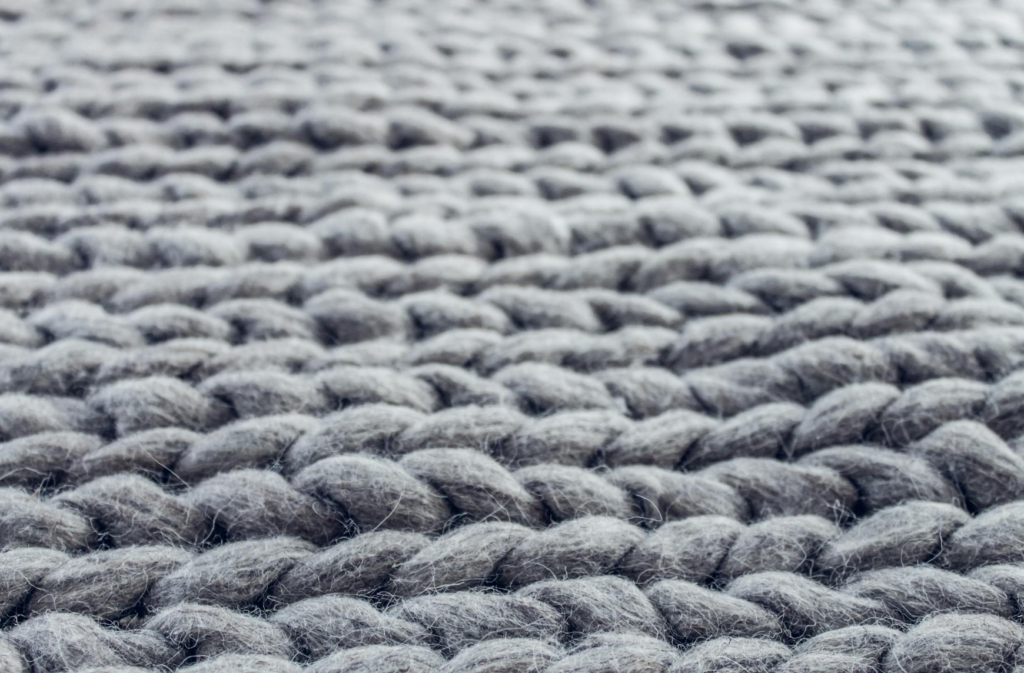
Braided rugs hark back to a rustic, colonial style. They are made by braiding long strips of fabric (cloth or yarn) and sewing the braided coils together in a spiral or serpentine shape. Early American braided rugs often used wool or cotton strips from clothing and were typically oval or round, though modern braided rugs can be rectangular or octagonal.
- Construction: Cloth-braided rugs (using wool or cotton strips) are sometimes custom and very durable; they’re made by sewing together cloth strips folded to hide raw edges. Yarn-braided rugs (more common commercially) have a tubular core wrapped with colored yarn and then braided. In either case, the braided loops are stitched side-by-side to form the rug.
- Reversible and Durable: Like flatweaves, braided rugs are often reversible. They tend to be thick and resilient underfoot, making them good for casual, cozy settings (cottages, country kitchens, playrooms). The pros of braided rugs include their durability, reversibility, and the warmth of their texture. However, if the stitching between braids is cut or comes loose (for example, by a pet’s claw or vigorous vacuuming), the braid can unravel, which is a con.
- Style: Braided rugs often feature multiple colors or variegated yarns, giving a lively, homey look. They complement rustic or Americana decor.
In summary, braided rugs are handmade and sturdy, much like hooked rugs, but with a plaited texture instead of loops. They are generally affordable (especially mass-produced yarn-braided ones) and lend a casual, cozy feel to a room.
6. Machine-Made Rugs
Machine-made rugs are produced on power looms or with automated tufting machines. These are the mass-market, factory-made rugs that dominate lower price ranges. There are two main categories:
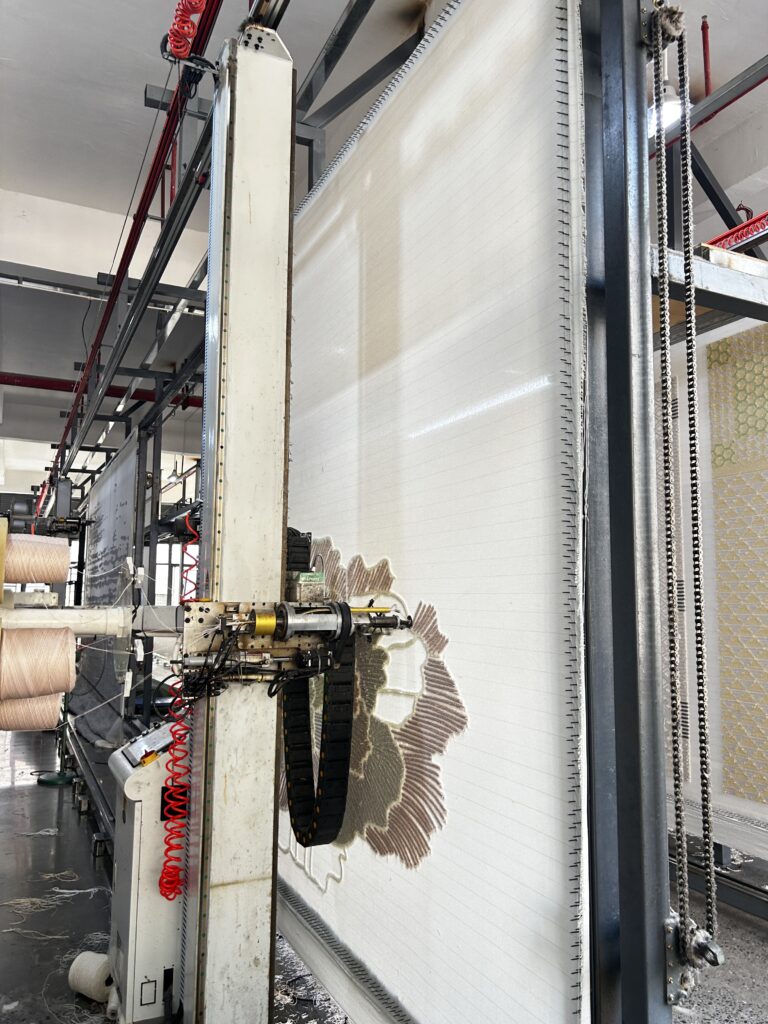
- Power-Loomed (Machine-Woven): These rugs are woven on industrial looms driven by computers. They can mimic intricate designs, but they are made much faster (in hours or days) and with less labor than a hand-knotted rug. To keep the looms running smoothly, manufacturers often use synthetic fibers (polypropylene, nylon, polyester) blended with wool. As a result, machine-woven rugs are generally low-cost rugs. The quality and lifespan of a power-loomed rug depends heavily on material quality; cheaper synthetics mean the rug will wear out relatively quickly. Printed machine-woven rugs (a subset) simply have a rug design printed onto a woven base, which is very cheap to produce but not very durable.
- Machine-Tufted: Similar to hand-tufted but automated, a machine-tufted rug uses a tufting gun controlled by machinery. A base fabric is stretched on a frame, yarn is inserted, then a backing is applied with adhesive. These rugs are produced extremely quickly and economically. They may look comparable to hand-tufted rugs at first glance, but they lack the longevity. Typically made from synthetic yarns, machine-tufted rugs often only last a few years before showing wear.
Compared to handmade rugs, machine-made ones have perfectly straight edges and perfectly symmetrical patterns. The pile is uniform and often cut to a uniform height. Because they are so affordable, machine-made rugs are good for temporary use, very high-traffic areas, or situations where spills and stains are likely (such as children’s rooms or outdoor patios). In essence, machine-made rugs sacrifice longevity and uniqueness for affordability and fast production.
7. Conclusion
Different rug construction methods yield very different products. Hand-knotted rugs are the pinnacle of craftsmanship — long-lasting heirloom pieces that reflect hours of skilled labor. Hand-tufted and hand-hooked rugs offer handmade charm at lower cost, but they wear faster and shed more than knotted rugs. Flat-weave and braided rugs are practical choices for busy, casual spaces: they are sturdy, reversible, and easy to clean. On the other hand, machine-made rugs are the most budget-friendly, but their synthetic construction means they won’t last as long.
By understanding these differences—how each rug is built and what that means for its appearance, maintenance and lifespan—you can choose the right type for your home. In every case, proper care (like using a rug pad and regular cleaning) will help your rug look and perform its best.
8. Frequently Asked Questions
Q: Which type of rug construction is most durable?
A: Hand-knotted rugs are generally the most durable. Their individually tied knots and high-quality fibers make them last for decades or even centuries. They often become family heirlooms with proper care.
Q: What is the most budget-friendly type of rug?
A: Hand-tufted and machine-made rugs tend to be the most affordable options. They require less labor to produce, so they sell for lower prices. Machine-made synthetic rugs are typically the least expensive of all.
Q: Are flat-weave rugs good for high-traffic areas?
A: Yes. Flat-weave rugs have no pile and lie flat on the floor, making them easy to clean and ideal for busy spaces. Many flatweaves are reversible, which also helps them last longer under heavy use.
Q: How can I tell if a rug is hand-knotted or machine-made?
A: One quick test is to look at the back of the rug. A hand-knotted rug will show the pattern clearly on the back and will have visible knots; its edges may be slightly irregular. A machine-made rug usually has a uniform backing and perfectly straight, consistent edges, with a fuzzy or pixelated pattern on the back.
Q: Do hand-tufted rugs shed or unravel over time?
A: Hand-tufted rugs do tend to shed more than knotted rugs. The yarn is held in place with latex glue on a cotton backing, so it’s not as secure as a knotted fiber. Over the first few months, frequent vacuuming is common. They generally do not “unravel” like a hooked rug, but the tufts can work loose if pulled hard.