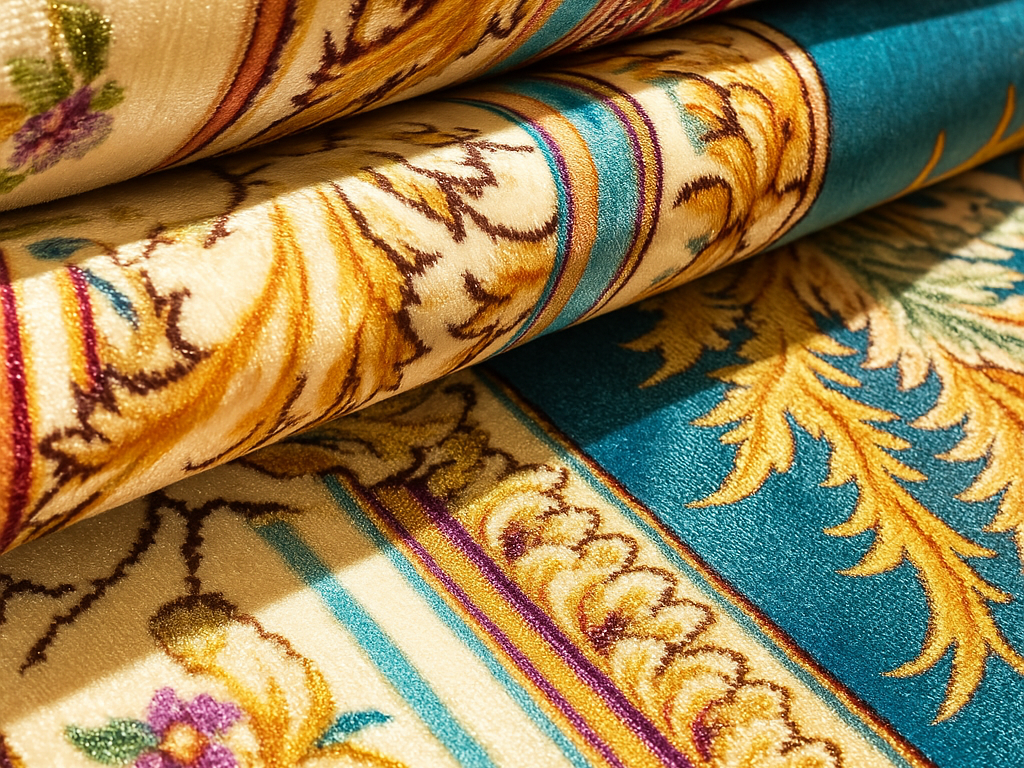
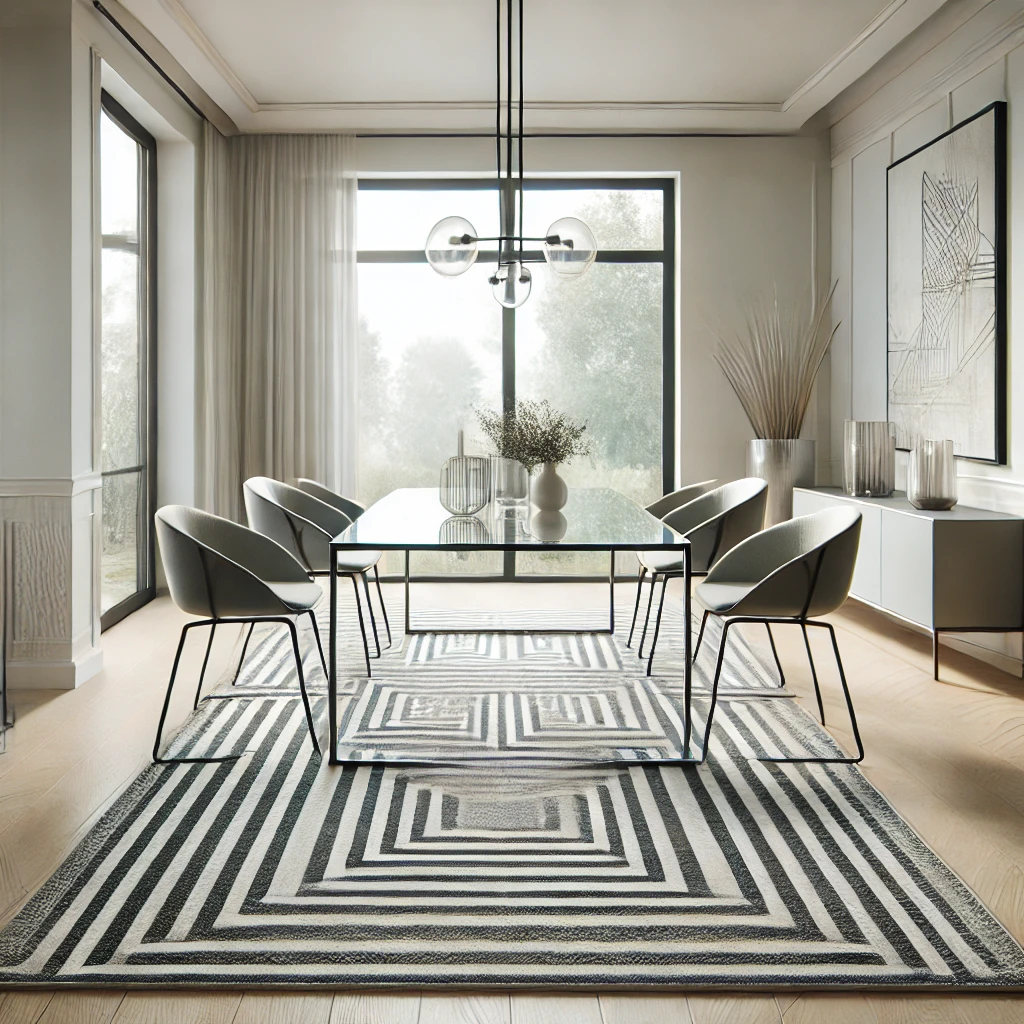
Tufted rugs offer more than just a splash of style – they deliver practical comfort in multiple ways. In rooms with bare floors, sound tends to bounce and echo, making spaces feel noisy and cold. A tufted rug, with its thick pile and dense fibers, acts like a natural sound absorber and insulator. In fact, one interior design expert notes that “a hand-tufted wool rug… adds warmth, sound-dampening, and a cozy feel underfoot.”. By trapping sound waves and heat, tufted rugs help create quieter, cozier rooms. In the sections below, we’ll explore how these rugs improve a home’s acoustics and warmth, backed by insights from design sources and industry studies.
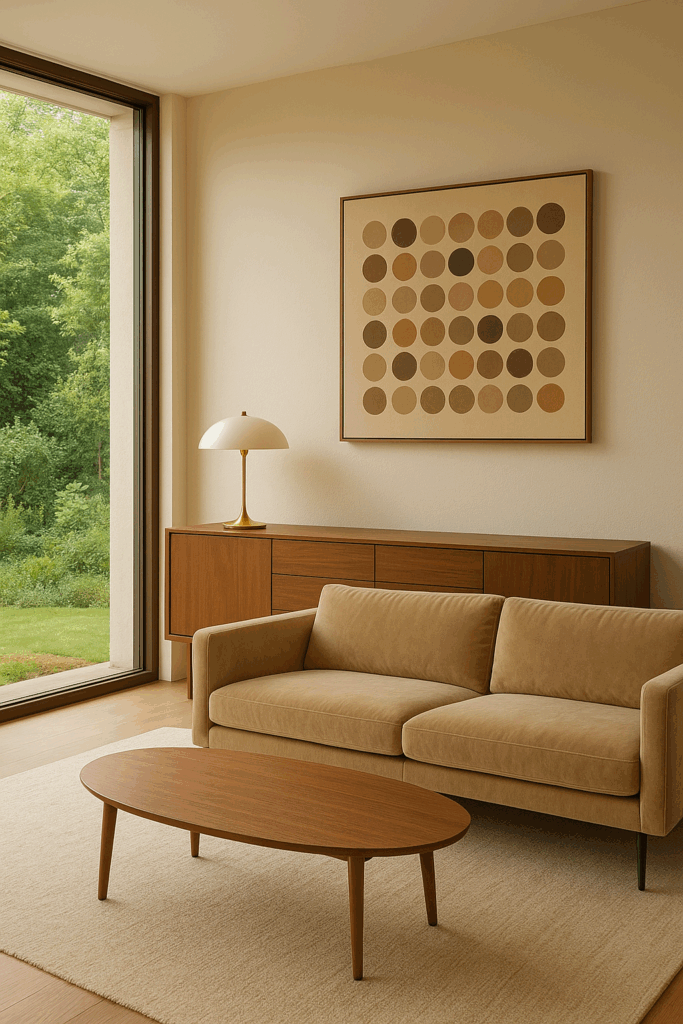
1. How Tufted Rugs Improve Room Acoustics
Hard surfaces like hardwood or tile reflect sound waves, causing unwanted echoes and noise. A soft, fibrous surface such as a tufted rugdisrupts and absorbs those echoes. As one expert explains, when sound waves hit a rug’s “fibrous, porous” surface, they are partially absorbed instead of bouncing back. In practice, this means a room with a plush rug will sound noticeably quieter.
- Absorbs Airborne Sound: Tufted rugs soak up noises like conversation, music, and TV sound, preventing them from ricocheting around the room.
- Cushions Impact Noise: Thick rugs soften footfalls, moving chairs, and dropping objects by cushioning impacts before they hit the floor.
Together, these effects make homework areas, home offices, and media rooms far more serene. Rather than harsh echoes, you get a muted, “warm, full sound,” ideal for clear phone calls or music recording. In other words, adding a tufted rug transforms a room’s acoustics from tinny and reverberant to soft and controlled.
Tufted rugs don’t block sound completely (they’re not full soundproofing). Instead, they excel at sound absorption. Imagine a hard-floored room that sounds hollow and echoey, then lay down a lush wool rug: the difference is immediate. As one design guide puts it, rugs absorb what echo is in the room rather than letting it bounce, creating a “sound-absorbing” environment. In practice, that means voices and music carry less, and even footsteps are gentler. It is especially useful in common areas, offices, and multi-level homes, where noise control makes spaces feel more peaceful.
Dense, high-quality materials boost the effect. Wool tufted rugs are often the gold standard for acoustics. Natural wool fibers are springy and textured, and a hand-crafted wool rug can trap sound waves very effectively. (In fact, studies show that hand-made wool rugs, with their tight pile, absorb more noise than thin flatweaves or nylon carpets.) Even synthetic tufted rugs help by diffusing sound, but natural fibers like wool give extra benefit. Many designers recommend placing a tufted wool rug in living rooms or studios, where people gather or record, because it “absorbs sound (good for conference calls)” and makes the room feel calm and inviting.
In short, by adding a tufted rug you get a quieter, cozier room. The rug’s thick pile and dense backing turn noisy spaces into sound-friendly environments. As one rug brand notes, tufted rugs “reduce noise and also provide physical warmth and softness, making your space more inviting”. This dual comfort – less echo and a soft floor – is why many home offices, living rooms, and playrooms welcome a plush rug underfoot.
2. Key Acoustic Benefits of Tufted Rugs
- Reduced Echo: Tufted rugs break up sound waves on hard floors.
- Improved Focus: Less background noise means you can work or concentrate better.
- Clearer Conversations: With echoes dampened, voices sound clearer and more natural.
- Better Audio Quality: Musicians and broadcasters hear a “warm, full sound” rather than tinny echoes.
- Soften Footsteps:High-pile rugs cushion footsteps and chair scrapes, making traffic noise nearly inaudible
3. How Tufted Rugs Provide Warmth and Insulation
Besides improving sound, tufted rugs are natural insulators. Every rug traps a layer of air between the floor and your feet. This air pocket acts like thermal insulation, slowing heat transfer from your home’s heating to the cold floor. In cold-weather months, this can make a big difference in comfort. A living room with a thick rug will feel noticeably warmer than one with bare tile, even if the thermostat is the same.
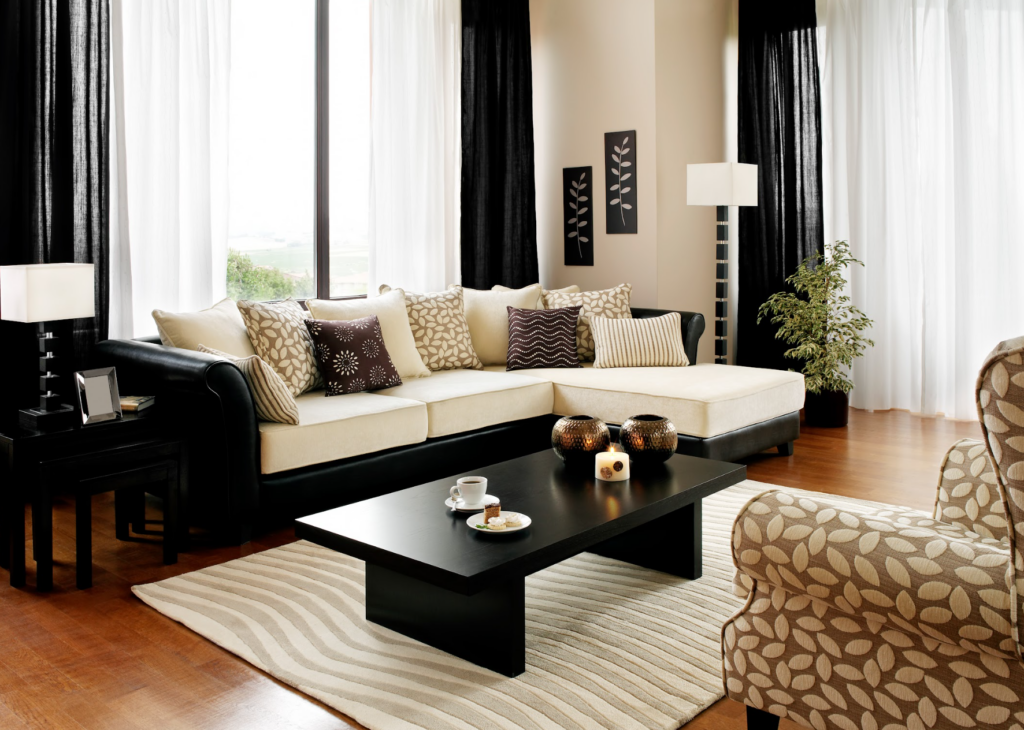
- Keeps Heat In: As one home-goods guide puts it, rugs “keep heat in by blocking heat from leaving through the floor”, making rooms warmer and more comfortable.
- Air Insulation: The space beneath a rug traps warm air, similar to how wall insulation works. Because of this gap, a rug “slows down the flow of heat” out of the room.
- Barrier Against Cold: Rugs form a barrier between you and chilly floors. They literally “trap warmth, reducing drafts”. Think of stepping out of bed onto a soft, wool rug in winter – your feet feel instantly warmer.
- Warm Underfoot Feel: In a room anchored by a thick rug, even walking barefoot feels cozy. This tactile warmth makes a space feel more inviting.
Wool tufted rugs are especially effective at keeping things toasty. Wool fibers have natural crimps and tiny air pockets that trap heat; as a result, wool rugs are “widely regarded as the warmest type of rug”. The lanolin in wool also helps regulate temperature and moisture, so a wool rug stays soft and insulating even in damp conditions. Even with heavy foot traffic, wool maintains its loft, so it continues to insulate year after year. In fact, designers note that the warmest rugs are usually “thick, hand-tufted wool rugs with a dense pile”, often paired with a quality rug pad to maximize insulation.
The practical benefit is energy savings too. If less heat escapes through your floor, your heating system doesn’t have to work as hard to keep the room at a comfortable temperature. This means lower energy bills. In older homes or those with tile floors, an insulated rug can be transformative – one decor shop even describes the best rugs as “the unsung heroes of cold floors,” saying they can turn “icy mornings into something almost indulgent.”.
Layering enhances this effect. A thick rug pad under a tufted carpet adds extra cushioning and insulation. You can also layer rugs (for example, a wool rug over a thinner natural-fiber rug) to lock in more warmth. As a result, even rooms with radiant heating or wood floors gain a warmer feeling when big area rugs or runners are used in key zones like living rooms and hallways.
4. Key Warmth Benefits of Tufted Rugs
- Thermal Insulation: A dense tufted rug forms a warm buffer on cold floors.
- Heat Retention: Thick wool fibers “trap air” and resist compression, maintaining their loft (and heat) over time.
- Cozy Atmosphere: The soft surface keeps feet warm, making spaces feel snug and inviting.
- Energy Savings: By reducing heat loss, rugs can slightly lower heating needs in the winter.
- Protects Against Drafts: On tile or hardwood, rugs block chilly drafts near the floor.
5. Materials and Design for Maximum Effect
Not all tufted rugs perform equally in acoustics and insulation. Material and pile height matter. Natural fibers and deep piles work best.
- Wool vs. Synthetics: Wool is top-tier. Its natural crimp traps sound and heat. Synthetic materials (like nylon or polypropylene) are durable and stain-resistant but generally insulate and absorb sound less effectively than wool. A wool rug, or a wool blend, will hold warmth and muffle noise better than a thin polyester carpet.
- Pile Height: Taller, denser piles absorb more noise and trap more air. A plush, high-pile tufted rug covers more floor surface and provides a thicker cushion. Shag and high-pile designs are warmest, especially under bare feet.
- Backing and Pad: The backing of a tufted rug is usually latex or cloth. To boost performance, add a rug pad underneath. A pad grips the floor, adds loft, and closes gaps where air (and heat) can escape. Many rug experts suggest using a pad to enhance both comfort and insulation.
- Design & Placement: Wide, room-size rugs cover more area and will yield greater overall dampening than a small mat. Also, covering surfaces where echoes are worst (bare walls, floors) helps the most. Placing a rug under a sofa or table doesn’t just look nice – it helps absorb noise bouncing off those hard surfaces.
For inspiration, Valhak’s own design pages highlight the visual and tactile qualities of tufted rugs. Our Custom Tufted Rugs gallery notes how each rug “adds a soft touch underfoot, turning living rooms into cozy retreats” and invites customers to “weave warmth into your home’s story”. In short, both in their feel and their function, tufted rugs are built to enhance comfort on multiple levels.
6. Where to Use Tufted Rugs
Tufted rugs fit naturally in many rooms:
- Living Room: A large, plush rug under the sofa and coffee table softens TV and conversation noise. It also makes the whole seating area feel warmer and more inviting. As Valhak points out, in family rooms and living rooms a hand-tufted wool rug adds much-needed “warmth, sound-dampening, and a cozy feel underfoot.”. This is perfect for spaces where people gather and where hard floors can make sound carry.
- Bedroom: Bedrooms tend to have lower foot traffic and a focus on comfort. A tufted rug here will stop cold tile or wood from making morning wake-up unpleasant. Imagine stepping out of bed onto a soft wool rug. The extra warmth can make a big difference. And because bedrooms are quieter, a rug here is all about comfort – allowing you to use the plushest styles (even delicate viscose or shag).
- Home Office or Study: In a home office, a rug will absorb typing, turning chair wheels, and outside noise, making calls and conferences clearer. The Valhak site even notes that placing a rug here “will absorb sound (good for conference calls) and give a professional yet comfortable vibe.”. It also adds warmth on chilly mornings or in air-conditioned summer.
- Children’s Rooms: Tufted rugs in playrooms or nurseries create a soft surface for kids and reduce the sharp noise of toys on floor. They also bring some insulation, making floor-play cozier.
- Hallways and Entryways: Runners or large rugs in corridors break up the long echo path, and give feet a warm path from one room to another. Layering a wool runner on tile is a great way to stop drafts in frequently-used walkways.
- Any Chilly Area: Homes with radiant heat or older homes with cold floors especially benefit. Even if you have underfloor heating, a rug adds a sense of warmth (because the first thing you feel is the carpet, not the hot tile).
Wherever you place them, just remember tufted rugs do best away from moisture and sun (to protect the fibers) and that a good pad underneath will maximize the acoustic and thermal benefits.
7. Caring for Your Tufted Rug
Proper maintenance keeps a tufted rug looking great and performing well. Here are some essentials:
- Vacuum Regularly: Use a vacuum without a fast-rotating beater bar (a suction-only mode) to gently lift dust and prevent excess shedding. Regular vacuuming “helps manage shedding” in a new rug and keeps fibers fresh.
- Blot Spills Immediately: If something is dropped or spilled, blot (don’t rub) it up right away with a clean cloth. Quick action prevents stains from setting into the fibers.
- Rotate for Even Wear: Every few months, rotate your rug 180° so that sunlight and foot traffic wear the rug evenly. This keeps the pile from flattening in just one area.
- Professional Cleaning: For deep cleaning or stubborn stains, hire a professional rug cleaner who knows tufted rugs. A thorough cleaning every couple of years can restore loft and color.
- Avoid Moisture: Keep the rug dry. Tufted rugs usually have a latex or cloth backing – excess water can weaken the glue. In particular, avoid bathrooms or damp basements. As one source warns, high moisture is not suitable since “adhesive backings can degrade.”.
- Use a Rug Pad: A quality pad under the rug prevents slipping and cushions the fibers from wear. It also adds an extra layer of insulation. Pads can make any rug last longer while enhancing the cozy, warm feeling underfoot.
With simple care like this, your tufted rug will continue to insulate and quiet your home for years to come. Valhak’s maintenance guide, for example, advises exactly these steps – vacuum gently, blot spills, and clean professionally when needed – to keep a wool rug in top condition.
8. Conclusion
Tufted rugs do double duty: they turn hard floors into quiet, warm sanctuaries. By absorbing echoes and trapping heat, a quality rug transforms a room’s acoustics and temperature. In a living room or home office, a plush wool rug silences footsteps and softens voices. In a bedroom or hallway, the same rug locks in heat so your feet feel toasty. These benefits come in addition to the rug’s beauty and softness.
9. FAQs
Q:Do tufted rugs really make a room quieter?
A: Yes. The thick pile of a tufted rug absorbs sound waves, reducing echo. Studies show that rugs soak up airborne noise and cushion impact sounds, so rooms with rugs sound noticeably quieter.
Q:How do tufted rugs keep my home warm?
A: Tufted rugs trap heat by blocking it from escaping through the floor. The air gap and dense fibers form an insulating layer, making floors “warmer to the touch” and the room cozier.
Q:What material is best for a warm, sound-absorbing tufted rug?
A: Wool. Wool fibers naturally insulate and absorb sound better than synthetics. A wool tufted rug’s crimped fibers hold warm air and muffle noise. (Cotton is okay too; avoid very thin synthetic rugs if warmth is a priority.)
Q:Should I use a rug pad under my tufted rug?
A: Yes. A pad adds cushion and protects the rug. It also creates an extra barrier against cold floors, boosting insulation and ensuring the rug stays firmly in place.
Q:How should I clean and care for a tufted rug?
A: Vacuum it regularly using suction only (no fast beater bar) to control shedding. Blot any spills immediately with a clean cloth. For deep cleaning or tough stains, professional rug cleaners are recommended. In short: gentle vacuuming and quick spill response will keep the rug looking and performing its best.