When it comes to designing a child’s room, every choice matters — from colors and lighting to furniture and soft furnishings. Among all of these, the rug often becomes the center of comfort, play, and safety. Tufted rugs are an increasingly popular choice in children’s rooms, and it’s not hard to see why. They combine softness, design versatility, and surprisingly resilient construction — but like any home décor item, they come with trade-offs. In this article, we’ll explore in detail how tufted rugs can serve as a fun, safe, and durable foundation in kids’ rooms, drawing on expert insight, consumer data, and best practices.
1. Why Choose a Tufted Rug for a Child’s Room?
Design Versatility & Fun Patterns
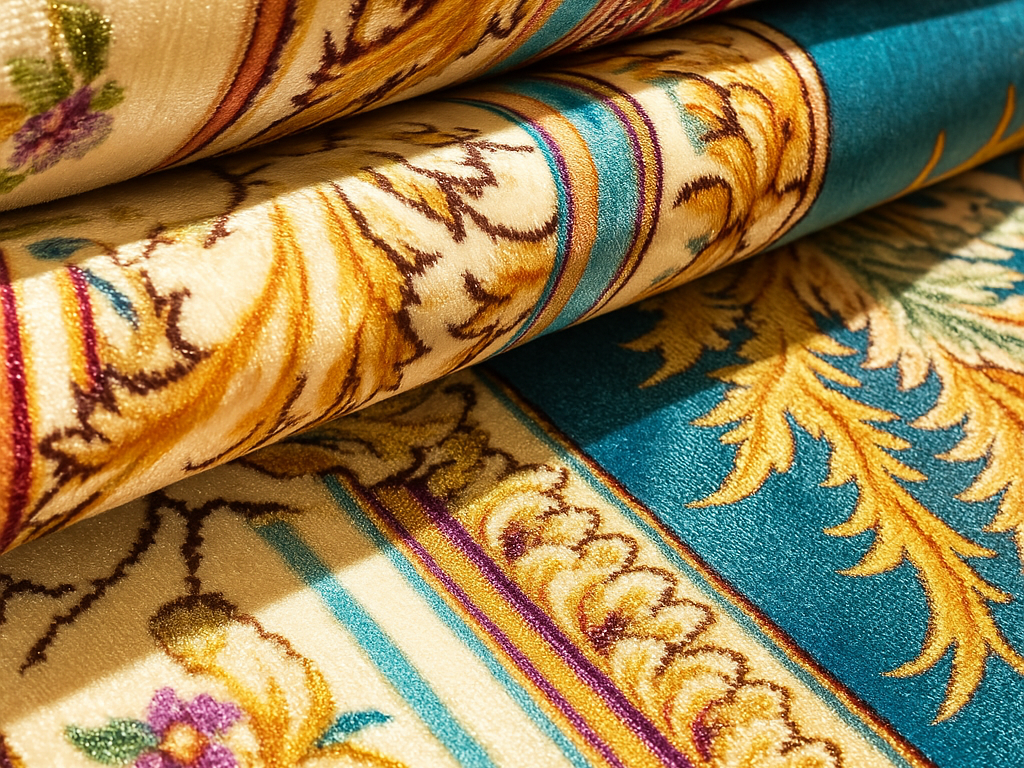
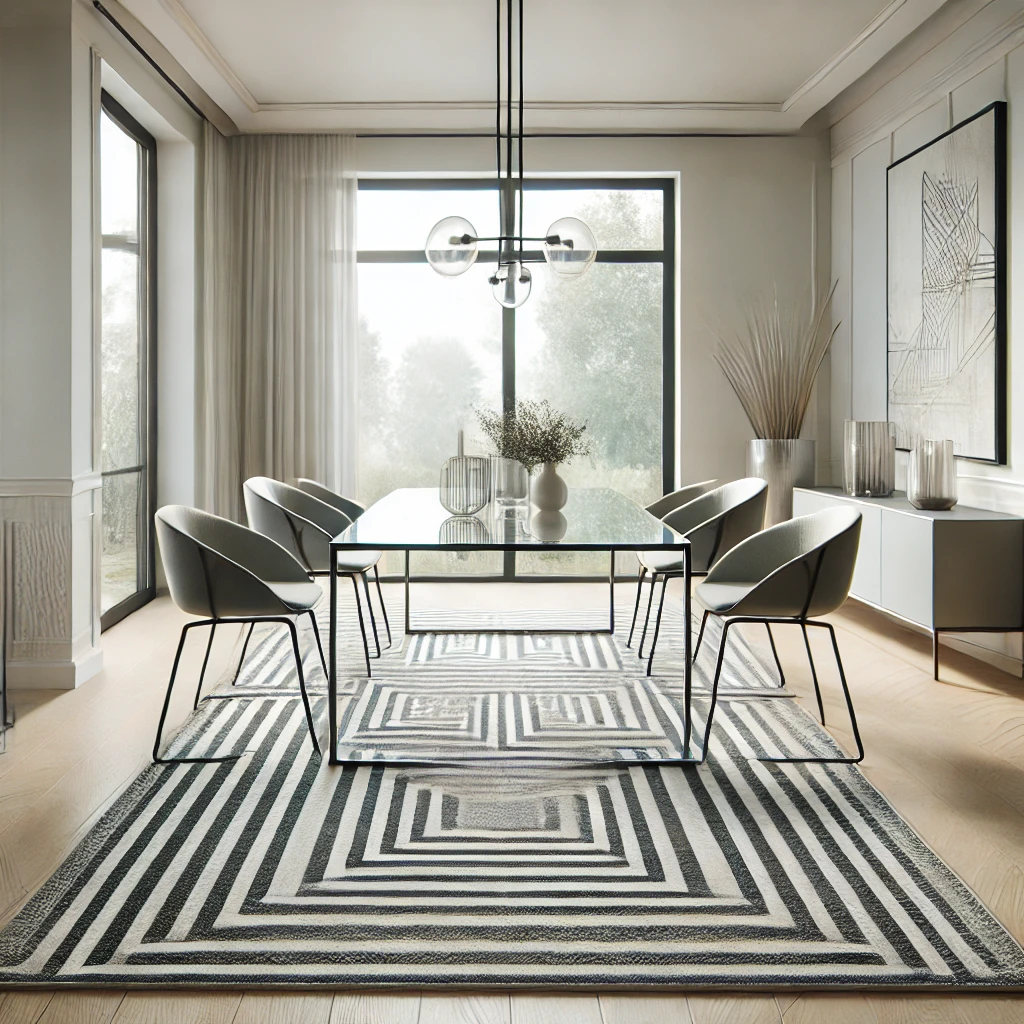
One of the biggest strengths of tufted rugs is their incredible design flexibility. Because of the way tufting works — punching yarn through a base fabric — tufted rugs can showcase a wide variety of patterns, motifs, and textures that are ideal for children’s rooms. From whimsical cartoons and geometric shapes to more abstract or nature-inspired themes, tufted rugs give designers and parents a broad palette to play with.
Kids’ tastes change fast. What appeals to a toddler may feel dated as they grow older — but tufted rugs make it easier to keep up with their evolving style. Because they’re relatively quick and affordable to produce (compared with hand-knotted rugs), parents can more feasibly change the look of the room over time.
Moreover, tufted rugs can be made cut-pile, loop-pile, or mixed styles (cut-and-loop), which means you can get playful textures that encourage tactile exploration.
Comfort & Safety Underfoot
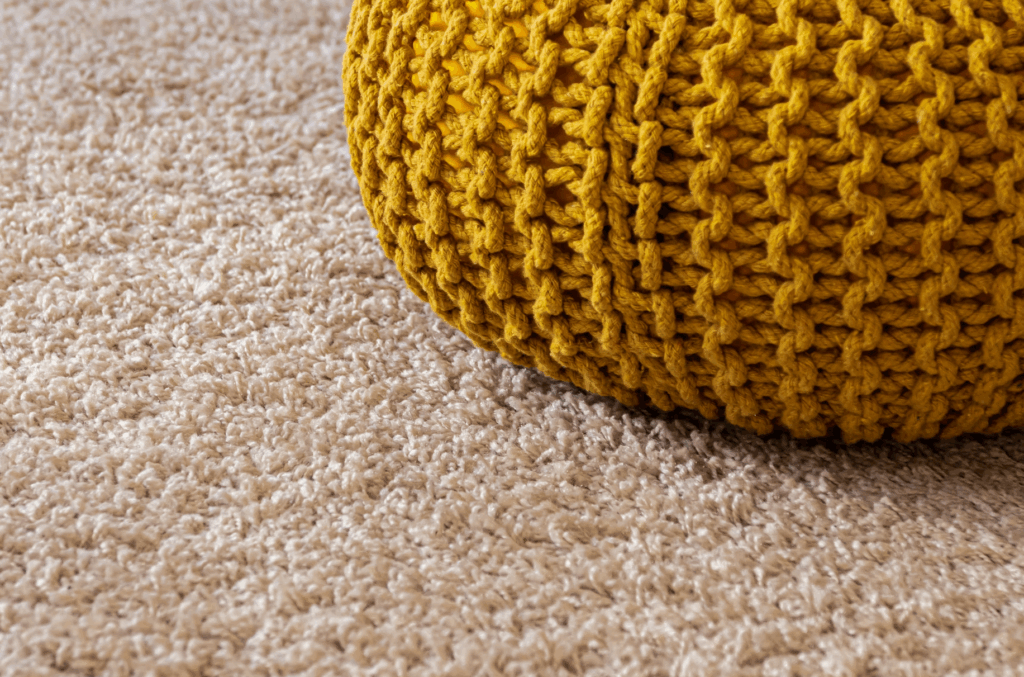
For a child’s playroom or bedroom, comfort underfoot is crucial. Tufted rugs — especially those made with plush cut-pile — offer a soft, cushiony surface, making them ideal for play, crawling, or simply sitting. That softness can also act as a minor shock absorber for small falls.
Beyond physical comfort, tufted rugs can contribute to noise reduction: the density of pile helps absorb sound, muffling footsteps, toys dropping, or other daily activity.
Additionally, if you choose tufted rugs with natural fibers like wool, there are built-in safety and health benefits. Wool is naturally flame-resistant and has good stain resistance, which makes it a smart choice for spaces frequented by children.
Affordability and Accessibility
Compared to hand-knotted rugs, tufted rugs are more affordable — a key consideration for young families or anyone designing multiple children’s spaces. The tufting process is less labor-intensive and more scalable, which keeps costs down.
Because tufted rugs can be produced relatively quickly, popular designs or custom patterns can be restocked more easily when a room’s decor needs refreshing.
2. Durability: Can Tufted Rugs Hold Up to Kids?
When evaluating any rug for a child’s room, durability is a top concern. The good news? Tufted rugs, when made well and cared for properly, can be surprisingly robust.

What Makes a Tufted Rug Durable
Durability in tufted rugs depends on several key factors, and understanding these will help you make a smart purchase. According to Valhak’s own durability guide, there are four critical pillars: material composition, construction quality, backing integrity, and maintenance.
Material
- Wool: This remains a gold standard. Wool has strong resilience: it naturally springs back after compression, resists stains, and maintains color well.
- Synthetics (e.g., polypropylene, nylon, polyester): More affordable and easy to clean, but they may flatten faster and, over time, shed microplastics if overly washed.
- Blends: These mix natural and synthetic fibers, trying to combine the best of both worlds, but their longevity may not match high-grade wool.
Construction Quality
- Tufting Density: High-density tufted rugs (i.e., a lot of yarn packed per unit area) are more robust and wear better than loosely tufted ones.
- Pile Height: Lower pile height often means better durability in busy areas (or in a kid’s room where toys, chairs, and active play could flatten or stress the pile).
- Backing Material & Adhesive: The glue (often latex) that holds tufts in place is a critical factor. Good-quality latex, combined with a sturdy secondary backing, helps maintain structure. But poor adhesives can degrade, especially in humid conditions or under stress.
- Edge Finishing: Double-stitched or serged edges help prevent fraying — essential when kids pull at rug corners or drag toys over them.
Maintenance / Usage
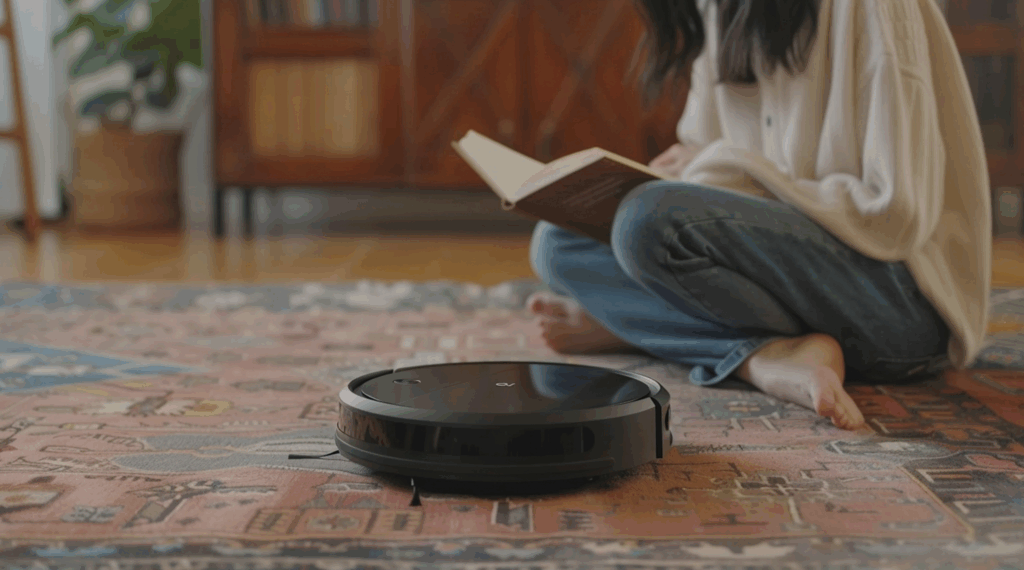
- Vacuuming is important but should be done carefully; many experts recommend suction-only vacuums (no rotating brushes) so as not to pull fibers.
- Spills should be blotted (not rubbed), and cleaned with gentle detergent. Over-wetting is dangerous — too much moisture can degrade the adhesive.
- Deep cleaning: Professional cleaning every 12–18 months is often recommended for natural fiber tufted rugs.
- Rotating the rug every 6 months helps distribute wear evenly.
Limitations and Risks for Children’s Use
While tufted rugs have many advantages, there are real limitations — and these are especially relevant in a child’s room.
- Adhesive Weakness: Because the tufts are held in place by glue, the lifespan of a tufted rug may only be as long as the adhesive’s integrity. Over time — particularly under high activity — the glue can weaken, causing shedding or tuft loss.
- Shedding: New tufted rugs (especially wool ones) often shed in the first few months. Frequent vacuuming helps, but parents should expect some fluff at first.
- Cleaning Challenges: Deep washing can damage latex backings. For households with spills (think juice, snacks, or baby accidents), this can be a drawback. Some low-quality tufted rugs may even off-gas from poor adhesives.
- Not Ideal for Humid Spaces: In damp or humid rooms, latex coatings may degrade, delaminate, or even mold.
3. Safety Considerations
When placing a rug in a child’s room, safety goes beyond softness. Here’s a breakdown of safety-relevant factors for tufted rugs.
Material Safety
- Choose tufted rugs made with low-VOC adhesives (volatile organic compounds). These reduce off-gassing and are safer for indoor air quality.
- Look for certifications like OEKO-TEX Standard 100 or Green Label Plus, which suggest that the rug’s fibers and backing meet stringent health and environmental safety standards.
- Natural fibers (like wool) are often less chemically treated and more breathable; synthetics may contain or off-gas more harmful substances if low-quality.
Slip Resistance
- Because tufted rugs are typically lightweight, they can shift or slide on hard surfaces. Using a non-slip rug pad is essential, both for safety (to prevent tripping) and to avoid damage to the rug and floor.
Allergens
- Rugs can trap dust, allergens, and pet dander. With tufted rugs, frequent cleaning is important to maintain a healthy environment, especially in a child’s room where allergens can exacerbate respiratory issues.
- A dense pile can help trap particles, but it’s also critical to vacuum and, if possible, perform occasional professional cleanings.
Fire Safety
Wool has natural flame-resistant properties, which is a plus in a child’s room. Synthetic fibers may behave differently, so checking for fire-retardant treatments (if required) is wise.
4. Choosing the Right Tufted Rug for a Child’s Room
Given all these factors — design, durability, and safety — what should parents or decorators look for when selecting a tufted rug for a kid’s space? Here are practical tips:
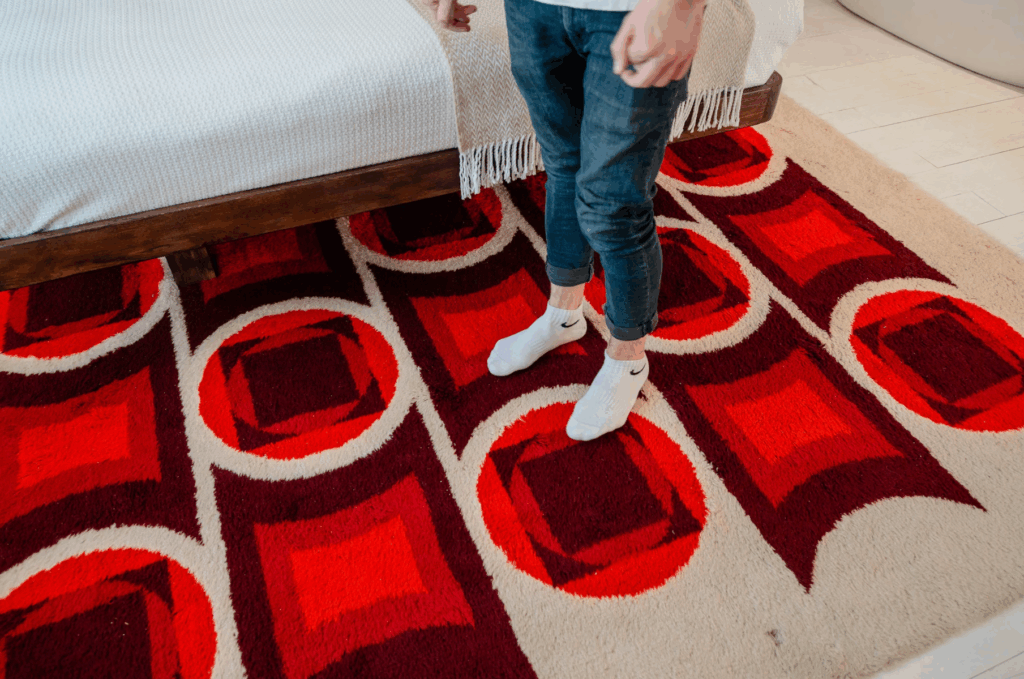
Pick the Right Material
- If budget allows, wool is often the best balance between softness, durability, and safety.
- For more affordable options, high-quality synthetic fibers can work well — but be cautious about the glue quality and backings.
Prioritize Construction Quality
- Look for rugs with tight tufting, a firm, even pile, and a well-bonded secondary backing.
- Ask about how the edges are finished — double-stitched or serged edges will better resist wear, especially along walls or under furniture.
- For high-activity rooms, a lower pile height may be more practical.
Seek Certifications & Transparency
- Choose brands that disclose the type of adhesive used and whether it’s low-VOC or non-toxic.
- Look for third-party safety certifications.
- Ask for sample swatches when possible, so you can check for odor or shedding before committing to a full-size rug.
Use a Rug Pad
- Always pair the rug with a non-slip pad. This stabilizes the rug, protects the floor, and extends the rug’s life.
Establish a Care Routine
- Vacuum regularly using suction-only settings.
- Address spills immediately by blotting.
- Rotate the rug every few months.
- Plan for occasional professional cleaning (especially for wool rugs).
Budget for Longevity vs Replacement
High-quality tufted rugs (especially wool) can last 5–10 years with proper care.
Cheaper synthetics may last less but can still be a smart, cost-effective choice if well maintained.
5. Why Valhak Tufted Rugs Are a Great Option for Children’s Rooms
Since Valhak is the brand we’re writing for, it’s worth noting how tufted rugs from a brand like ours can align with all the ideal criteria for a child’s room.
- Design Variety: Valhak’s tufted rugs come in a large spectrum of playful and elegant designs — from bright animals and stars to modern geometrics — helping parents match the rug to both their child’s imagination and the room’s decor.
- Quality Materials: We offer tufted rugs in both wool and synthetic blends, giving flexible choices for families balancing comfort, durability, and budget.
- Safe Backing: Our rugs are built with carefully selected low-VOC adhesives and reinforce with secondary backing for stability.
- Long-Term Service: Thanks to our craftsmanship and quality control, Valhak tufted rugs can maintain their appearance and structural soundness for years, especially with regular care.
- Sustainability: We offer eco-conscious options and transparent sourcing, aligning with growing consumer interest in sustainable home goods.
6. Case Scenarios: How Tufted Rugs Work in Different Kids’ Rooms
To make things more concrete, let’s imagine a few real-world scenarios and how tufted rugs can play a critical role.
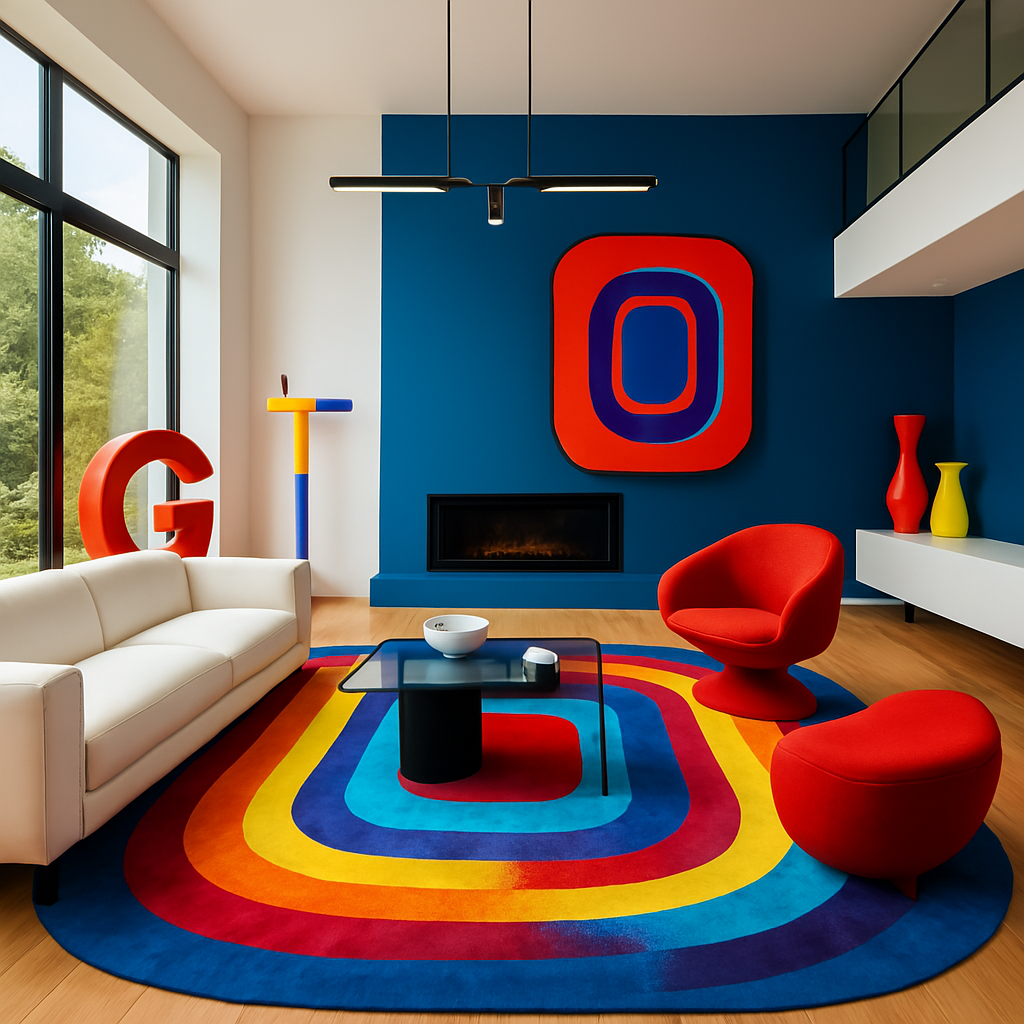
Scenario A: Toddler’s Playroom
- Goal: Soft, safe surface for crawling, playing, and tumbling.
- Rug Choice: A low-pile, plush wool tufted rug with a fun animal or forest motif.
- Setup: Place over a non-slip pad. Clean spills quickly. Rotate every few months.
- Benefit: Cushioned comfort reduces risk from falls; pattern hides minor stains and toys; design is engaging for the child.
Scenario B: Older Child’s Bedroom
- Goal: Stylish, functional, and comfortable underfoot.
- Rug Choice: A cut-and-loop or loop-pile synthetic rug with geometric or star patterns.
- Setup: Use a rug pad, vacuum regularly, spot clean.
- Benefit: Durable enough for foot traffic, under-bed placement, or toy area; design can match changing tastes.
Scenario C: Shared Sibling Room
- Goal: A rug that’s resilient, easy to clean, and neutral enough for both.
- Rug Choice: A dense tufted rug in a neutral color with a simple pattern.
- Setup: Place centrally, use a pad, clean frequently, consider professional cleaning once a year.
- Benefit: Rug anchors the room, hides wear and tear, and adds a soft level for play.
7. Conclusion
Tufted rugs offer a compelling blend of design, comfort, and cost-effectiveness that makes them an excellent choice for children’s rooms. Their soft texture supports safe play, while their pattern flexibility enables creative and playful interior design. Although they may not be as indestructible as hand-knotted rugs, a well-made tufted rug — especially one from a reputable brand like Valhak — can last for many years with proper care.
The key is making informed choices: select high-quality materials, ensure robust backing and finishing, use a non-slip pad, and maintain the rug with regular vacuuming and appropriate cleaning. When those elements come together, tufted rugs serve not just as a decorative accent, but as a safe, durable foundation that enriches the child’s daily experience in their own room.
8. FAQs
Are tufted rugs safe for children, especially toddlers?
Yes — if you choose rugs with non-toxic adhesives, soft fibers (like wool), and use a non-slip pad, tufted rugs can provide a safe and cushioned surface for kids.
How long will a tufted rug last in a kid’s room?
A high-quality wool tufted rug can last 5–10 years with good care, according to expert durability guides. Synthetic tufted rugs may last a shorter time, depending on quality and maintenance.
Will a tufted rug shed and leave fibers around?
Some shedding is normal, especially when the rug is new (particularly for wool). Regular vacuuming helps reduce this.
How can I clean spills on a tufted rug without damaging it?
Blot spills gently with a microfiber cloth. Use a mild detergent mixed with lukewarm water for spot cleaning. Avoid overwetting, and never scrub aggressively, as this can harm the backing.
Do I need to use a rug pad with a tufted rug in a child’s room?
Yes — a non-slip pad is strongly recommended. It improves safety, prevents the rug from shifting, and helps protect the rug’s structure and your floor.