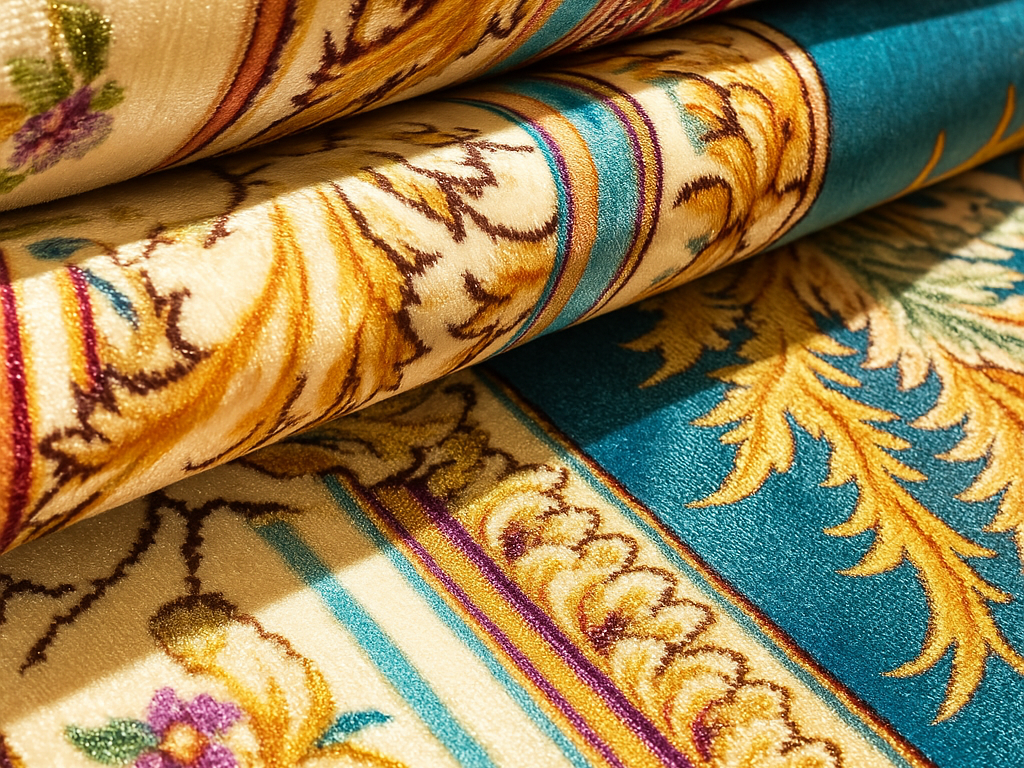
Los suelos de superficie dura, ya sean de madera cálida, baldosas elegantes u hormigón industrial, sientan las bases para muchos espacios interiores hermosos. Pero hay un problema: los suelos duros pueden resultar fríos al tacto, ruidosos al pisarlos y visualmente austeros. Ahí es donde entran en juego las alfombras con pelo insertado. Al añadir una textura suave y un patrón cuidado, se puede transformar instantáneamente un espacio, haciéndolo más cálido, más acogedor y más cohesionado. Pero combinar una alfombra con pelo insertado con suelos duros no consiste simplemente en colocar cualquier alfombra encima. Es una práctica de diseño que requiere elecciones meditadas en cuanto a escala, material, textura y función.
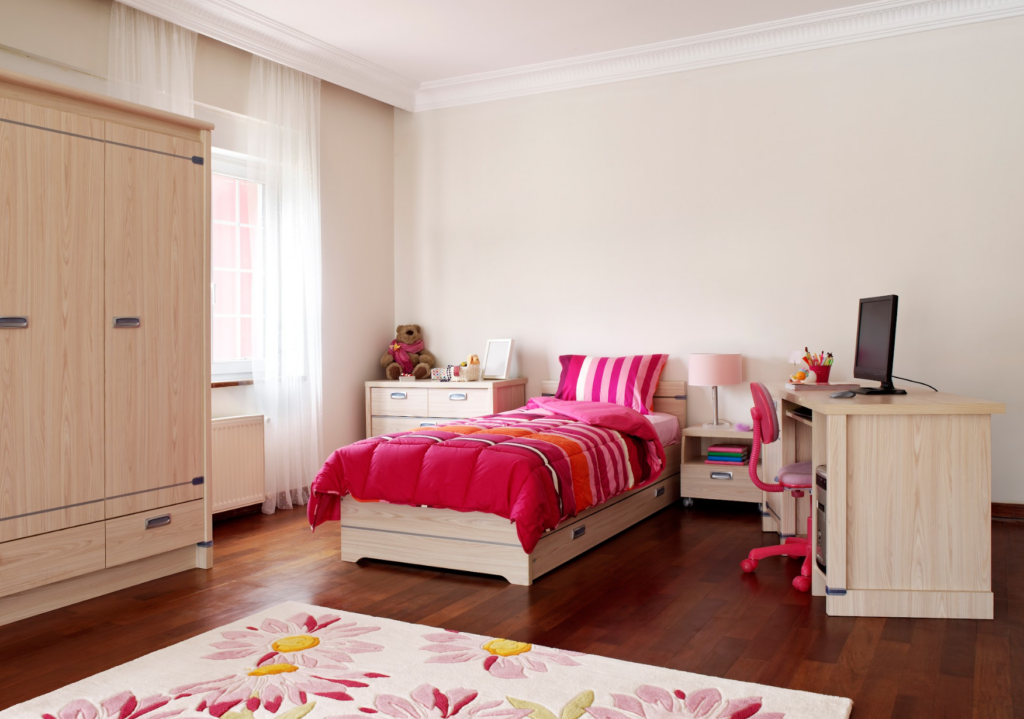
En esta guía completa, le explicaremos todo lo que necesita saber, desde cómo elegir la alfombra adecuada para suelos de madera hasta cómo equilibrar la textura en el hormigón, proteger el suelo y evitar errores comunes. Al final, podrá combinar la belleza con el rendimiento, creando espacios que transmiten una sensación de intencionalidad y elegancia.
1. Por qué las alfombras son importantes en suelos duros
Las superficies de suelo duro, como la madera, las baldosas y el hormigón, tienen cualidades visuales y táctiles distintas:
- Suelos de madera aportan calidez y vetas naturales, pero pueden mostrar arañazos y dar sensación de frío.
- Azulejo pisos ofrecen durabilidad y diseño, pero a menudo resultan duros y producen eco.
- Suelos de hormigón ofrecen un estilo industrial espectacular, pero pueden resultar fríos y minimalistas.
Alfombras mullidas Salvar la distancia entre estas superficies y una vida cómoda proporcionando:
- Suavidad y calidez bajo los pies.
- Visual puesta a tierra para muebles y decoración.
- Confort acústico absorbiendo el sonido.
- Espacios definidos en planos de planta abiertos.
Con estilos que van desde mezclas rústicas de algodón y lana hasta diseños abstractos modernos, las alfombras con pelo insertado aportan textura y personalidad a las superficies duras, sin comprometer la intención arquitectónica del suelo.
2. Comprender las alfombras con pelo insertado
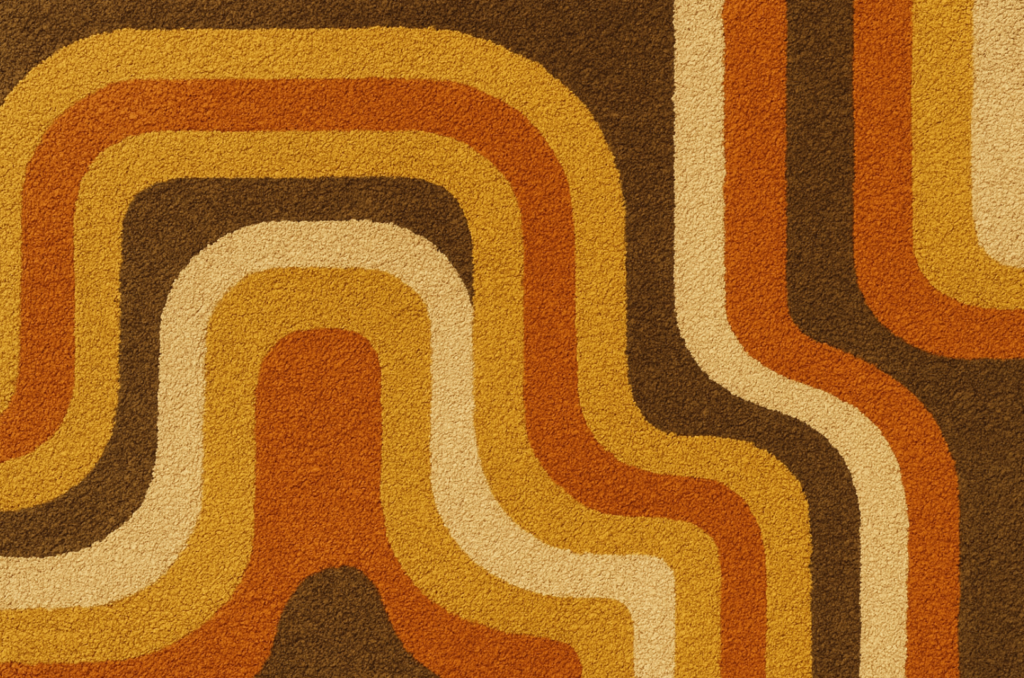
Antes de profundizar en la combinación de alfombras con suelos específicos, aclaremos qué son las alfombras tufting y por qué son una elección inteligente.
Alfombras mullidas — ya sea tufting a máquina o tejida a mano — se fabrican perforando bucles de hilo en un soporte de tela con una pistola o máquina especializada para tufting. El resultado es una superficie mullida y acolchada con un pelo suave y distintivo. Muchas alfombras tufting tienen un segundo soporte para mayor estabilidad y pueden ofrecer una durabilidad adecuada para las zonas de la casa con mucho tránsito.
Las principales ventajas de las alfombras con pelo insertado son:
- Textura y comodidad: La densa felpa proporciona una superficie suave que resulta muy agradable al tacto.
- Flexibilidad de diseño: Dado que el proceso de tufting permite crear muchos diseños y colores, las alfombras tufting son adecuadas para todo tipo de interiores, desde los tradicionales hasta los modernos.
- Practicidad: Con un mantenimiento adecuado, las alfombras con pelo insertado se conservan bien en salones, dormitorios, y otros espacios cotidianos.
Ahora veamos cómo combinarlos con cada uno de los principales tipos de suelos duros.
3. Combinar alfombras con pelo insertado con suelos de madera noble
Suelos de madera noble Son apreciadas por su calidez y su atractivo atemporal. Tanto si su madera es roble claro, nogal intenso o algo intermedio, el objetivo de una alfombra no es ocultar la belleza, sino realzarla.

Elige la textura adecuada
Los suelos de madera noble pueden ser elegantes y lisos. Combínalos con un Alfombra con pelo rizado que presenta una superficie suave y agradable al tacto. crea un contraste que resulta acogedor. La lana de alta calidad o las fibras mezcladas son ideales porque amortiguan el suelo y equilibran su brillo y textura.
Tamaño y colocación
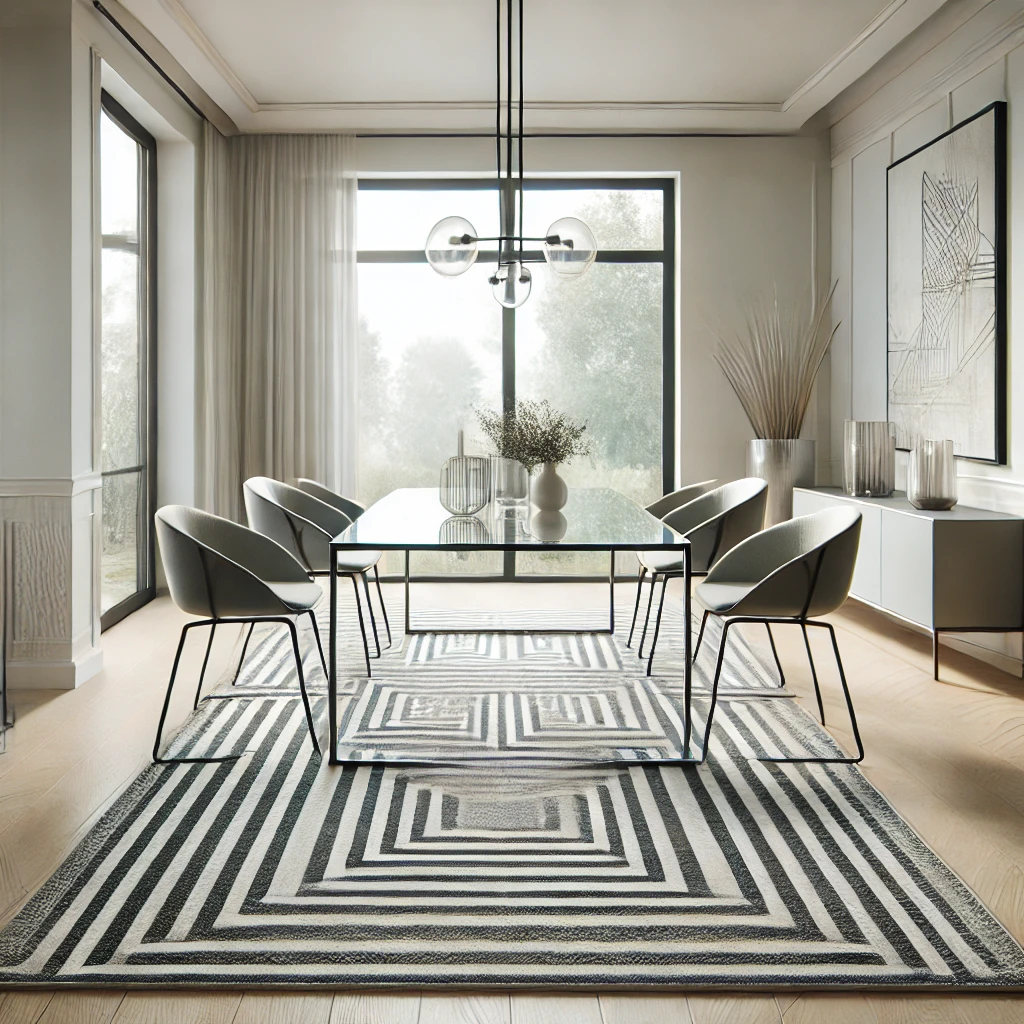
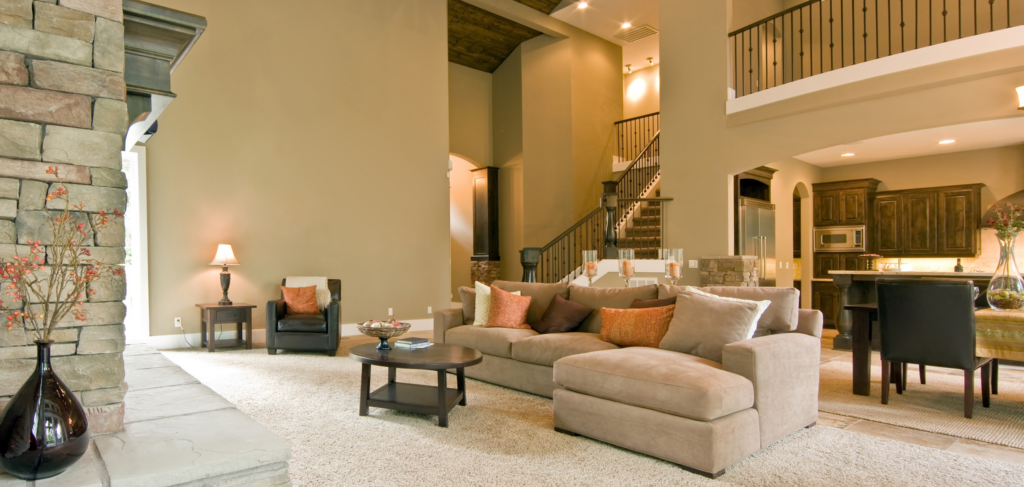
El tamaño importa. Una alfombra demasiado pequeña puede parecer desconectada y hacer que el espacio se sienta desarticulado. En las salas de estar, elija una alfombra lo suficientemente grande como para que el Las patas delanteras de los sofás y las sillas descansan sobre él.. En los comedores, deja que la alfombra se extienda más allá de los bordes de la mesa para que las sillas permanezcan sobre ella cuando se retiren.
El contraste es clave
Apalancamiento Contraste entre el color de la alfombra y el tono de la madera.:
- Las alfombras claras sobre madera oscura aportan luminosidad.
- Las alfombras oscuras sobre madera clara definen zonas y crean puntos focales.
Protección del suelo
La madera noble puede rayarse o marcarse con el movimiento de las alfombras. Utilice siempre un alfombrilla antideslizante Diseñado para madera dura, para evitar resbalones y proteger el acabado.
4. Combinar alfombras con pelo insertado con suelos de baldosas
Las baldosas —de cerámica, porcelana, piedra o piedra natural— son duraderas y atractivas. Pero al igual que la madera, las baldosas pueden resultar frías al tacto y reflejar el sonido.
Calidez y suavidad
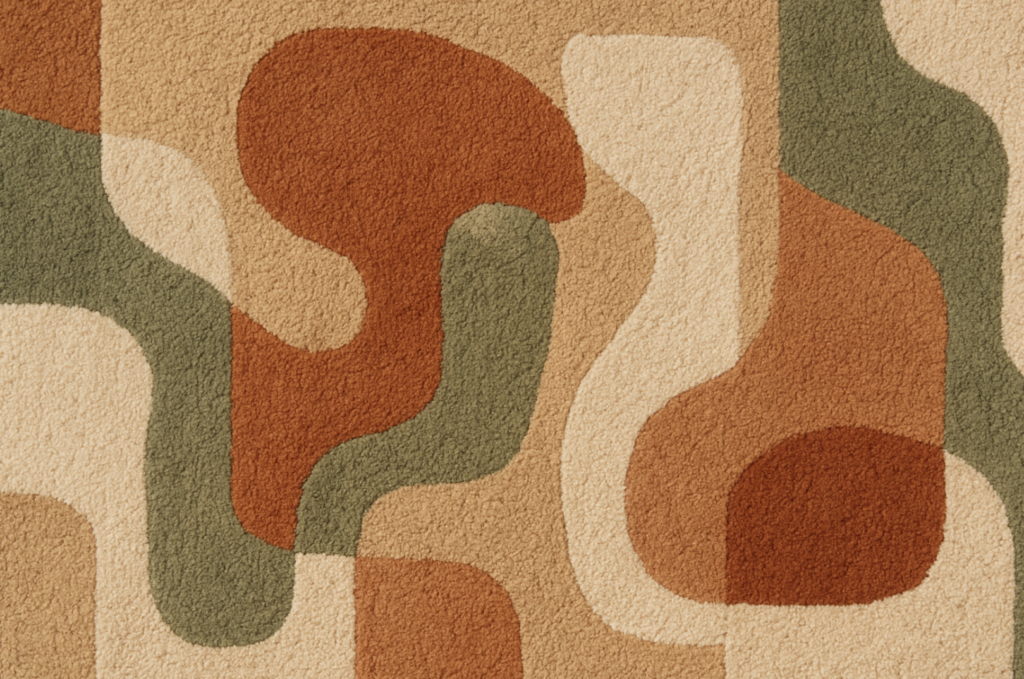
Una alfombra con pelo insertado añade confort y calidez visual sobre baldosas, haciendo que los espacios habitables resulten más acogedores. Esto resulta especialmente útil en cocinas, baños y entradas, donde es habitual el uso de baldosas.
Color y diseño
Los azulejos suelen incorporar tonos fríos o patrones repetitivos. Elige colores y patrones de alfombras que complementar o equilibrar los tonos de los azulejos. Para baldosas de piedra terrosa, tonos neutros cálidos, rojos apagados y ocres funcionan bien; para cerámicas de tonos fríos, azul suave o marfil puede suavizar el campo visual.
La durabilidad importa
Las baldosas son fáciles de limpiar, por lo que combinarlas con un Alfombra de polipropileno o mezcla sintética con pelo insertado. puede ofrecer un equilibrio entre suavidad y durabilidad práctica, especialmente en zonas muy transitadas o propensas a la humedad.
Definir zonas
En diseños abiertos con baldosas en todas partes, utilice alfombras para definir zonas de asientos o pasillos, añadiendo estructura y finalidad a cada área.
5. Combinar alfombras con pelo insertado con suelos de hormigón
Los suelos de hormigón son cada vez más populares en interiores industriales, modernos y minimalistas. Sin embargo, su superficie rugosa y fría a menudo pide a gritos un toque de suavidad.
Equilibra el minimalismo con la calidez
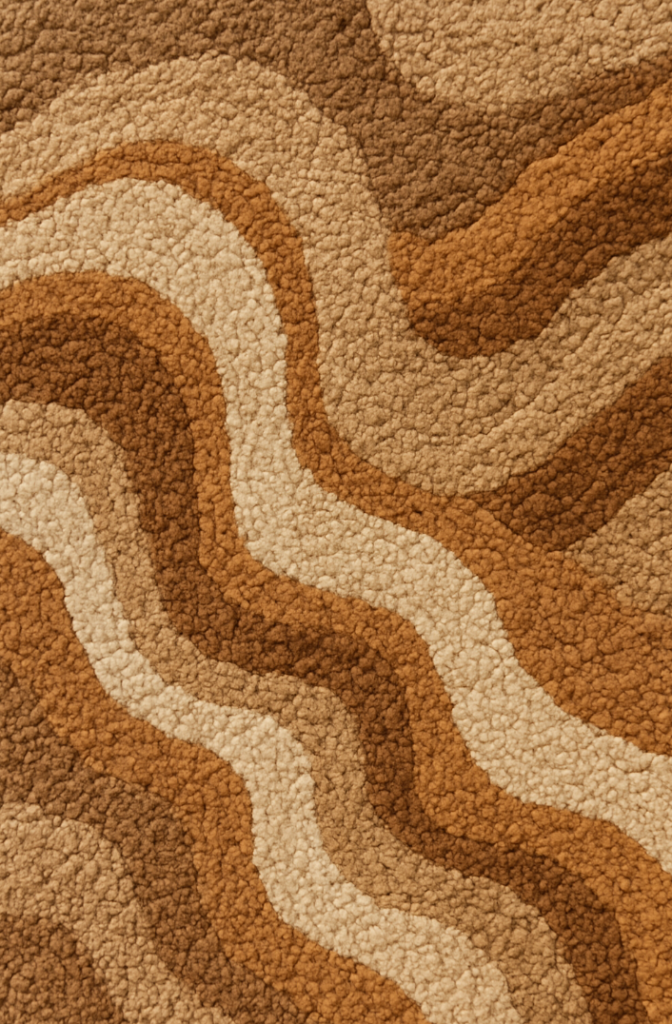
La superficie lisa y dura del hormigón combina a la perfección con alfombras con textura y mechones que aportan profundidad visual y comodidad física. Las alfombras de felpa o de pelo medio-alto suavizan la dureza del hormigón y hacen que los interiores resulten más acogedores.
Ten en cuenta el patrón y el tono
Alfombras con colores llamativos o patrones geométricos pueden animar una base de hormigón gris neutro, creando interés visual sin abrumar el espacio. Por otra parte, las alfombras neutras con pelo insertado mantienen una estética minimalista sin renunciar a la textura.
Practicidad
Dado que el hormigón puede ser duro para los pies y producir eco, elija un Alfombra densa y cómoda que absorbe el ruido y añade una capa de aislamiento, especialmente en lofts o viviendas diáfanas.
6. Pautas universales para combinar alfombras y suelos duros
Almohadillas para alfombras: el héroe olvidado
Las almohadillas para alfombras son esenciales cuando se coloca cualquier alfombra sobre un suelo duro. Ayudan a evitar deslizamientos, protegen el suelo de arañazos y prolongan la vida útil tanto de la alfombra como del suelo. Una almohadilla antideslizante es especialmente importante para suelos de madera noble y baldosas pulidas.
Textura y contraste
La textura crea profundidad. Los suelos lisos piden a gritos un contraste táctil: piensa en alfombras de lana suave o con bucles sobre madera, baldosas o hormigón pulido. Este contraste aumenta el interés visual y la comodidad.
Tamaño y proporción
Una alfombra debe parecer intencionada, no como algo añadido a posteriori. Siga unas sencillas reglas de tamaño: deje al menos unos centímetros de suelo desnudo alrededor del perímetro de la alfombra para lograr equilibrio y asegúrese de que los muebles clave conecten visualmente con la alfombra.
Armonía de colores y estampados
No te limites a fijarte solo en el suelo, sino que ten en cuenta toda la paleta de colores de la habitación. Utiliza la teoría del color, como la regla 60-30-10, en la que se combinan un color dominante, uno secundario y uno de acento, para mantener el equilibrio entre el suelo, la alfombra y los elementos circundantes.
Consideraciones acústicas y de confort
Los suelos duros reflejan el sonido. Las alfombras lo absorben. En espacios propensos al eco, una alfombra grande con pelo insertado puede ayudar a silenciar una habitación y hacerla más acogedora e íntima.
Colocar alfombras en capas (cuando sea apropiado)
No siempre se necesita una sola alfombra. Para espacios grandes, considere colocar una Alfombra base de tejido plano neutro y coronándolo con un alfombra decorativa con pelo rizado para introducir color, estampados o suavidad. Solo asegúrate de que la alfombra superior sea más pequeña por todos los lados para que quede bien colocada sobre la pieza base.
7. Errores comunes que se deben evitar
Alfombras demasiado pequeñas
Las alfombras pequeñas sobre suelos duros grandes pueden parecer islas flotantes. Ancla tu espacio con un tamaño adecuado.
Mala elección de la almohadilla para alfombras
Las almohadillas para alfombras incorrectas o inexistentes pueden provocar resbalones y daños en el suelo, especialmente en baldosas y madera noble.
Colores excesivamente llamativos
Evita combinar tu alfombra exactamente con los tonos del suelo: el contraste suele dar un aspecto más equilibrado y deliberado.
Ignorar los patrones de tráfico
Las zonas de mucho tránsito pueden necesitar materiales más duraderos para las alfombras. Las fibras sintéticas o mixtas suelen resistir mejor que los materiales delicados en estas zonas.
8. Conclusión
Los suelos de superficie dura merecen una colocación cuidadosa. Las alfombras con pelo insertado no son solo decorativas, sino que son elementos funcionales que mejoran la comodidad, el equilibrio acústico, la seguridad y el impacto visual. Teniendo en cuenta el material, el tamaño, la textura y la ubicación, y protegiendo los suelos con almohadillas de calidad, se pueden crear espacios que resulten a la vez bonitos y sólidos. Tanto si su hogar cuenta con madera noble, baldosas estampadas o hormigón minimalista, la integración cuidadosa de las alfombras realza todo el ambiente.
9. Preguntas frecuentes
¿Necesito una almohadilla antideslizante debajo de una alfombra con pelo insertado sobre suelos duros?
Sí, las almohadillas para alfombras evitan que estas se deslicen, protegen el suelo de arañazos y ayudan a que la alfombra quede plana y dure más tiempo.
¿Qué tamaño de alfombra debo elegir para el salón?
Elija un tamaño que permita que al menos las patas delanteras de los sofás y las sillas descansen sobre la alfombra, lo que ancla el espacio visual y funcionalmente.
¿Se pueden usar alfombras con pelo insertado en suelos de hormigón?
Por supuesto, aportan calidez, suavizan el sonido y crean un contraste visual que realza la estética cruda del hormigón.
¿El color de la alfombra debe combinar con el suelo?
No exactamente. El contraste suele funcionar mejor que la combinación. Una alfombra debe complementar el suelo, no mimetizarse con él.
¿Qué materiales son los más adecuados para las zonas de mucho tránsito?
Las alfombras sintéticas mixtas o de lana resistente con pelo insertado aguantan bien en zonas de mucho tránsito, al tiempo que mantienen la comodidad y el atractivo del diseño.