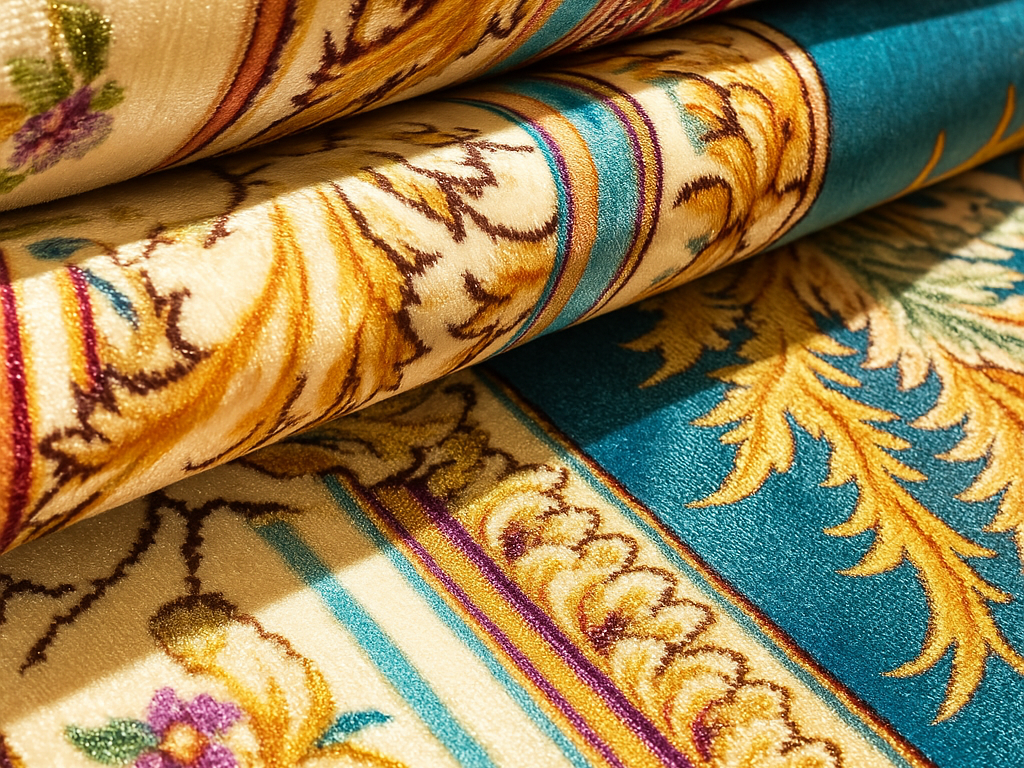
A tufted rug is a beautiful accent piece — plush, soft underfoot, and often richly patterned. But its very charm also demands a little special care. Because tufted rugs are made by punching yarns through a backing and fixing them with adhesive, they need more gentle treatment than some other rug types. With thoughtful maintenance, however, your tufted rug can stay attractive and intact for years. Here’s a comprehensive guide to caring for your tufted rug — brought to you by Valhak.
1. Understanding Your Tufted Rug
Before diving into care routines, it helps to understand what makes tufted rugs unique.
What Is a Tufted Rug?
Tufted rugs are constructed by using a tufting gun or similar device to insert loops of yarn through a base cloth. The loops may remain (loop pile) or be cut to create a cut pile. The yarn is then held in place by a secondary backing and adhesive.
Because of this construction, tufted rugs have a few vulnerabilities:
- The adhesive backing can be sensitive to excess moisture.
- The yarn tufts may come loose if not handled carefully; tugging on loose ends can damage the rug.
- High-traffic or strongly rotating brush vacuuming can stress the fibers or pull them out.
Understanding these structural traits will help guide how you clean, vacuum, and maintain your tufted rug — to preserve both its beauty and durability.
2. Daily & Routine Maintenance

A. Vacuuming: Your First Line of Defense
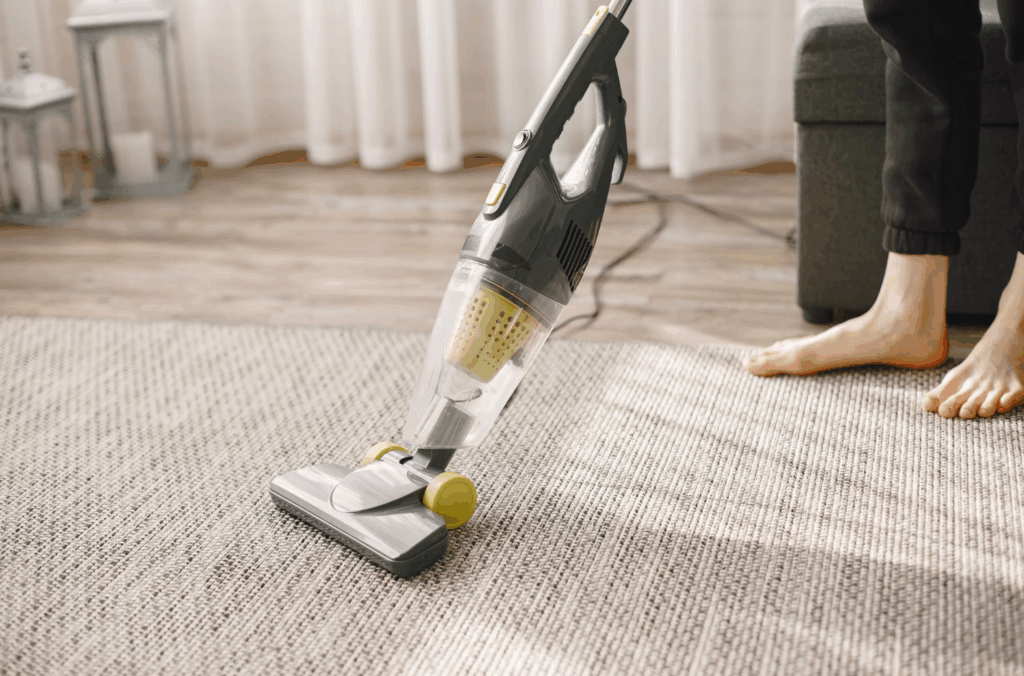
Regular vacuuming is essential. Dirt, dust, and debris act like tiny sandpaper: over time, they wear down fibers and damage the rug’s pile. Best Practices for Vacuuming:
Use the Right Vacuum Setting
- Choose a vacuum without a beater bar or with the beater bar turned off. Harsh brushes can stress or pull on tufted fibers.
- If your vacuum offers suction control, use a lower setting — strong suction is good, but too aggressive airflow can strain the backing and tufts.
Vacuum Frequency
- Under typical usage, vacuum at least once per week.
- If your rug is in a high-traffic area, or you have pets, bump that up to every 2–3 days if possible.
- Occasionally vacuum the back side of the rug — clearing dust from the underside helps prevent buildup and maintains overall hygiene.
Vacuum Technique
- Move thoughtfully and slowly — don’t rush. Give the vacuum time to lift embedded dirt.
- Vacuum in one direction, then go over again from the side — this ensures you’re lifting debris from all angles.
- Avoid vacuuming the fringes, tassels, or bound edges aggressively — they’re more delicate.
Dealing with Loose Fibers
- In the early weeks with a new rug, you may notice more shedding or loose fibers. This is normal.
- Don’t pull out loose yarns. Instead, carefully trim them with sharp scissors.
B. Rotation & Placement
To ensure even wear and color fading:
- Rotate your rug every 3–6 months. This helps distribute foot traffic evenly and prevents certain spots from fading faster than others due to sunlight.
- Use a rug pad. A quality underlay will cushion foot traffic, prevent slipping, and reduce stress on the rug’s backing. It also helps with airflow and prevents moisture buildup underneath.
- Avoid damp or high-humidity areas. Since tufted rugs rely on adhesive, placing them in basements, bathrooms, or humid rooms can be risky.
- Protect from direct sunlight. Over time, UV exposure can fade the yarn. Use curtains or rotate the rug periodically to minimize uneven fading.
3. Spot Cleaning: Tackling Spills and Stains
Accidents happen. Whether it’s a spilled drink, a tracked-in spot of mud, or a pet mishap — quick and careful action is your best defense.
A. General Principles for Stain Removal
Act Fast
- The moment a spill occurs, blot it with a clean, dry, white cloth — do not rub. Rubbing pushes liquid deeper into the pile and may spread the stain.
- Work from the outer edge of the stain toward the center to avoid spreading.
Test First
- Before applying any cleaning solution, test it on a small, inconspicuous area to ensure it doesn’t cause fading or color bleeding.
Use Mild, pH-Neutral Cleaners
- Choose gentle detergents. Avoid bleach, strong alkali cleaners, or harsh chemicals.
- For wool rugs, use wool-safe detergent or spot-cleaner specifically designed for natural fibers.
B. Specific Cleaning Methods
Here are some effective stain removal techniques tailored for tufted rugs:
Water & Mild Detergent
- Mix a gentle detergent with lukewarm water.
- Dampen a cloth or sponge (do not soak the rug) and gently dab the stained area.
- Blot up the moisture using a dry cloth or paper towel. Repeat until the stain lifts.
- Rinse: After cleaning, you may want to use a cloth dampened with clean lukewarm water to remove any residual soap.
- Dry: Let the rug air dry flat in a well-ventilated place. Avoid direct sunlight until it’s completely dry.
Vinegar (Natural Refresh)
- For light or musty stains / odors, mix 1 part white vinegar with 3 parts water in a spray bottle.
- Lightly mist (don’t drench) the area.
- Blot gently with a clean cloth. Let the rug air dry.
Oxygen-Based Cleaner for Stubborn Stains
- For set-in stains, an oxygen-activated cleaner (e.g., OxiClean) can be helpful.
- Sprinkle it over the spot, let it dwell for about 5–10 minutes, then rinse with cool water.
- Blot thoroughly and dry as described above.
Dry Surface Shampoo
- For a non-wet, freshening clean, you can use a dry rug shampoo powder formulated for natural fibers.
- Spread the powder, let it sit per instructions (usually 15–30 minutes), then vacuum it up.
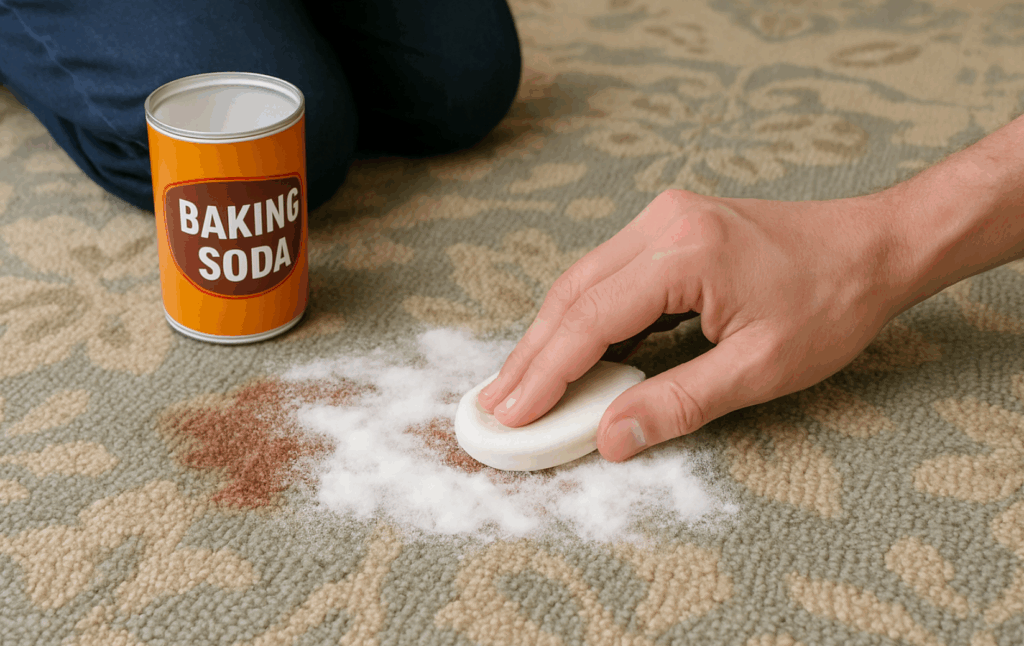
Baking Soda for Odors
- Sprinkle baking soda over your rug to absorb odors. Let it sit for a few hours or overnight.
- Vacuum thoroughly to lift the powder and trapped odor particles.
4. Deep Cleaning: Refreshing & Restoration
Routine care will carry your rug through daily wear — but every few months (or as needed), a deeper clean helps rejuvenate it.
A. Frequency & Schedule
- According to tufting experts, deep clean your rug every 3–6 months, depending on how much traffic it gets.
- Alternatively, follow a maintenance schedule like this: weekly vacuum, monthly back vacuum or inspection, rotate every few months, and deep-clean periodically.
B. Deep Cleaning Process
Preparation
- Vacuum thoroughly — both sides — to remove loose dust and debris before any wet cleaning.
- Test cleaning solutions in an inconspicuous area to ensure colorfastness.
Hand Washing (for Suitable Rugs)
- Use lukewarm water and a mild detergent.
- Gently scrub in sections with a soft brush or sponge, following the direction of the pile.
- Rinse thoroughly to ensure no soap remains.
- Avoid soaking; too much water can weaken the adhesive backing.
Drying
- After washing, blot excess water with dry towels.
- Air dry flat, in a well-ventilated area, out of direct sunlight. Ensure the rug is totally dry before placing it back in its spot — dampness can lead to odor, mold, or adhesive breakdown.
Fluffing
- Once dry, gently brush or rake the pile using a soft-bristle brush or carpet rake to lift fibers and restore texture.
C. When to Call a Professional
- If your tufted rug has stubborn or set-in stains, persistent odor, or you suspect the backing is deteriorating, professional cleaning is likely your safest bet.
- Rug experts generally recommend a professional cleaning every 12–18 months, though this depends on use and condition.
- Professional cleaners have specialized tools and know-how to clean without harming the glue or yarn structure.
5. Maintenance Pitfalls: What Not to Do
To preserve your tufted rug, steer clear of these common missteps:
- Don’t Pull Loose Yarn: It may be tempting to tug on a stray fiber, but that can unravel the weave. Instead, clip it carefully.
- Avoid Over-Wetting: Too much water can weaken the glue that holds the tufts. Use damp cloths, not soaking wet ones.
- No Harsh Chemicals: Avoid bleach, strong solvents, or alkaline cleaners, which can damage fibers and backing.
- Skip the Rotary Brush When Vacuuming: Vacuums with rotating beater bars can shred tufted yarns. Use suction-only mode or turn off the brush.
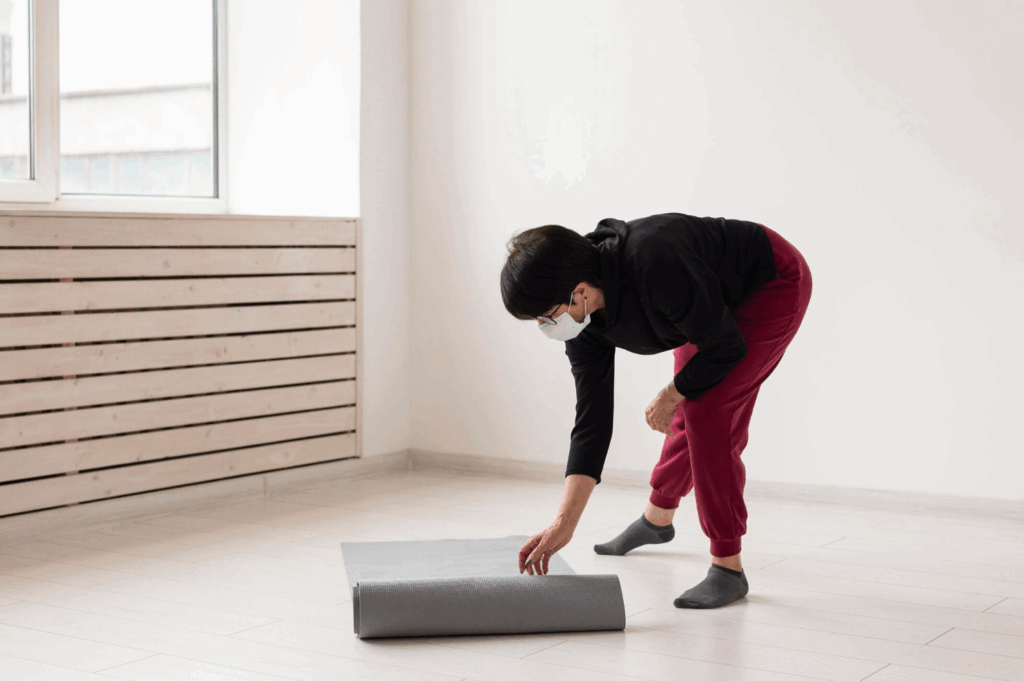
- Don’t Store Damp: If you need to store your rug, make sure it’s fully dry. Roll it (pile-side in), wrap in breathable fabric, and keep it in a cool, dry place.
6. Additional Tips & Best Practices
Here are a few more helpful tips, drawn from experts and seasoned rug lovers, to keep your tufted rug in prime shape:
- Inspect Regularly: Every month or so, check for loose tufts, glue softening, or signs of wear. Early detection helps avoid bigger problems.
- Use Furniture Coasters: If heavy furniture sits on the rug, use coasters or felt pads to avoid indentations. Re-arrange the furniture occasionally to reduce localized stress.
- Manage Humidity: In humid climates, use a dehumidifier in the room where the rug sits to minimize moisture risk.
- Revive Pile with Combing: For longer-pile tufted rugs (like rya-type), gently comb with a coarse-toothed comb/rake to keep the pile looking fluffy.
- Use a Lint Roller: For pet hair or surface lint, a lint roller or hand brush can be a quick supplement between deep cleans.
7. Special Considerations by Material for Tufted Rugs
Not all tufted rugs are made the same. The fiber type makes a big difference in how you care for the rug.
Wool Tufted Rugs
- Wool is resilient and naturally somewhat stain-resistant, but it responds best to gentle cleaners.
- Use wool-safe, pH-neutral detergent. Avoid high heat and do not agitate too aggressively.
Synthetic (Acrylic, Polyester, etc.)
- Synthetic fibers may shed more, especially early on.
- They tolerate more frequent vacuuming, but still avoid harsh brushes and aggressive deep cleaning.
8. Conclusion
Tufted rugs are wonderful investments — they bring warmth, texture, and artistry into your space. But to keep them looking plush and clean, they need a little more intelligence and care in your cleaning routine. With the right vacuuming habits, prompt stain removal, periodic deep cleaning, and smart preventative steps, your Valhak tufted rug can remain a centerpiece in your home for many years. By combining regular attention with gentle, informed care, you’ll protect both its fibers and its structural integrity — and enjoy the softness, color, and comfort of your rug for the long term.
9. FAQs
How often should I vacuum my tufted rug?
At least once a week for normal use; more often (2–3 times) if there’s heavy traffic or pets.
Can I use a steam cleaner on my tufted rug?
It’s not recommended — too much moisture can weaken the glue backing. Stick with hand cleaning or professional services.
What if I spill wine (or something colored) on the rug?
Blot immediately, then use a mild detergent or oxygen cleaner as directed. Test any cleaner in a discreet spot first.
My rug is shedding — is that normal?
Yes, especially in the first few weeks. Shedding tends to taper off with regular vacuuming.
How do I store my tufted rug if I need to put it away?
Make sure it’s completely dry, roll it (pile inward), wrap in breathable material, and store in a cool, dry place to avoid moisture and pest issues.