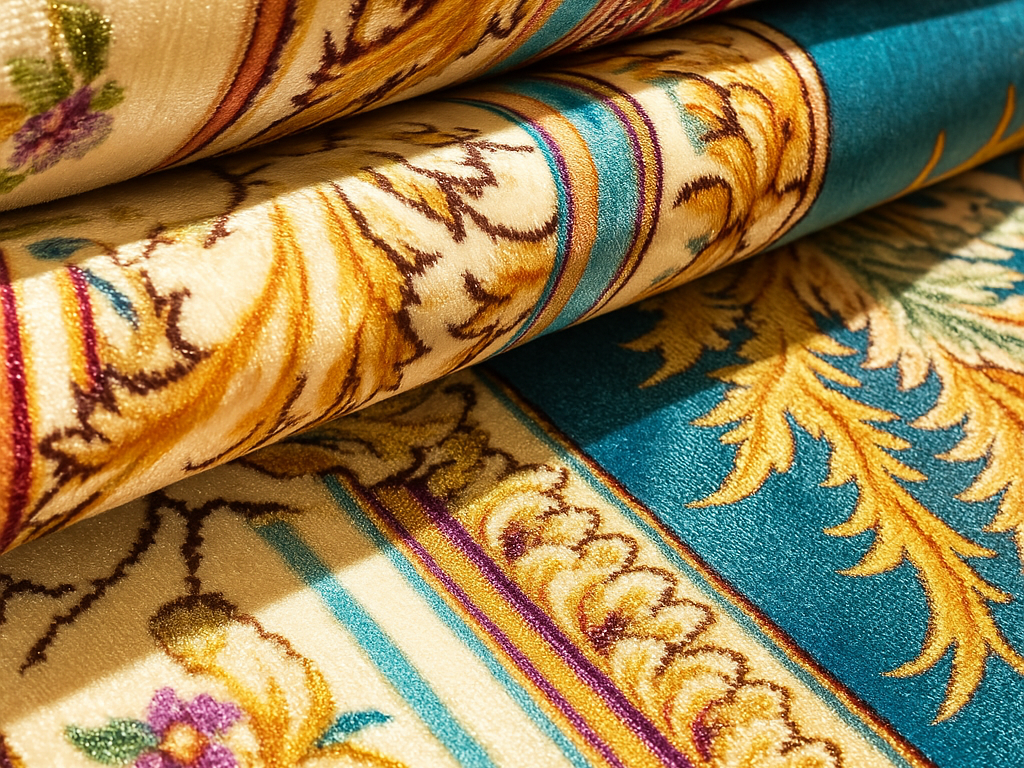
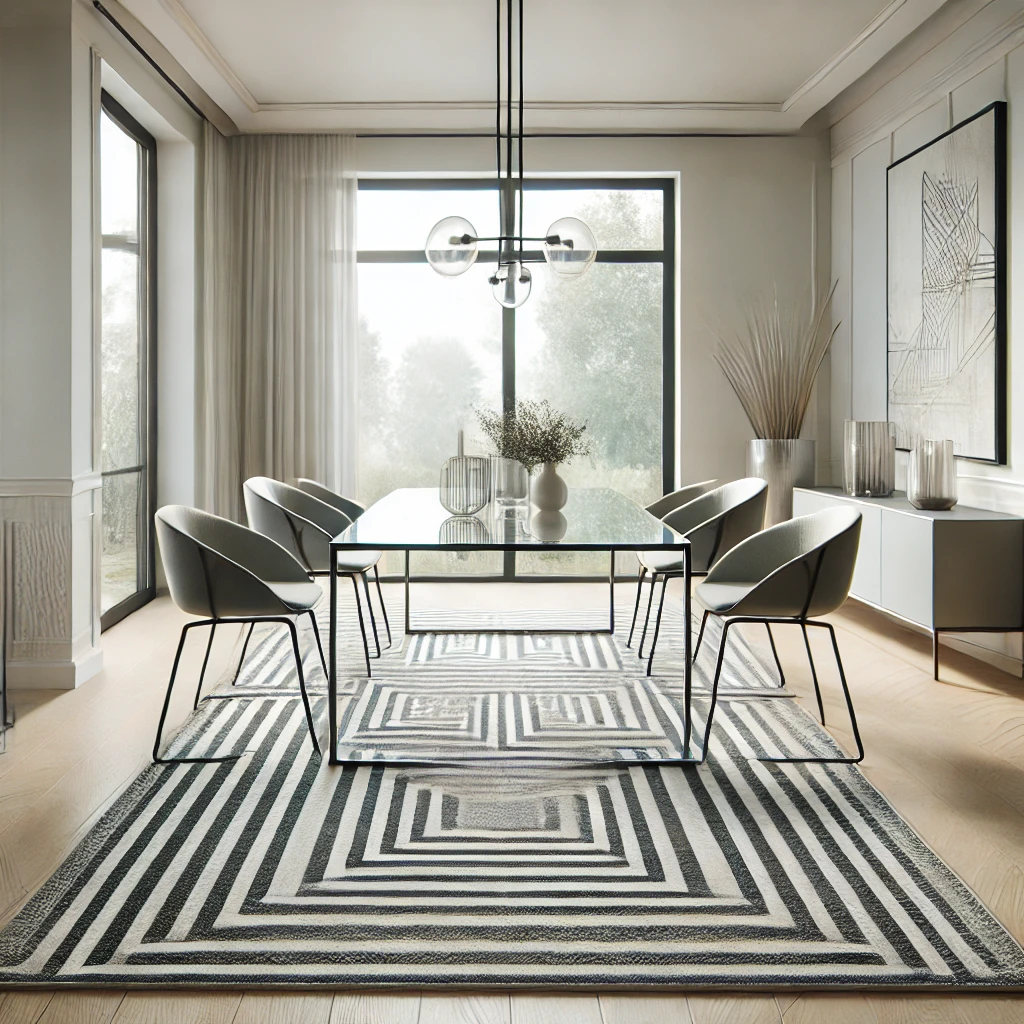
When it comes to designing—or redesigning—a space, rugs are more than functional floor coverings. They ground a room, bring texture, soften acoustics, and serve as a visual anchor for your furniture. For tufted rugs in particular—known for their plush texture and handcrafted charm—selecting the right style can dramatically influence how cohesive and intentional your space feels.
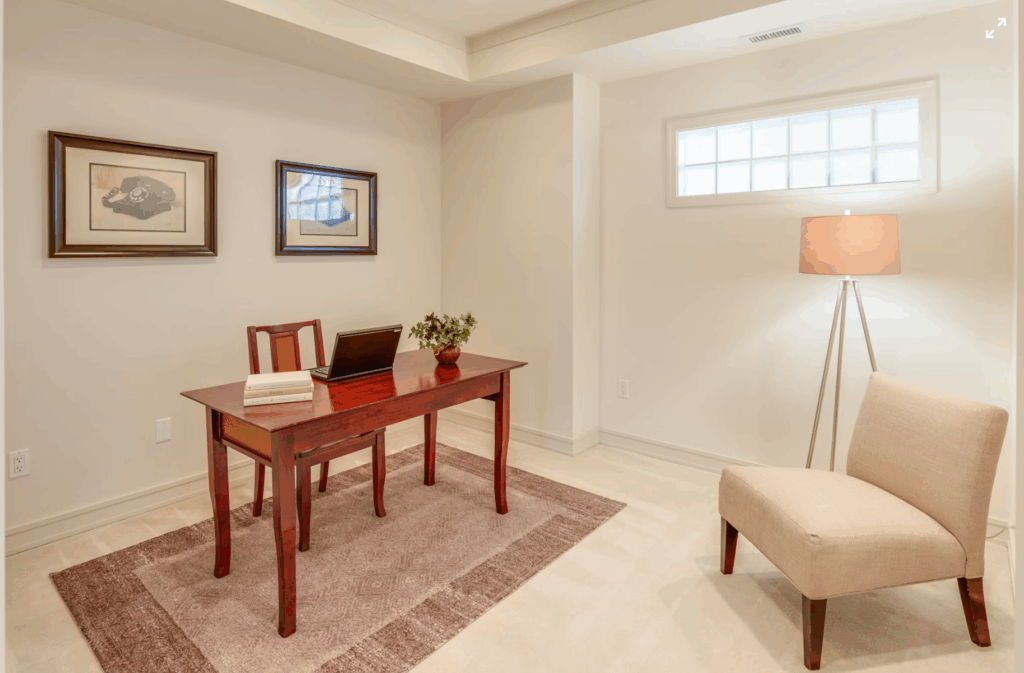
At Valhak, we believe in letting your rug reflect your personality while enhancing your interior design. Below, we’ll explore how to choose and style a tufted rug for four popular interior styles: minimalist, boho, mid-century modern, and modern, with layered tips, practical examples, and expert insight.
1. What Makes a Tufted Rug Special
Before diving into design styles, it’s worth noting why a tufted rug is an excellent choice:
- Comfort & Softness: Unlike flat-weaves, tufted rugs have a dense pile that feels luxurious underfoot.
- Texture & Depth: The raised loops or cuts in tufted rugs create depth and shadow, giving your room a tactile richness.
- Versatility: Tufted rugs come in wool, synthetic blends, and natural fibers, making them suitable for both high-traffic and low-traffic areas.
- Craftsmanship: Many tufted rugs are handmade or partially handcrafted, which adds a personal, artisanal touch.
Because of their softness and structure, tufted rugs are ideal for bringing a sense of warmth and cohesion to a space. But to get the most from that impact, it’s wise to align the rug design with your room’s style.
2. Minimalist Interiors: Understated Elegance
Minimalist design is all about simplicity, clean lines, and a restrained color palette. Think white or neutral walls, streamlined furniture, and functional decor.
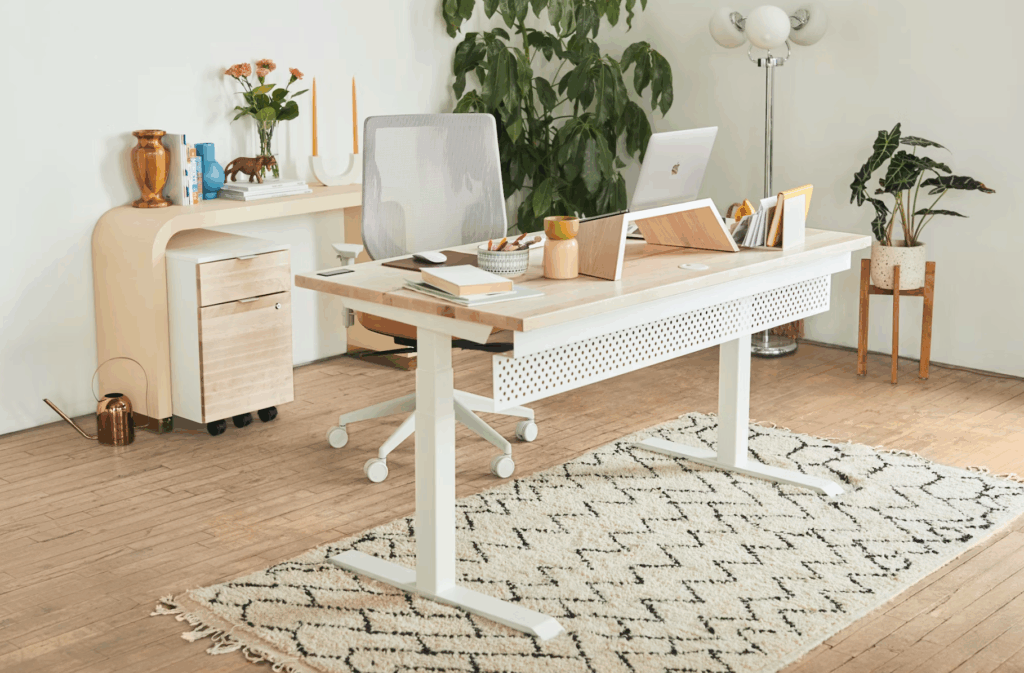
How to Choose a Tufted Rug for Minimalist Spaces
- Neutral Colors Opt for shades like ivory, soft grey, beige, or muted taupe. These tones support the understated, calm aesthetic without competing with other elements. The general principle of coordinating your color palette helps here: either match or intentionally complement your room’s hues.
- Subtle Patterns or Solid Designs Go for rugs with geometric patterns or no pattern at all. This ensures the rug feels calm, not chaotic. As has been advised by rug specialists, neutral rugs with simple designs reinforce a minimalist or modern interior.
- Low to Medium Pile While tufted rugs are often plush, choosing one with a moderate pile height ensures it doesn’t overwhelm the clean, streamlined feel of minimalist decor. Low-pile rugs in neutral shades have been recommended for modern minimalist rooms.
- Anchor with Proportion Use the “two-thirds rule”: ideally, major furniture like a sofa should cover about two-thirds of the rug’s length. This helps avoid a floating appearance.
- No Over-Layering In minimalist rooms, avoid complex layering. One simple, high-quality tufted rug is often all that’s needed.
Styling Tips for Minimalist Interiors
- Allow furniture legs (especially front legs) to rest on the rug: this helps tie the rug to the room’s layout.
- Use a high-quality rug pad to prevent slipping, especially for smooth, low-pile tufted rugs.
- Keep other decor minimal—a few throw pillows or a monochromatic throw can harmonize with the rug without cluttering the space.
3. Boho Interiors: Warmth, Texture & Eclectic Energy
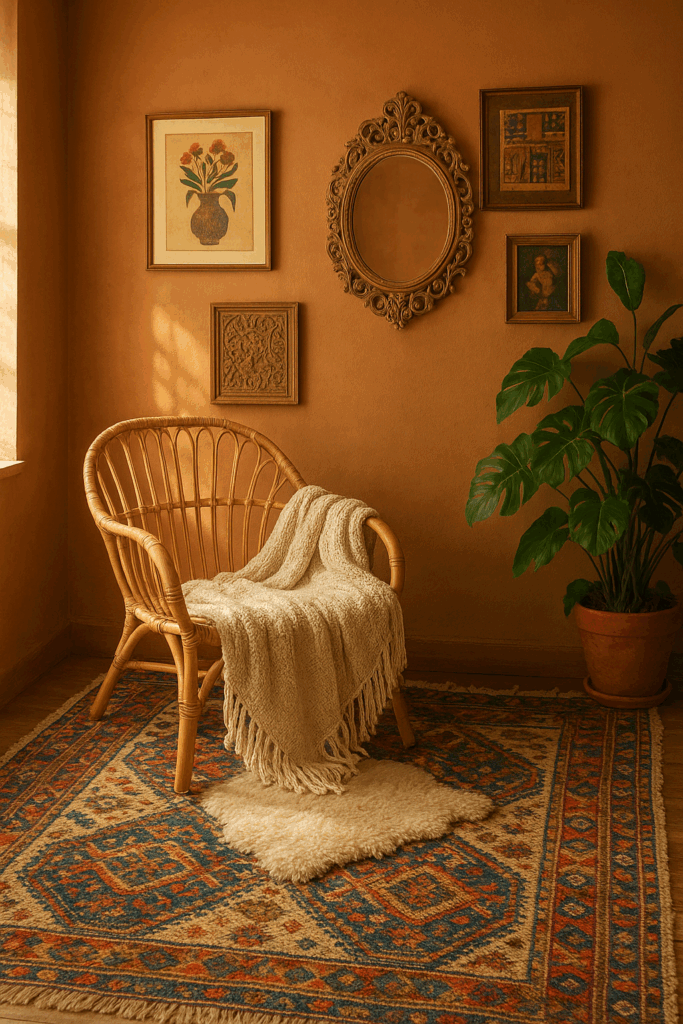
Boho design thrives on layered textures, global-inspired patterns, natural materials, and a relaxed, carefree spirit. It often includes vibrant colors, macramé, plants, and handmade textiles.
Choosing a Tufted Rug for Boho Spaces
- Rich Patterns & Earthy Palettes Look for rugs with tribal prints, Moroccan motifs, or kilim-style patterns. Earthy tones like terracotta, olive, ochre, and cream work beautifully.
- Layering is Your Friend Boho design often uses layered rugs to create depth. Start with a neutral flat-weave rug (jute or sisal) as a base, then layer a tufted rug with texture and pattern on top.
- Designers like Justina Blakeney have praised layering rugs at different angles to add a tapestry-like rhythm to a room.
- Texture Over Perfection Choose rugs with natural fibers (like wool) or hand-tufted options. The slight imperfections, variation in pile, and handcrafted feel make the space feel organic and lived-in.
- Scale Variations Pair a standard tufted rug with smaller, patterned throw rugs or sheepskins. Mixing pattern scales (small geometric prints with bolder motifs) creates balance.
Styling Tips for Boho Interiors
- Use off-angle layering: placing the top rug slightly askew adds personality and casualness.
- Tie-in rug colors with other accessories like cushions, wall hangings, or plant pots for a cohesive but collected feel.
- Don’t hesitate to mix in vintage or heirloom pieces—it adds to the eclectic boho story.
4. Mid‑Century Modern Interiors: Retro Sophistication
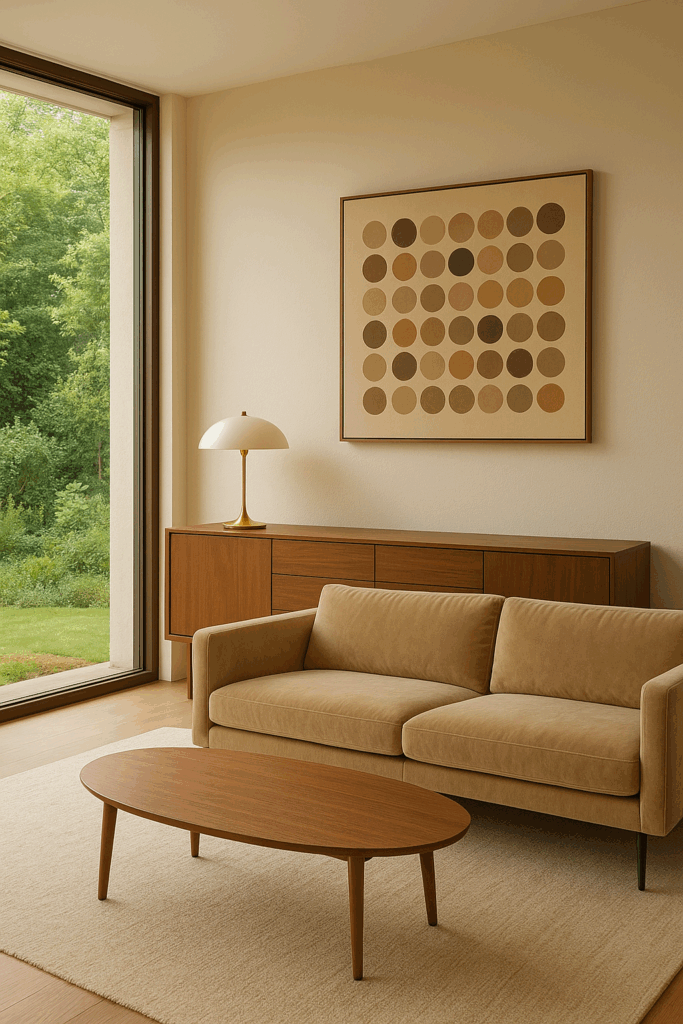
MCM is characterized by clean organic lines, minimalist silhouettes, tapered legs, warm woods, and a functional aesthetic. Color palettes often include muted earth tones, olive greens, mustard yellows, or pastel shades.
How to Pick a Tufted Rug for Mid‑Century Modern Style
- Earthy or Muted Color Palettes Choose rugs in terracotta, olive, muted browns, pastel peach, mint green, or powder blue. These tones complement mid-century wood finishes and architectural simplicity.
- Geometric or Abstract Patterns Tufted rugs with geometric motifs—chevrons, simple lines, or abstract shapes—resonate well with MCM’s clean visual language. Subtle contrast (like black and white, or bold color accents) can emphasize the design without overpowering.
- Balanced Proportions Mid-century furniture often has elegant proportions. A rug that lies proportionately under key pieces (like sofas or dining tables) helps create harmony. The two-thirds rule again provides a helpful guide.
- Moderate-to-Low Pile A moderate-pile tufted rug gives softness without feeling too plush, maintaining that sleek MCM silhouette.
- Layering with Restraint While layering isn’t as central in MCM as in boho, a secondary neutral base rug under a patterned tufted piece can work, especially in larger spaces. Use shared color tone to maintain cohesion.
Styling Tips for Mid‑Century Modern Interiors
- Pair the rug with furnishings made of teak, walnut, or rosewood to tap into the era’s warmth.
- Use accent cushions or art in pastel shades that echo the rug’s tones.
- Let the rug anchor a conversation area, with a classic MCM sofa and tapered-leg chairs on its perimeter.
5. Modern Interiors: Bold, Polished, and Purposeful
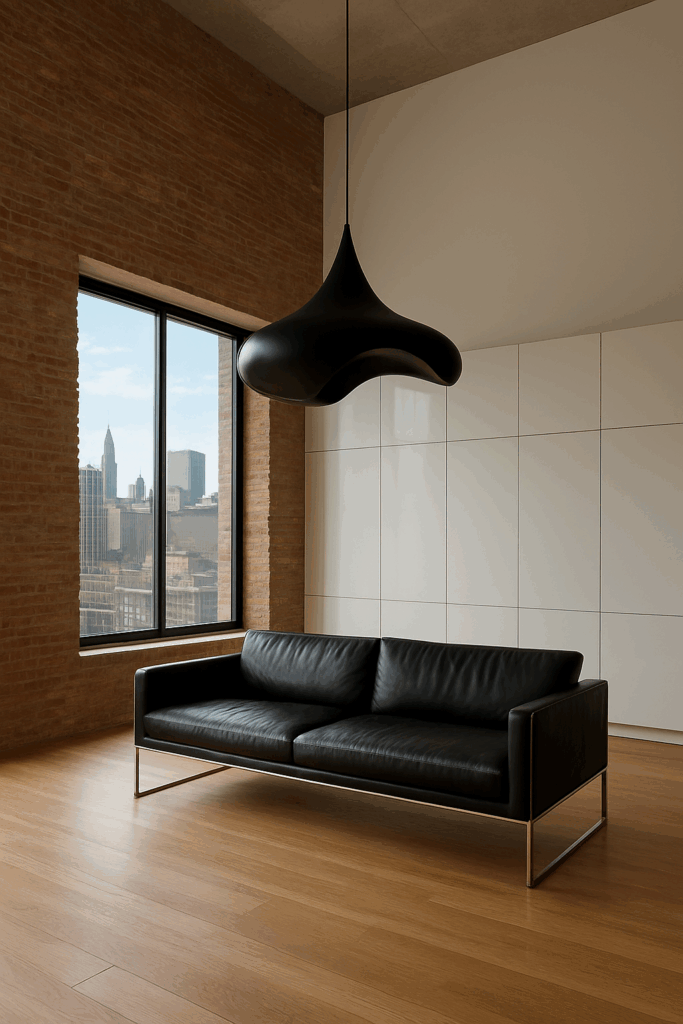
“Modern” in this context refers to a broader contemporary aesthetic: clean but not minimal, sleek but not cold, and often with a bold or graphic edge. Think monochromatic or high-contrast palettes, statement furniture, and a mix of materials (metal, glass, wood).
Selecting a Tufted Rug for Modern Interiors
- Statement Colors & Contrast While neutrals are safe, a tufted rug with a bold hue (deep navy, charcoal, emerald) or graphic pattern can become a design focal point. Interior advice often recommends choosing rugs that either complement or thoughtfully contrast with existing colors.
- Abstract or Geometric Motifs Modern spaces benefit from rugs with abstract shapes, linear patterns, or stylized geometrics that echo the space’s overall architecture.
- High-Quality Materials A plush wool or wool-blend tufted rug conveys luxury and durability. In busy modern homes, a durable but soft material works well.
- Layer Smartly If layering, use a neutral, flat rug underneath and a high-pile tufted rug on top for texture contrast. Ensure the layered pieces share a color family or motif to avoid visual dissonance.
- Proportional Placement Keep in mind rug-to-furniture ratios to ensure visual balance (again, the two-thirds rule can be useful).
Styling Tips for Modern Interiors
- Use the rug to ground a grouping of sleek modern furniture, such as a bold sofa and a glass coffee table.
- Add decorative accents (throws, cushions, art) that echo the rug’s pattern or color but don’t feel overly matched. Designers caution against making everything “matchy-matchy” because that can make a space feel staged.
- Consider placing accent furniture pieces on the rug to make the arrangement feel intentional and rooted.
6. Common Principles Across All Styles
While each design aesthetic requires its own considerations, there are universal guidelines for pairing any rug with your space:
Color Harmony
- Decide whether your rug is matching or complementary.
- Use color theory or simple rules (like the 60-30-10 rule: 60% dominant color, 30% secondary, 10% accent) to guide your choices.
Texture & Scale
- Contrasting textures (flat weave vs. plush tuft) add depth.
- Vary pattern scale: pair big, bold rugs with finer patterns in other details.
Room Proportion & Layout
- Ensure rugs are sized to anchor spaces — too small and they float; too big and they overwhelm.
- Leave floor space around rugs for balance; avoid wall-to-wall rug unless it’s intentional.
Layering Intentionally
- Use layering to define zones (especially in open-plan rooms).
- Combine textures smartly: a neutral base rug with a textured tufted piece on top is frequently recommended.
Secure with Rug Pads
- A rug pad prevents sliding, cushions, and extends the life of your tufted rug.
7. Why Choose a Valhak Tufted Rug
At Valhak, we specialize in high-quality tufted rugs designed to both elevate interior style and hold up to real life. Our collections are crafted with careful attention to:
- Material integrity: durable wool and sustainable blends
- Design diversity: from tonal minimal to richly patterned boho
- Ethical craftsmanship: hand-tufted by skilled artisans
- Sustainability: we emphasize long-lasting design, meaning less waste and longer usability
Whether you’re designing a sleek modern loft, a cozy bohemian nook, or a timeless mid-century living room, Valhak rugs offer a foundational piece that brings comfort and cohesion.
8. Conclusion
Selecting the right tufted rug for your space is both an art and a science. It involves understanding your interior’s aesthetic — be it minimalist, boho, mid-century, or modern — and then finding a rug that complements your palette, furniture, and layout. The right tufted rug can anchor your room, enrich your textures, and bring warmth underfoot without compromising style.
9. FAQs
Can one tufted rug work across different styles?
Yes — a neutral, high-quality tufted rug (e.g., in ivory or grey) can serve as a flexible foundation that complements many styles.
Do I always need to layer a rug?
No — layering is optional. It’s particularly useful for boho or eclectic designs, but minimalist and modern rooms often look cleaner with a single rug.
How do I choose the right size rug?
Measure your furniture layout and follow rules like leaving 12–18 inches of floor around the rug or using the two-thirds guideline for sofa placement.
Are tufted rugs durable in high-traffic areas?
Yes, especially when made from strong fibers like wool or synthetic blends. Use a rug pad to reduce wear and slipping.
How should I coordinate pillows, art, or other decor with my rug?
Use shared colors or patterns, but avoid exact matches. Designers recommend a harmonious dialogue rather than mirroring.