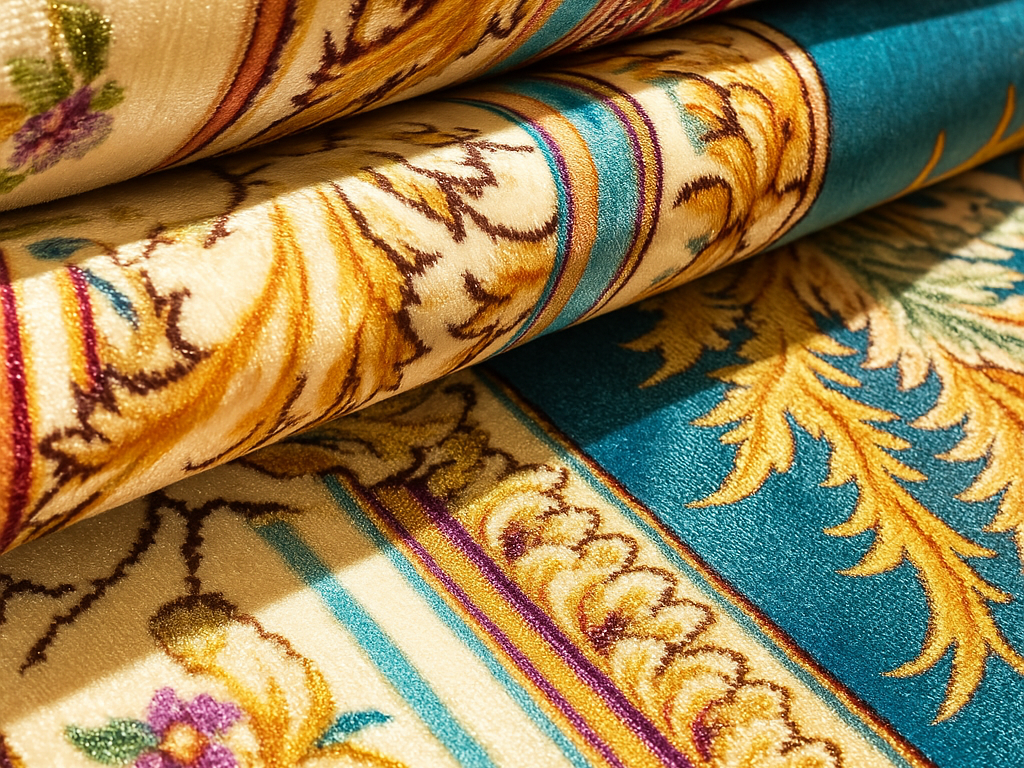
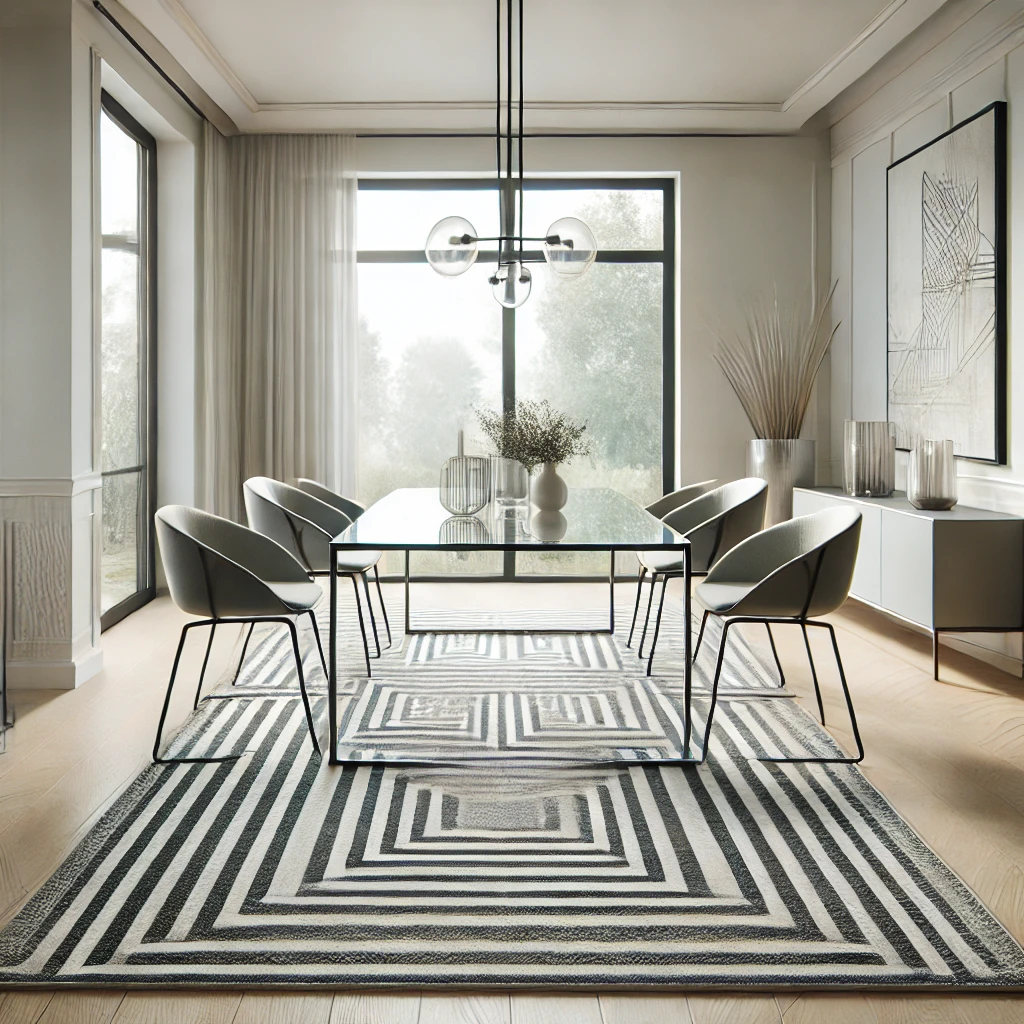
As 2026 approaches, the world of tufted rugs is evolving in exciting ways. What used to be largely functional floor coverings are now bold, tactile artworks that anchor a room’s aesthetic, emotion, and character. For rug lovers, interior designers, understanding these emerging trends isn’t just interesting—it’s essential for staying ahead in style.
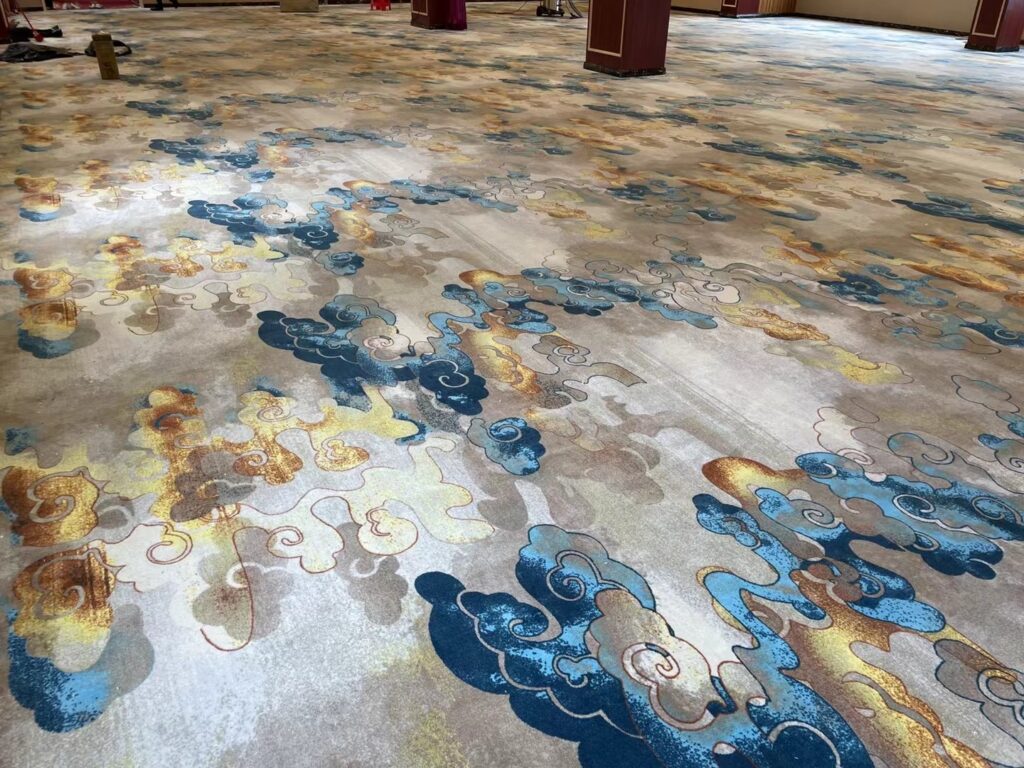
In this post, we’ll explore key tufted rug design trends you’ll see more of in 2026, including the hottest color palettes, pattern directions, and textural innovations. We’ll look at what’s influencing these shifts—from sustainability to digital design techniques—and suggest how Valhak’s product line might align and capitalize on them.
1. Color Trends: Where Tufted Rugs Are Going in 2026
Earthy Vibrancy: The Rise of Natural Depth
A dominant color direction for 2026 is what many designers are calling “earthy vibrancy”—warm, grounded hues enriched with depth. Rather than cool or washed-out neutrals, expect to see clay, terracotta, olive, ochre, and deep plums.
These tones feel rooted in nature but with an expressive, sophisticated edge. Behr, Valspar, and Benjamin Moore’s forecasts highlight smoky sage, tobacco brown, dusty olive, and sunbaked terracotta as core shades.
For tufted rugs, these colors offer something powerful: they provide serenity and warmth, but also richness and personality.
Dusty Jewel Tones & Unexpected Pairings
Alongside earth-based hues, a second palette is emerging: muted jewel tones. Think aged emerald, Prussian blue, amethyst, and midnight purple—but not in glossy, saturated finishes. Instead, designers favor “dusty,” soft-edged jewel tones that feel gathered, refined, and slightly timeworn.
What makes 2026 especially interesting is the boldness of color pairings. Designers are embracing high-contrast pairings that feel unexpected but harmonious—chartreuse with baby blue, periwinkle with chocolate, or satin teal with metallic moss.
For tufted rugs, that means opportunity. These color mixes lend themselves especially well to accent rugs: bold borders, color-dipped piles, or modular tufted pieces that layer sculptural color over a neutral base.
Bold Solids and Tone-on-Tone
An enduring trend that continues into 2026 is cohesive solid rugs—single-color designs that anchor a space without overwhelming it. Yahoo! lifestyle highlights this as a way to unify artful, mixed-period furniture and decor.
Tone-on-tone designs are also becoming more nuanced. Rather than flat monotones, rugs now show subtle variation within a single hue—through tufting techniques, pile height variation, or layering textures. This approach allows for calm, cohesive spaces while still celebrating tactility and depth.
2. Pattern Trends: The Graphic Language of Tufted Rugs in 2026
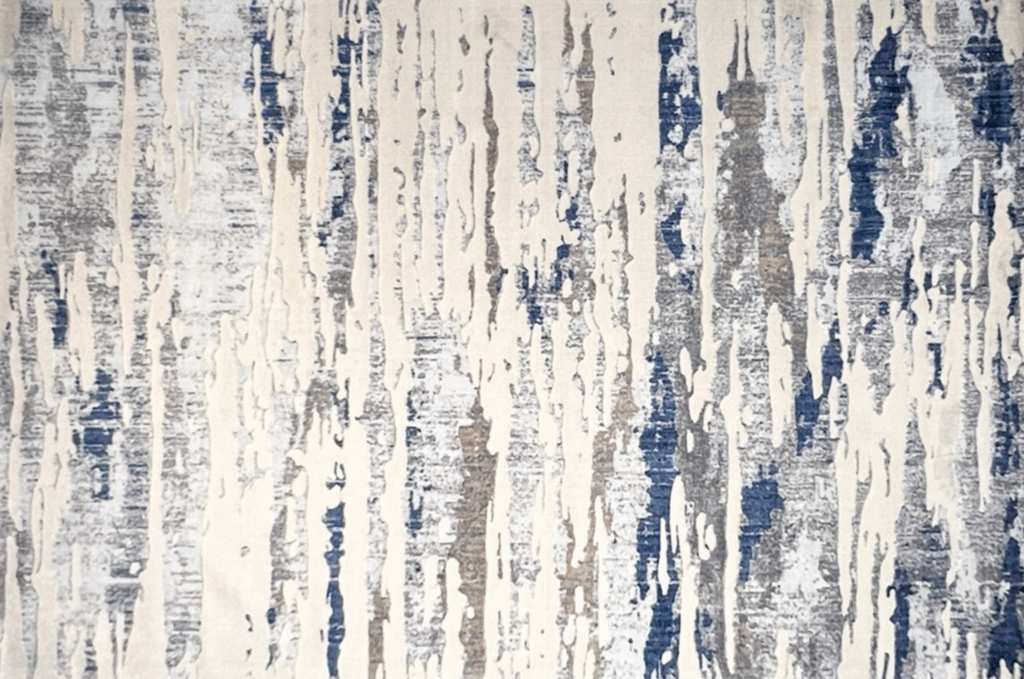
Organic Geometry & Asymmetry
In 2026, the geometric rug is not disappearing—it’s transforming. Rather than rigid lines and symmetrical repeats, designers are favoring organic geometry: shapes that feel irregular, fluid, and slightly imperfect.
Expect to see overlapping triangles, broken grids, trapezoids, and even algorithmic or AI-inspired distortions. These shapes create a controlled chaos that’s visually engaging without being overly busy.
For tufted rugs, this translates beautifully: using high-low piles or carved tufting to delineate shapes without relying solely on color.
Abstract & Painterly Motifs
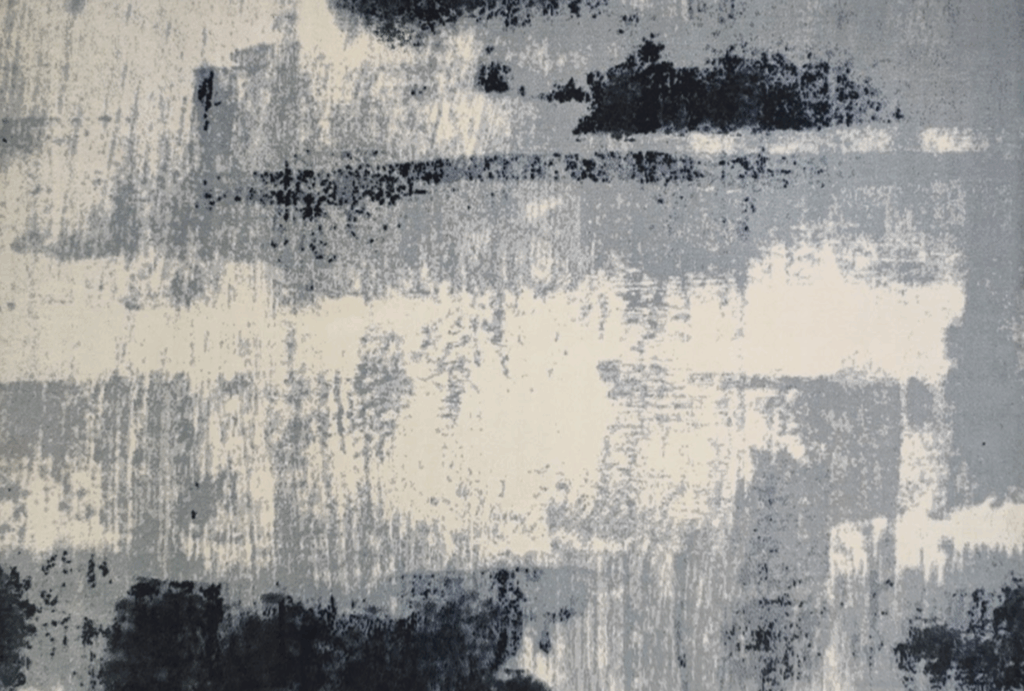
Rugs are becoming canvases. Abstract, painterly designs—think sweeping brushstrokes, fluid gradients, and emotive color transitions—are making waves.
Some designers are collaborating with artists: tufting abstract paintings into rugs that feel like floor-level artwork. Meanwhile, others leverage tech—AI-generated fractals or distorted shapes—to create hypnotic, non-repeat patterns.
Pattern Drenching: Mix, Match, Repeat
A newer concept gaining traction is pattern drenching, where designers layer strong, repeating motifs throughout a space—in rugs, upholstery, wallpaper, even furniture. In this way, rugs are not just accents; they’re part of a full-pattern takeover.
For tufted rugs, this means designing cohesive lines that can coordinate with other patterned elements in a room.
Vintage Revival: Modern Retro Reimagined
The nostalgic appeal of vintage and retro rugs is not fading—instead, it’s being reinterpreted. Traditional tribal, Persian, or Oriental motifs are being reworked with refreshed palettes and tufting techniques that bring new life to old styles.
Designers are also softening the contrast and adding warmth: fewer stark blacks and whites, more earthen browns, muted terracottas, and clay-inspired shades.
3. Texture Trends: The Tactile Revolution of Tufted Rugs
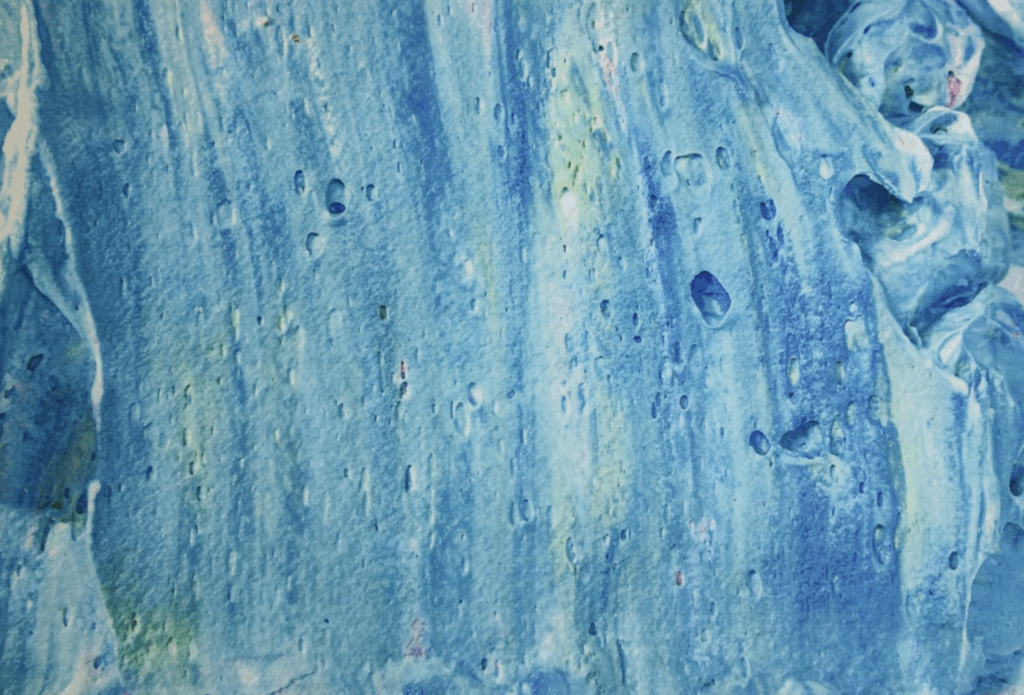
Sculptural High-Low & Multi-Pile Designs
Texture has become a defining feature of 2026 rugs. Designers are pushing tufting technology to its limits, creating 3D effects via different pile heights, cut-and-loop techniques, and sculpted tufting.
Multi-pile rugs—those that combine high, plush zones with low, dense areas—are especially popular. These designs offer both visual relief and a sensory experience underfoot.
Material Combinations & Sustainability
Sustainability continues to guide design decisions, and rug makers are responding with thoughtful, mixed-material constructions.
Common combinations for tufted rugs now include:
- Wool + Jute: Wool brings plush softness; jute introduces a natural, rustic texture.
- Wool + Recycled PET: Brands are using recycled plastic fibers to create eco-conscious rugs without sacrificing performance or color.
- Wool + Silk or Nylon: To add zones of sheen or contrast, some rug makers pair wool with silk-like or synthetically smooth fibers.
The result? Tufted rugs that are not only beautiful and textured but also better for the planet.
Tactile Layering & Rug-on-Rug Styling
Layering rugs remains a powerful design tool in 2026—but now, it’s more experimental. Designers are overlapping rugs of different shapes, textures, and heights to create rich, curated floors.
High-low pile rugs are being paired with flat-weave bases; plush tufted rugs might layer over natural fiber rugs like jute.
Smart & Custom Tufting Innovations
While not widespread yet, future-facing innovations are already beginning to inform trends. According to tufting design blogs, some makers are experimenting with:
- Robotic tufting guns that sculpt raised floral or geometric motifs up to two inches high.
- Laser-etched pile surfaces that cast shadows, creating optical texture.
- Biofabricated materials, like mycelium-based yarns, though still in development, are being explored for their self-repairing properties.
4. Why These Trends Make Sense for 2026
Putting all of this together, it’s worth reflecting on why these tufted rug design trends are converging in 2026—and how Valhak can leverage them.
Sustainability Is Non-Negotiable
- Consumers increasingly demand eco-conscious products. Using recycled fibers (e.g., PET), responsibly sourced wool, and natural dyes allows Valhak to align its mission with broader consumer values.
- Sustainability also supports longevity; durable, well-crafted tufted rugs feel like investments, not throwaways.
Rugs as Art & Story
- Rugs are no longer just functional floor pieces—they’re narrative-rich, tactile statements. Abstract designs, 3D sculpting, and high-low texturing make them canvases for personal expression.
- Limited and artist-collaborated pieces can elevate your brand, tapping into customers who value uniqueness.
Color Complexity Reflects Emotional Complexity
- The move toward warm, earthy tones and dusty jewel hues mirrors broader cultural desires for comfort, connection, and authenticity.
- Unexpected color pairings and pattern drenching reflect a shift toward more expressive, layered living. Valhak can offer rugs that serve as both calming foundations and bold accents.
Tactility & Physical Presence Matter
- In an increasingly digital world, people crave physical sensory experiences. Texture-rich tufted rugs provide a tangible connection to space; they invite touch, play, and grounding.
- Rug layering offers depth in interiors, and multifunctional design (insulation, sound absorption) means tufted rugs serve both aesthetic and functional needs.
5. Recommendations for Valhak: How to Apply These Trends
To translate these insights into actionable strategy, here are some recommendations for Valhak’s product development, marketing, and collections.
Develop a “2026 Trend Collection”
- Launch a dedicated line of tufted rugs that reflects the earthy vibrancy and dusty jewel-tone palettes.
- Include pattern drenching designs (geometric, abstract, vintage-inspired) and pair them with coordinating accessories (throw pillows, wall tiles).
Offer Multi-Pile & Sculpted Pile Options
- Create multi-pile tufted rugs that use cut-and-loop tufting or different pile heights to sculpt shapes.
- Market these as tactile, luxurious pieces with sensory depth.
Sustainable Material Lines
- Promote rugs made from recycled PET, regenerative wool, or natural fibers.
- Highlight eco-certifications and transparent sourcing to build customer trust.
Layering Kits
- Offer curated rug-pairing sets: e.g., a flat-weave base + a sculptural tufted accent.
- Provide styling guides or web-based room visualizers to show customers how to layer for maximum impact.
Experimental & Limited Edition Drops
- Collaborate with artists for abstract painterly rugs.
- Try limited production using tufting technology (robotic tufting, laser effects) to gauge customer interest.
Content & Storytelling
- Build blog posts, lookbooks, and social media campaigns around these trends: highlight color palettes, design innovations, and sustainability.
- Educate customers on how to care for high-low pile rugs, and how to style layered rugs.
6. Conclusion
As we move into 2026, tufted rugs are more than just floor coverings—they’re artful statements, sensory experiences, and eco-conscious design choices. The key trends to watch are earthy vibrancy in color, organic geometry and painterly abstractions in pattern, and rich textural innovation through multi-pile and sculpted techniques.
7. FAQs
What exactly is a “tufted rug”?
A tufted rug is made by punching yarn through a backing material, creating loops or cut pile—this allows for a wide variety of textures, designs, and pile heights.
Why are earthy vibrant colors trending in 2026?
Designers say these tones feel grounded and natural, yet expressive—offering warmth, personality, and a connection to nature.
Are multi-pile or high-low tufted rugs practical?
Yes—they provide both aesthetics and functionality. Low-pile areas are more durable in high-traffic zones, while raised or plush areas add comfort and visual depth.
Is it more sustainable to buy tufted rugs made from recycled fibers?
It can be. Rugs made with recycled PET or responsibly sourced wool reduce waste and environmental impact, especially when produced transparently.
How should I style a tufted rug with other decor?
Consider layering: place a high-texture tufted rug over a flat-weave natural fiber base, or use a bold-pattern rug to “drench” a space in coordinating motifs. Also, pair your rug with furniture and accessories that echo its color palette for cohesion.