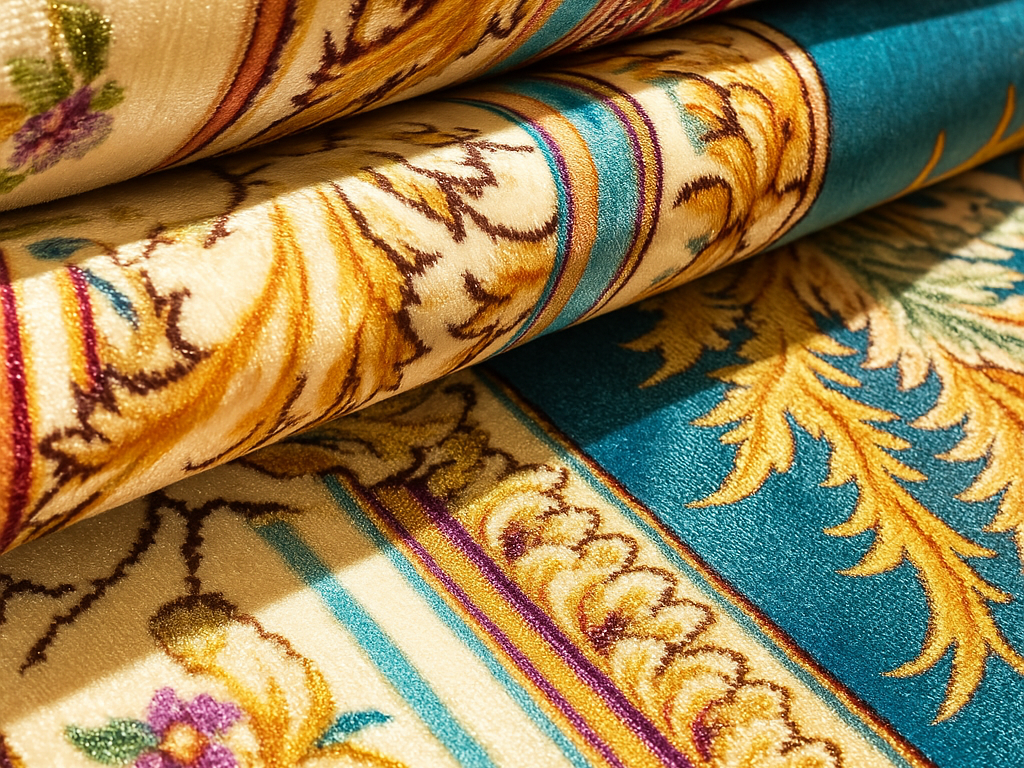
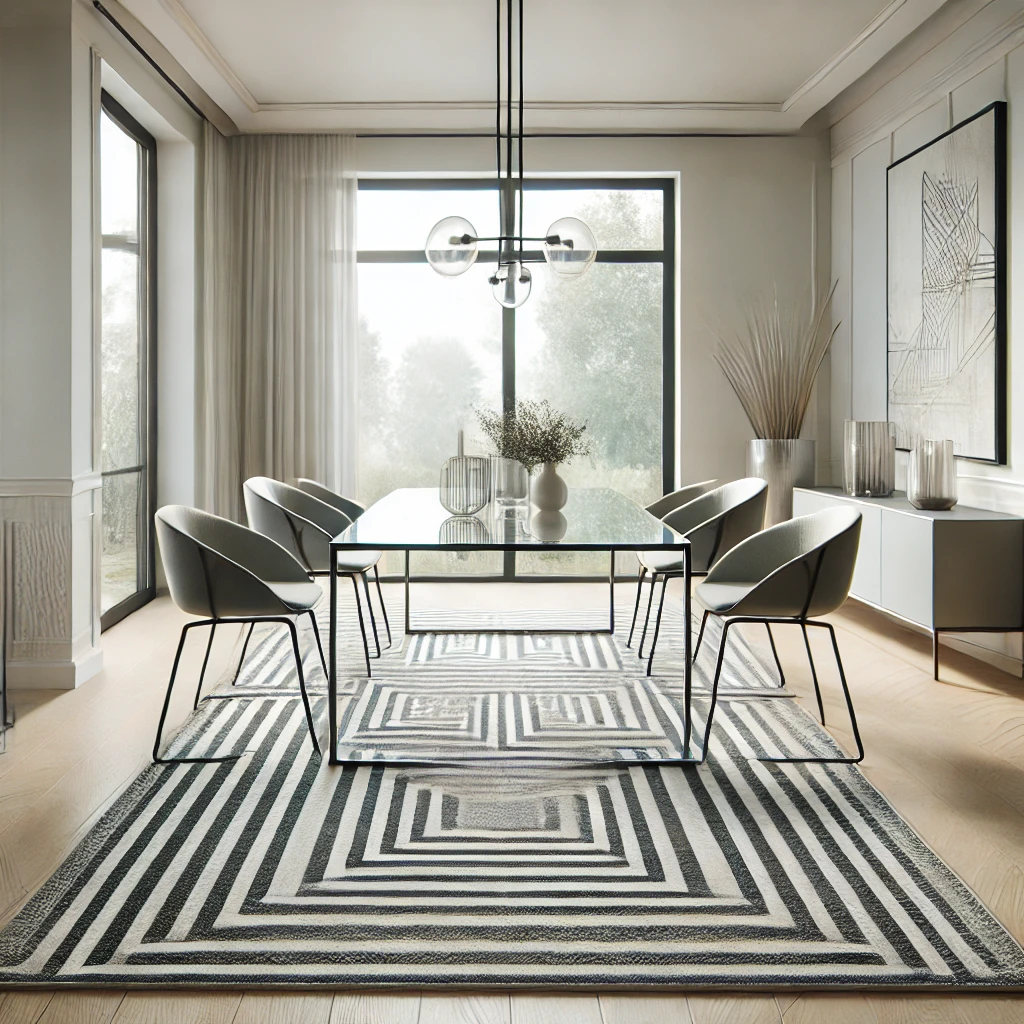
In interior design, a well-chosen rug can transform a room — not merely as a floor covering, but as a foundation, a mood‑setter, and a visual anchor. Among the many varieties, statement tufted rugs stand out for their ability to combine tactile comfort with bold graphic presence. Whether you’re furnishing a living room, an open‑plan loft, or a cozy reading nook, a statement rug can unify your furniture, define zones, and draw the eye — often acting as the glue holding disparate design elements together.
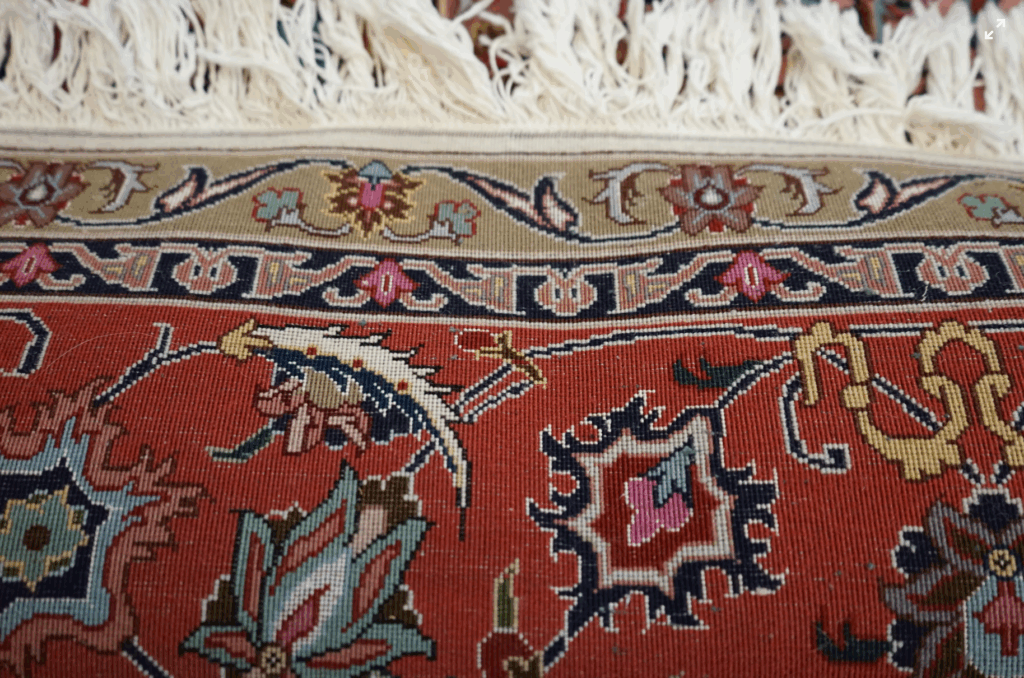
This article explores why statement tufted rugs deserve a central role in thoughtful interiors, how to choose and place them, and what aesthetic and practical advantages they bring. Along the way I’ll draw on industry knowledge, design theory, and data on materials and production — while keeping the style warm, human, and real.
1. What Makes a “Statement Tufted Rug”
Tufted rugs — whether hand‑tufted or machine‑tufted — are produced by inserting loops or tufts of yarn into a backing and then shearing the pile to create a dense, soft surface.
This technique offers a few essential advantages:
- Design flexibility: Because of how tufting works, the rug surface can yield intricate patterns, bold shapes, sculpted texture, or even three‑dimensional effects.
- Cost effectiveness: Tufting is less labor‑intensive than hand‑knotting; as a result, you get a high‑impact rug at a fraction of the price of a traditional handmade carpet.
- Comfort and practicality: A dense tufted pile feels soft underfoot, adds warmth (both visually and physically), and often resists stains or wear better than delicate woven rugs.
Why “Statement” Rugs? The Power of Bold Design
A “statement” rug goes beyond subtlety. These are rugs whose color, pattern, or texture grabs attention. They become focal points, anchor the room, and set the tone for the rest of the décor.
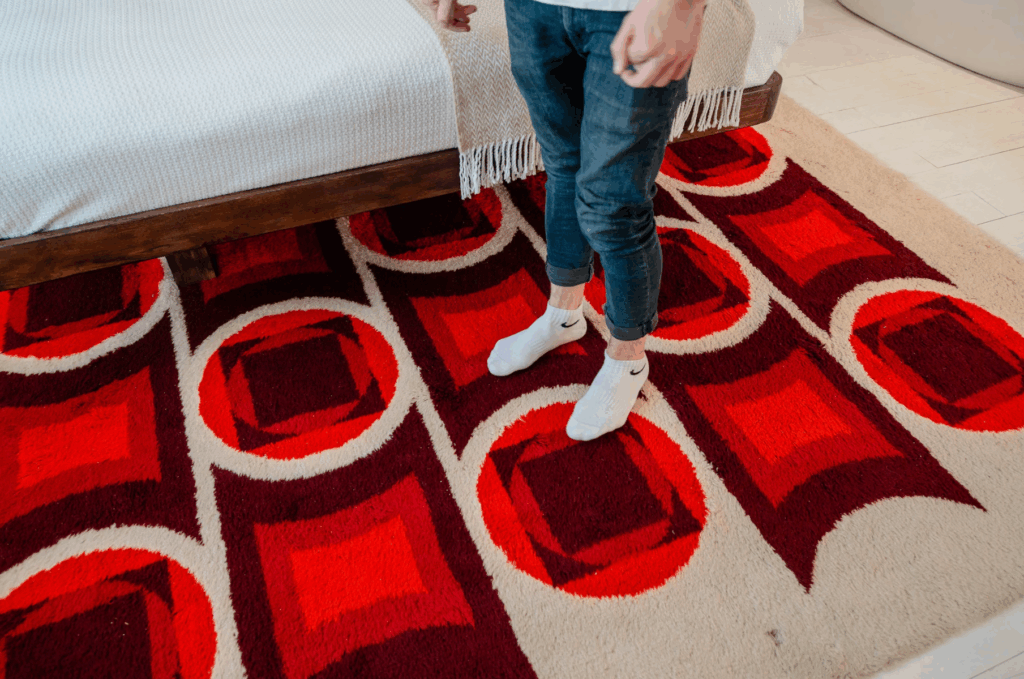
- With tufted rugs, bold can mean dramatic geometric patterns, abstract swirls, or heavy textures that cast shadows and catch light. This is harder to achieve with flat-woven rugs or simpler designs.
- Statement rugs reflect more than taste — they reflect personality. Especially when custom or limited-edition, they can become a unique expression of the inhabitant’s style, values, even identity.
- In contemporary interiors, statement tufted rugs often double as art pieces — functioning much like a painting on the wall, but underfoot.
Thus, a statement tufted rug isn’t just a practical flooring solution — it’s a declarative design move.
2. Why Bold Rugs Anchor a Space: Psychological & Spatial Effects
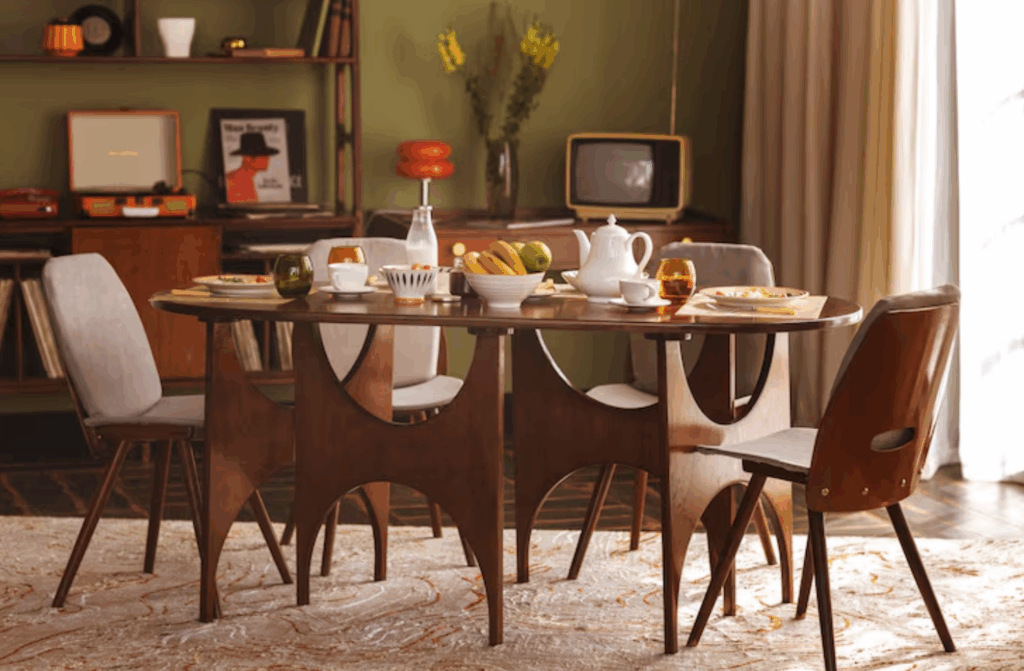
Visual Anchor & Zoning
In open floor plans or large rooms — living‑dining combos, studio lofts, or multipurpose spaces — it’s challenging to make each zone feel defined without erecting walls. A statement tufted rug does that beautifully.
- By placing the rug under a seating group, you visually group the furniture into a cohesive “zone.” Chairs, sofas, coffee tables — once arranged around a rug — feel like parts of a single design ensemble rather than disparate pieces.
- Similarly, in dining areas, an appropriately sized rug under the table defines the eating space subtly, avoiding the harshness of a border or barrier.
In effect, a bold rug becomes the “stage” on which the furniture performs. It gives the room structure.
Emotion, Mood & Color Psychology
Colors and patterns influence how a room feels. A statement tufted rug isn’t neutral by definition — and that’s part of its power. By choosing vivid or deep tones, you can set a mood from the ground up.
- Warm, saturated colors like reds, oranges, or terracottas add energy and encourage social activity — ideal for dining rooms, living rooms, or entertainment areas.
- Cooler or deeper tones — jewel‑like purples, plum, charcoal — can evoke calm, creativity, or sophistication, making them good for bedrooms, studies, or lounges.
- Even with neutral or subdued color palettes, the texture alone — the way tufted piles catch light, create subtle shadow and depth — adds dimensions. This layering of texture builds visual richness without needing additional décor.
Because a statement rug covers a significant area, these color and texture choices influence the entire room — from how light reflects to how comfortable and grounded the space feels.
Tactile Experience, Comfort & Acoustics
A room isn’t only experienced with eyes — it’s felt. Statement tufted rugs invite physical interaction:
- The soft pile underfoot encourages barefoot walking, lounging, or even floor seating. This tactile warmth can make a room feel more inviting and lived‑in.
- Tufted rugs also absorb sound. In rooms with hard flooring (wood, tile, concrete), they reduce echo and soften footsteps — creating a more serene atmosphere.
- Thermally, they add insulation: walking barefoot in winter on a dense rug is far more comfortable than on bare floor.
Thus, statement tufted rugs aren’t purely decorative — they enhance how a space feels, both physically and acoustically.
3. How to Choose and Use a Statement Tufted Rug

Think About Size & Scale
One of the most common mistakes with rugs is undersizing. A rug that’s too small will make furniture feel “floating” or cramped. Instead:
- Aim for rugs that let at least the front legs of sofas or chairs rest on the rug, which visually anchors them together. This ensures the seating zone feels intentional and unified.
- In open layouts, leave some floor space around the edges of the rug (not pushing it wall‑to‑wall) — this framing helps the rug assert itself visually and avoids a “floating carpet” awkwardness.
- For dining areas, ensure the rug extends beyond the table so chairs remain on the rug even when pulled out. This prevents the rug from looking misaligned when people shift chairs during meals.
Getting scale right turns the rug from “just another floor covering” to the visual foundation of your layout.
Select Colors and Patterns with Purpose
Since statement rugs attract attention, their color and pattern choices should be intentional:
- Bold but balanced: If your furniture and walls are neutral, a rug with bold patterns or saturated colors can bring life — but beware of overdoing it. Contrast and balance are key.
- Mood matching: Use warmer or energetic tones (reds, oranges, mustard) in social zones; cooler or more muted tones (plums, grays, earthy neutrals) in restful or contemplative spaces. As noted in color‑psychology guides, reds can increase energy and social interaction, while purples or neutrals can calm or refine.
- Texture over chaos: Sometimes, a neutral-colored tufted rug with a rich texture can make a stronger statement than a garish patterned rug. Texture gives depth and subtle interest without visual noise — ideal for minimalist or modern interiors.
Match Material and Pile to Purpose
Not all tufted rugs are the same — materials and pile height matter:
- Wool is a go-to for durability, warmth, and a plush feel. Many high-quality tufted rugs use natural wool or wool blends.
- For high-traffic spaces (living rooms, entryways), choose rugs with dense pile and durable backing. A well-made tufted rug can last years if cared for properly.
- If you expect spills or wear (e.g. households with kids or pets), synthetic blends or rugs with stain-resistant treatments can be a good compromise.
Also: maintenance is important. Rotate rugs periodically to prevent uneven wear; vacuum regularly; avoid placing tufted rugs in humid bathrooms where backing adhesives may degrade.
4. Where Statement Tufted Rugs Work Best
Living Rooms and Lounges
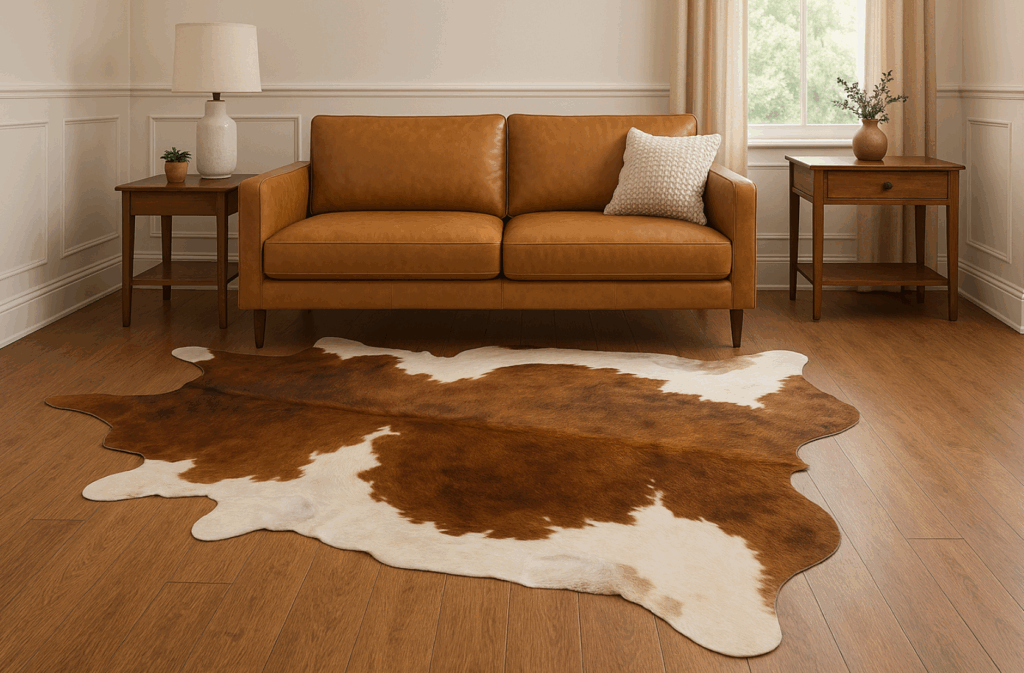
Perhaps the most natural home for statement rugs. A large tufted rug under a sofa, coffee table, and accent chairs draws the seating together. Mixed with textures — throw pillows, soft lighting, layered furniture — it can make even a modern, sparse space feel warm and inviting.
Large open-plan living rooms benefit especially well: the rug helps define the seating area without visual clutter and adds acoustic softness underfoot.
Dining Areas & Open-Plan Kitchens
In combined living-dining spaces or lofts, placing a bold rug under the dining table creates an “island” of its own. This distinguishes it from the living space without erecting physical barriers — ideal for fluid, multifunctional layouts.
Bold rugs in dining areas also invite energy and conversation (especially if using warmer tones) — making meals feel livelier and more social.
Entryways, Hallways & Transitional Zones
In entryways or hallways, a statement tufted rug can immediately set the tone for the home. It’s the first impression: a strong graphic or warm color palette can convey style and hospitality from the moment someone crosses the threshold.
Even in transitional zones — e.g., between living and dining — a bold rug can subtly guide movement while adding visual cohesion.
Bedrooms & Quiet Spaces (with Caution)
While bedrooms are often associated with calm and subtlety, a statement rug can still work — especially beneath a bed or seating nook. Think abstract shapes, muted jewel tones, or soft, sculpted textures rather than high-contrast graphics. The result? A cozy, grounded space that feels intentional and thoughtful.
However, it’s wise to avoid overly busy patterns or jarring color contrasts in intimate spaces — unless you specifically want a bold, eclectic vibe.
5. Why Statement Tufted Rugs Make Sense from a Brand Perspective (for a Rug Seller Like You)
If you’re selling rugs, emphasizing statement tufted rugs can be a strategic advantage. Here’s how this fits into a broader brand and marketing narrative:
Storytelling & Customization Appeal
Tufted rugs — especially custom ones — allow for personalization: unique color palettes, bespoke patterns, even custom shapes or sizes. This offers you a chance to market rugs not just as commodities, but as “art for floors” — pieces that tell a story or reflect a customer’s taste or identity. That narrative resonates more deeply with buyers than generic mass‑market rugs.
Trend Alignment & Versatility
As home interiors evolve, many designers and homeowners look for distinctive, expressive elements rather than neutral, “safe” choices. Statement rugs — bold, textural, and expressive — align well with trends toward individualized and expressive interiors.
Moreover, tufted rugs’ versatility (custom shapes, abstract patterns, earthy tones, modern geometry) allows your catalog to serve a wide range of customers — from minimalists to maximalists, from conservative to experimental.
Value Proposition: Design + Comfort + Affordability
Compared to high-end hand-knotted rugs (which can run into the thousands or tens of thousands), statement tufted rugs give customers a way to achieve “high design” at a lower cost — while still delivering comfort, durability, and visual impact. This makes them ideal both for first-time buyers wanting a “wow” piece and for seasoned decorators who want to refresh their space without huge expense.
Differentiation Opportunity
By offering bold, artistically‑driven, or customizable tufted rugs, your brand can differentiate itself from mass-market rug sellers. This positions you as a curator of design — not just a retailer of floor coverings.
6. Potential Pitfalls & Considerations
Using statement tufted rugs is powerful — but not without caveats. To make the most of them, beware of the following:
- Oversized patterns in small rooms: A very bold rug can overwhelm a small room, making it feel cluttered or visually heavy. In compact spaces, a subtle pattern or neutral-toned textural rug may be more appropriate.
- Wrong size/placement: As noted, a rug that’s too small or misaligned can make furniture look disconnected, or the whole room feel unbalanced. Always consider furniture layout and allow for proportional margins.
- High pile + heavy furniture: In spaces with heavy furniture or high traffic, a high-pile rug may crush or mat over time. Choosing durable materials and proper backing — or rotating/maintaining the rug — helps.
- Clashing color/style: A bold rug demands context. Without careful coordination with furniture, wall colors, lighting, and accessories, a statement rug may feel disjointed. Design cohesion is key.
When done thoughtfully, these challenges can be managed — and the results often repay the effort.
7. Quick Style Guidelines for Using Statement Tufted Rugs
| Scenario / Goal | Recommended Approach |
| Open‑plan living/dining room | Use a large statement rug under seating or dining area to define zones and anchor furniture. |
| Neutral/minimalist décor | Choose a rug with bold color or texture — simple furniture + dramatic rug = effortless balance. |
| Eclectic / maximalist décor | Go for abstract, vibrant, or patterned rug; coordinate with accessories for layered, curated look. |
| Small room / bedroom | Opt for subtler patterns or textured neutrals; avoid overwhelming boldness unless balanced with calm surroundings. |
| High-traffic areas (entryway, hallway) | Select durable, dense‑pile rugs with stain‑resistant fibers; moderate patterns to mask wear. |
8. What to Look for When Buying a Statement Tufted Rug
When selecting a statement tufted rug (from your own brand or another), bear in mind:
- Construction quality: Dense pile, secure backing, and even shearing. A well‑made hand‑tufted rug will hold up better over time.
- Material: Wool (especially natural or responsibly sourced) for longevity and softness; consider blends or synthetics if you expect heavy use or need stain resistance.
- Pile height and texture: High pile for plush comfort; sculpted textures for visual depth; flat or low pile for dining areas or high traffic zones.
- Color & pattern relative to room: Does it complement or clash with existing décor? Will it dominate or subtly support the room’s vibe? — Choose intentionally.
- Size and placement: Ensure the rug is proportionate, and furniture layout is considered so the room feels anchored rather than fragmented.
Doing this groundwork helps ensure the rug does what rugs are supposed to do — anchor, comfort, define, and elevate.
9. Conclusion
Statement tufted rugs are more than floor coverings — they are powerful design tools. With bold patterns, rich textures, and tactile comfort, they can anchor living rooms, delineate dining zones, warm up minimalist interiors, or add personality to neutral spaces. For a brand like yours, emphasizing statement tufted rugs is a compelling strategy: it offers customers aesthetic impact, comfort, versatility and — when done right — an expression of individuality.
When you choose wisely: correct size, suitable material, thoughtful color and placement — a statement tufted rug becomes the spine of a room. It’s where design, utility, and emotion meet.
If I were advising a homeowner or decorating a new space, I’d say: start with the rug. Let it guide the rest of the room.
10. FAQs
Q1: What exactly makes a rug “tufted”?
A: A tufted rug is made by punching loops of yarn into a backing cloth and then shearing (cutting) the loops to create a dense pile. This technique allows for flexible patterns, rich texture, and relatively lower cost than hand-knotted rugs.
Q2: Why choose a bold or statement rug instead of a neutral one?
A: A bold rug serves as a visual anchor — defining zones, drawing the eye, and setting the tone for your entire room. It adds personality and structure that a neutral rug may lack.
Q3: Will a statement tufted rug work in a small room?
A: It can — but you need to balance scale and pattern. In a small room, a large but simple statement (texture or color) works better than a very busy, high-contrast pattern. Proper size and placement are key.
Q4: Are tufted rugs durable enough for high‑traffic areas?
A: Yes — especially when made with quality materials (wool or durable synthetic blends), with a secure backing and dense pile. With proper maintenance, a good tufted rug can last many years.
Q5: How do I choose the right size for a statement rug?
A: As a rule of thumb, ensure the rug extends beyond the furniture legs (especially front sofa/chair legs) so the seating group feels anchored. Leave some floor space around the rug edges so it frames the design rather than overwhelms the room.