Designing or choosing a tufted rug isn’t just about color, pattern and style. Two technical but absolutely essential characteristics — the backing and the pile height — deeply influence how the rug feels underfoot, how it performs day after day, and ultimately how long it lasts. For a brand like Valhak, getting those details right is part of delivering a truly high-quality rug. In this post, I’ll walk you through why backing and pile height matter — what they do, how they interact, and how to choose the right combination for your needs.
1. What is “Backing” — and Why It Matters
The role of backing in a tufted rug
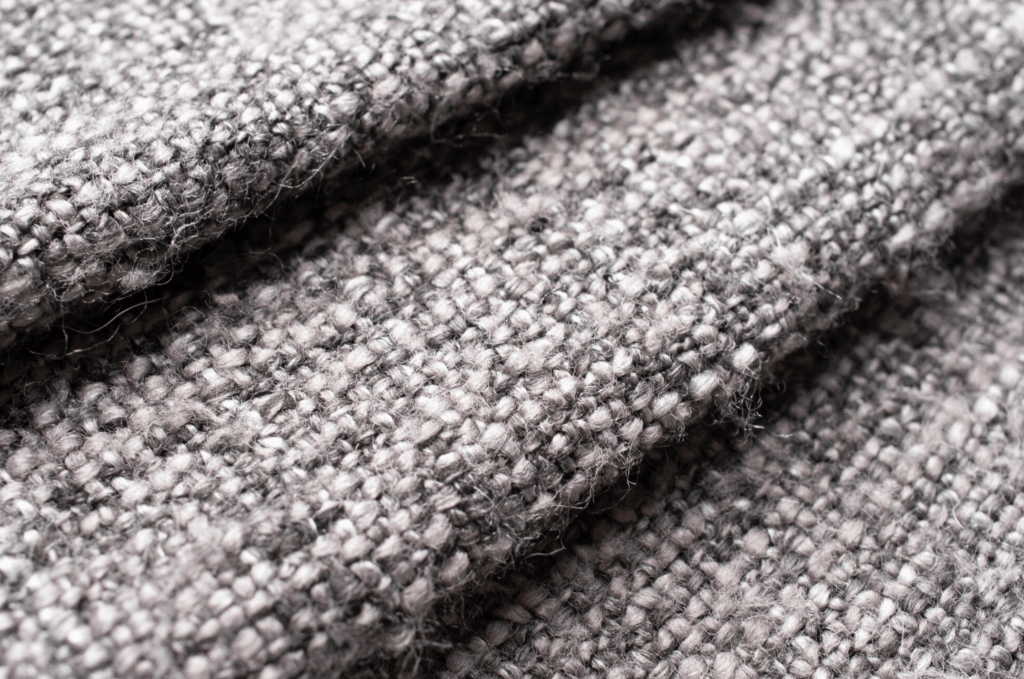
When we talk about a “tufted rug,” what we really mean is a layer of yarn tufts punched through a base cloth, then secured so those loops don’t pull out. The backing is that base cloth, along with any adhesives or secondary backing — the foundation that holds the rug together structurally. If the backing is weak or poorly constructed, the rug can degrade quickly, even if the surface fibers (the pile) are initially nice and soft.
Good backing does several important jobs:
- Anchoring the tufts — A strong primary backing (often cotton or cotton blend) gives the yarn something substantial to hold onto. Then an adhesive (often latex-based) secures each tuft so it doesn’t unravel.
- Stabilizing the rug structure — A secondary backing (canvas, felt, or other material) adds stability, protects the adhesive layer, and helps the rug lie flat and keep its shape over time.
- Preventing delamination / shedding — Over time, cheap adhesives or poor backing choices can lead to tufts loosening, shedding, or even the rug coming apart. Solid backing with good adhesive prolongs lifespan.
- Providing underfoot support and stability — The backing (and any secondary layer) gives the rug foundation so that the pile can cushion weight while evenly distributing pressure. A “bouncy,” resilient backing — e.g., latex rather than rigid PVC — can significantly improve comfort.
In short: backing is not a cosmetic afterthought — it is the structural backbone. A rug with luxurious fibers but poor backing may start soft and beautiful, but likely won’t age well.
What makes a “good” backing for tufted rugs
When evaluating backing quality, here’s what to look for:
- Strong, tightly woven primary backing fabric — often cotton or cotton-blend. This gives a solid base for tufts.
- Quality adhesive layer — typically latex-based, properly applied and cured to avoid cracking, brittleness, or odor over time.
- Secondary backing / reinforcement — a canvas or felt backing adds stability, protects the adhesive, and helps the rug lie flat. Without such reinforcement, rugs can become misshapen or uneven, especially under heavy furniture or frequent foot traffic.
- Edge finishing / secure binding — neatly finished edges (serged or double-stitched) help prevent fraying — a common failure point over time.
- Density / face-weight (i.e., how much fiber per area) — a denser tufting implies more fibers anchored per square inch; this gives both a fuller feel and increased structural integrity.
If you press your fingers into a tufted rug and you barely see the backing showing through — that’s usually a good sign of both density and proper construction.
2. What is “Pile Height,” and Why It Matters
Defining pile height
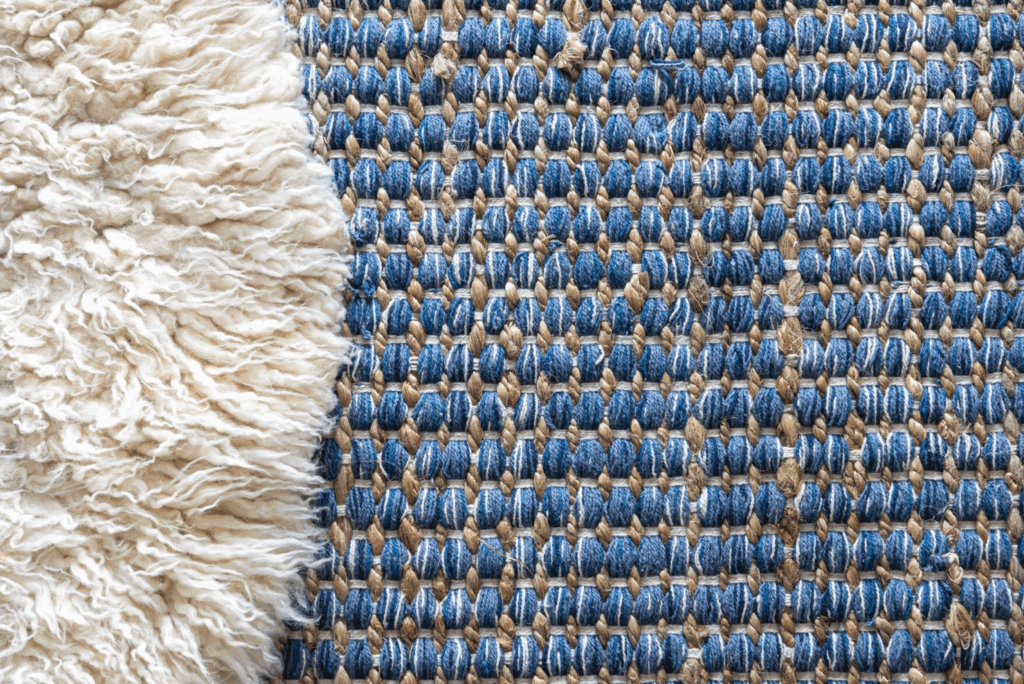
“Pile height” refers to the length of the rug’s yarn fibers as they extend from the backing to the surface. In simpler terms: how “tall” the rug’s pile is.
Pile height is typically categorized in ranges (though exact definitions vary):
- Low pile — short fibers, often less than roughly ¼ inch (≈ 3–6 mm)
- Medium pile — somewhere between low and high, often around ¼–½ inch (≈ 6–12 mm) depending on source.
- High (or plush) pile — long fibers, more than ~½ inch, sometimes significantly taller depending on style.
The pile height dramatically affects both how the rug feels underfoot and how it performs over time.
How pile height influences comfort
- Softness and cushioning: Taller pile rugs — with longer fibers — give a plush, cushy experience. They feel luxurious under bare feet, are often warmer, and add a cozy, inviting sense of comfort.
- Insulation and warmth: Higher piles trap more air and fiber, which can help insulate floors. This makes high-pile rugs especially good in colder climates or rooms where warmth underfoot matters (bedrooms, reading nooks, etc.).
- Visual and tactile luxury: High-pile rugs often create a sense of depth, texture, and softness that low-pile rugs can’t match — making them feel more like a carpet than a “rug,” offering a sense of indulgence.
But — and this is key — pile height is a trade-off, not an unalloyed good.
How pile height affects durability and maintenance
- Susceptibility to flattening & matting: Long fibers in high-pile rugs are more prone to flatten in areas of heavy foot traffic, under furniture, or with repeated use. As pile compresses, the rug loses its plush feel and may look worn prematurely.
- Cleaning difficulty: High-pile rugs tend to trap dust, dirt, pet hair, and allergens more than low-pile ones — the air gaps and deep fibers act like a net. That means more aggressive or frequent vacuuming (and often more effort) to keep them clean.
- Wear & tear under heavy use: In high-traffic zones (hallways, entryways, living rooms), high-pile rugs are often a poor choice because of the constant pressure on the fibers; they degrade faster, lose loft, or shed.
- Furniture & clearance issues: Tall piles can interfere with furniture stability. Chairs may wobble, furniture legs might sink unevenly, and doors may not swing freely over a thick rug.
- Insulation of dust & allergens: Because debris tends to settle deep, stains and spills — especially liquids — may soak deeper and be harder to remove, and allergens may accumulate over time.
Consequently, many experts and rug-makers recommend medium pile as the sweet spot for general home use — balancing softness with practicality.
3. The Interaction: Why Backing and Pile Height Must Work Together
Pile height doesn’t operate in isolation. The backing, the density (how many tufts per area), the yarn quality, adhesive, and finishing all interact — and mismatches can undermine comfort or durability.
For instance:
- A high-pile rug with low density may feel plush at first, but because the fibers are loosely packed, they’ll quickly compress under weight. Over a few months of regular traffic, the rug can flatten, look patchy, or lose its “fluffy” appeal.
- A good backing with proper adhesive + secondary backing is especially important for high-pile rugs. Without sturdy backing, the longer tufts may pull out or loosen over time, especially under shifting pressure from walking or furniture. That’s why a quality latex adhesive plus a stable backing foundation is essential.
- Conversely, a low-pile or medium-pile rug relies more on density and backing strength for resilience. Because the fibers are short, they don’t compress much — but if the backing is weak, the rug can distort, stretch, or edge-fray through everyday use.
In short: pile height demands backing quality — and vice versa. A plush, deep-pile rug needs a rock-solid structural foundation. A low- or medium-pile rug gets durability only if tufting density and backing stability are solid.
4. What This Means for Different Use Cases
Different rooms and lifestyles call for different rug constructions. Here’s a breakdown to help you choose the right configuration, depending on how you’ll use the rug.
| Use Case / Room | Recommended Pile Height & Type | Backing Considerations | Why This Works |
| High-traffic areas (entryway, hallway, living room) | Low to medium pile | Strong primary backing + sturdy adhesive + secondary backing (canvas/felt); well-finished edges | Shorter fibers resist matting/flattening; easier to clean; durable under frequent footfalls. Backing stability preserves structure and prevents fraying or adhesion failure. |
| Family homes / Pets / Kids’ rooms | Medium pile (some cushioning but practical) | Secure backing to handle spills, pet movement, occasional cleaning; consider secondary backing for stability | Medium pile balances softness and resilience. Backing strength helps manage spills, vacuuming, and wear from pets/furniture. |
| Bedrooms / low-traffic cozy spaces | Medium to high pile | Strong backing and dense tufting; good adhesive + secondary backing for structural integrity | Longer pile gives plush comfort under bare feet, warmth, softness. Backing + density ensures that the softness doesn’t collapse too quickly even with occasional foot traffic. |
| Decorative rugs or occasional-use rooms (formal dining, reading nook, etc.) | High pile / plush style | Premium backing, high density, excellent finishing — ideally with high-quality materials (natural fibers, secure glue) | Offers maximum comfort, softness, and visual luxury; backing and density preserve aesthetic over time even with minimal wear. |
5. For a Brand Like Valhak: What to Prioritize
At Valhak — where quality, comfort, and longevity define the brand — the logic should go deeper than “this rug looks nice.” If you want your customers to enjoy rugs for years (or decades), here’s what I’d recommend emphasizing in your materials and product descriptions:
- Use strong primary and secondary backing — don’t cut corners. Clearly state backing materials (cotton, canvas, felt, latex adhesive), and ideally highlight any tests or certifications that ensure durability.
- Specify pile height + density together — e.g., “medium pile (approx. 8–10 mm) with high tuft-density” — so buyers understand the balance between softness and durability.
- Match rug style to use-case — for high-traffic rugs (entryways, living rooms), offer low-to-medium pile; for bedrooms or cozy spaces, offer medium-to-high pile. Provide guidance in product descriptions.
- Finish edges properly — serged or double-stitched edges help prevent fraying. Without that, even a well-made rug can unravel along the border.
- Advise on maintenance — especially for deeper-pile rugs: vacuuming frequency, type of vacuum (suction-only, no aggressive brushes), occasional professional cleanings, rotating to reduce uneven wear, maybe use of a rug pad.
- Educate customers — many buyers choose rugs based on looks alone. Use blog content (like this one) to explain why backing and pile height matter — this builds trust and positions Valhak as a “smart” brand that values longevity.
6. Common Misconceptions (and Why They’re Risky)
- “The plusher the pile, the better.” Not always. A high-pile rug can feel like a dream underfoot — but if the backing is weak, or the density is low, it will flatten, shed, or wear prematurely. Softness without structural soundness is a trap.
- “All backing materials are the same.” Wrong. Cheap backing or adhesives (PVC, weak glue) may crack, peel, or lose grip — leading to tufts loosening, shedding, or rug distortion. Always check what backing materials are used.
- “You can skip secondary backing — it’s just extra cost.” That undermines stability. Secondary backing helps protect adhesive, prevents shifting or stretching, and keeps rug flat over time. A rug without it may warp, especially under furniture.
- “Rug maintenance isn’t important; fibers will bounce back.” Actually, neglecting vacuuming, not rotating rugs, or ignoring cleaning needs is often what kills a rug’s lifespan — even if it’s well made. This is especially true for medium/high-pile rugs where dust and debris accumulate deep inside.
7. Practical Tips for Buyers (and for Valhak Customers)
If you’re shopping for — or designing — a tufted rug, here’s a quick checklist to keep in mind (and to explain clearly to your customers):
- Press fingers gently into the pile: if you can see the backing through the fibers, density may be low.
- Ask or check for backing details: primary backing material, type of adhesive, presence of secondary backing, edge finishing.
- Choose pile height based on usage and traffic: high-traffic → low/medium; cozy bedroom → medium/high.
- For medium/high piles: commit to regular, gentle vacuuming (ideally suction-only), occasional deep cleaning, and rotation to prevent wear patterns.
- Consider using a rug pad: this can improve underfoot comfort, help with furniture stability, and protect the backing (especially on hard floors).
- If you have pets, children, or heavy furniture — go for higher density, lower-to-medium pile, and strong backing.
8. Conclusion
Backing and pile height may sound like technical, behind-the-scenes qualities. But they are two of the most important determinants of how a tufted rug feels, performs, and lasts. A luxuriously soft pile means little if the rug’s foundation is weak — it will flatten, shed, or distort over time. And a sturdy backing without thoughtful pile height and density may give longevity but little comfort or warmth.
At the end of the day, the best rugs — and those worth investing in — find the sweet spot: a balanced pile height, dense tufting, quality backing, and thoughtful construction. For a brand like Valhak, prioritizing these details isn’t optional. It’s essential to delivering rugs that stand the test of time while giving genuine comfort underfoot.
9. FAQs
Q1: What exactly is “pile height”?
A: Pile height is the length of the rug’s yarn fibers from base (backing) to tip — how tall the pile is.
Q2: Does a higher pile always mean a softer rug?
A: Generally yes — longer fibers usually feel softer and plusher underfoot. But softness only lasts if the rug also has good density and solid backing.
Q3: Why does the backing matter so much?
A: Because it anchors the tufts, keeps the rug’s structure stable, prevents unraveling or shedding, and helps the rug lie flat and bear weight over time.
Q4: What pile height is best for high-traffic areas?
A: Low to medium piles — they resist matting, are easier to clean, and generally last longer under constant use.
Q5: Can a high-pile rug ever last long in a busy home?
A: Yes — if it’s well constructed: high tuft density, quality backing (primary + secondary), strong adhesive, and properly finished edges. Regular maintenance helps too.