Putting a beautiful tufted rug in your space isn’t just about color or texture. Even the most striking rug can wreck a room’s balance if placed poorly — the wrong size, poor alignment, or ignoring traffic and furniture layout can make a space feel awkward instead of intentional. As a rug retailer, we at Valhak have seen countless rooms “almost perfect” — only to be thrown off by simple rug-placement missteps. In this article, we dig deep into common mistakes (especially with tufted rugs), why they happen, and how to avoid them so your rug truly anchors your space.

1. Why Rug Placement Matters
A rug isn’t just a floor covering — it’s the foundation of a room’s layout and mood. When done right, a rug:
- Grounds furniture and makes a room feel cohesive rather than “floated.”
- Defines zones in a room — useful in open-concept layouts or multipurpose spaces.
- Improves flow and proportions — giving furniture breathing room and preventing crowding.
For tufted rugs — with their distinctive texture, weight, and often bold style — placement becomes even more important. Their presence is meant to add warmth, character, and tactile comfort — but only if they’re anchored thoughtfully.
2. Common Mistakes in Tufted Rug Placement
Here are the most frequent missteps homeowners (and sometimes even pros) make when placing area rugs — especially tufted ones.
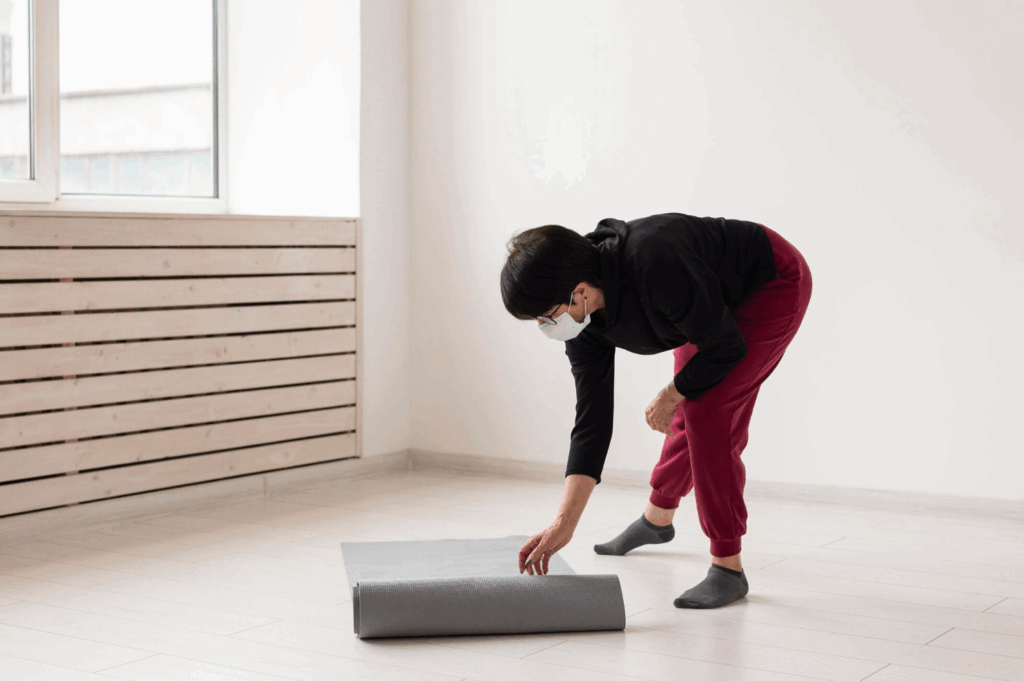
Mistake 1: Choosing a Rug That’s Too Small (the “Floating Stamp” Effect)
Perhaps the most pervasive error: going with a rug that’s too small for the space or furniture. When a rug is undersized:
- It creates what designers call the “postage stamp” effect — a tiny square “floating” in the center of the room.
- The furniture around it seems disconnected, and the room feels fragmented rather than unified.
- The space might end up looking cramped, or conversely — oddly spacious around the edges, losing intimacy.
Many rug-placement guides warn that a smaller rug is often worse than no rug at all.
In many typical living rooms, an 8×10 ft or 9×12 ft (or larger) rug works best — especially when the seating area includes a sofa, chairs, and a coffee table.
Mistake 2: Off-Center or Misaligned Rug Placement
Even a well-sized rug can throw off a room when misaligned. Common alignment mistakes include:
- Centering under the wrong element (e.g., coffee table instead of seating group) or sliding the rug too far left/right. As some designers note — rugs should often be centered under the seating or aligned with architectural features like a fireplace or bay window.
- Rug edges pushed flush against walls — which kills the sense of space and layout definition.
- Uneven exposure of floor around the rug, which can throw off visual balance.
This is especially noticeable when the rug is heavier or more textured (as tufted rugs often are): the eye naturally expects symmetry; misplacement draws attention to what’s “off.”
Mistake 3: Disconnect Between Rug and Furniture — “Floating Rug” or “Furniture Off the Rug”
A frequent design faux pas: placing the rug separate from furniture, or putting just a portion of the furniture on it. This tends to make the seating area feel disjointed.
Some of the sub-cases:
- Floating accent rug: rug under coffee table only, while sofa/chairs sit off the rug. Works only if the rug is purely decorative and you want a subtle accent — but often misused.
- Partial anchoring: only front legs of sofa/chairs on the rug (back legs on bare floor). Acceptable in smaller rooms — but only if intentional and looks balanced.
- Inconsistent anchoring: different pieces of furniture with different placement logic leads to visual chaos.
Especially with tufted rugs — which tend to have presence and texture — letting them “float” away from furniture wastes their anchoring potential and can make the space feel unfinished.
Mistake 4: Ignoring Room Size, Shape, and Traffic Flow
Too often, people pick a rug based on what looks good in a catalog without measuring the room or considering how people move. This leads to issues such as:
- A rug that’s too large — pushing against walls, leaving no border, overwhelming the room.
- Blocking doorways or traffic areas — awkward for movement, and especially problematic with high-pile rugs like tufted types, which might snag doors or cause tripping hazards.
- Rug orientation that conflicts with the room’s natural flow — e.g., placing a rectangular rug perpendicular to the main walkway.
In open-concept or irregularly shaped spaces, this oversight can spoil even the best rug.
Mistake 5: Not Leaving a “Border” or Border Too Narrow / Too Wide
A rug flush against the wall often feels static and cramped. On the other hand, leaving too much exposed floor can make the rug look lost. Good guides suggest:
- Leaving about 12–18 inches of bare floor around the rug to frame the rug and prevent the “wall-to-wall carpet” look.
- Ensuring there’s enough clearance between rug and walls or doors so the room still feels open.
This “breathing space” lets the rug anchor the room without overwhelming it.
3. Why Tufted Rugs Need Extra Attention
Tufted rugs — because of their pile, thickness, and often rich design — can exaggerate poor placement errors. Some reasons:
- Their texture draws the eye: a misaligned, small, or “floating” tufted rug becomes visually obvious.
- High pile or tufted edges might snag on doorways or furniture if placed without clearance.
- The furniture-anchoring rules become more important: If you only place a tufted rug under a coffee table but have a heavy sofa nearby, that sofa might feel disconnected (or the rug might shift under weight).
- The “weight” (both visual and physical) of the tufted rug tends to demand stronger layout discipline — you can’t fudge proportions.
Therefore, placing a tufted rug requires not just an eye for design but discipline in measurement, alignment, and layout.
4. How to Avoid These Mistakes: Best Practices for Tufted Rug Placement
Based on the pitfalls above — and drawing on interior design guidelines — here’s a practical checklist you can follow when placing a tufted rug in your home.
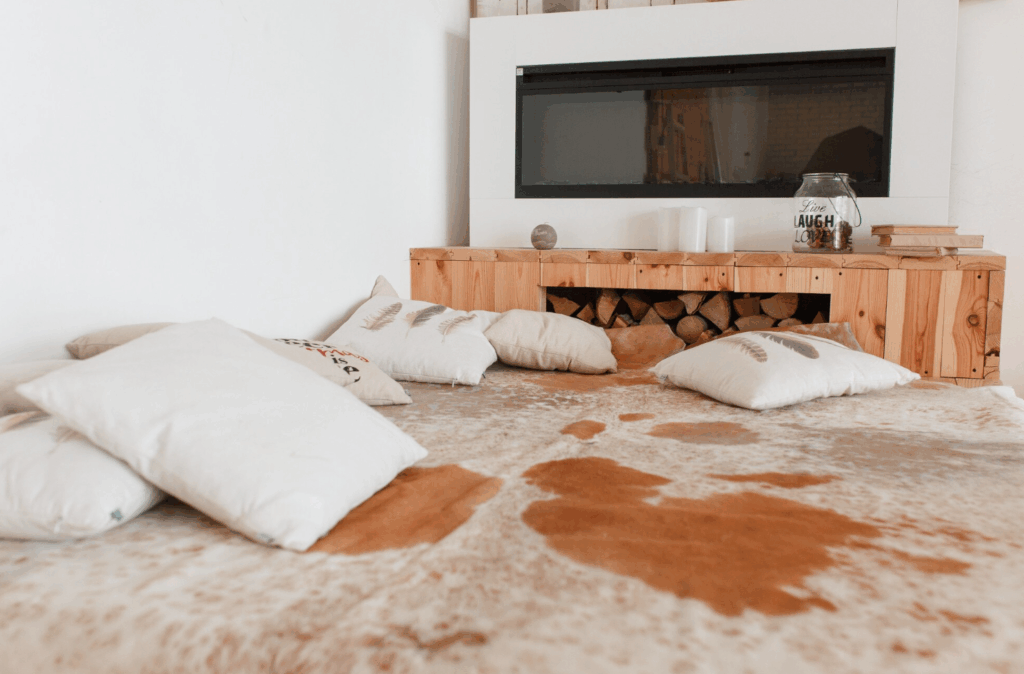
Measure your room and furniture first
- Before ordering a rug (or before laying it down), measure the seating group: sofa width, chair placement, spacing. Then measure possible rug sizes.
- Use painter’s tape on the floor to outline different rug sizes — this mental mock-up helps you avoid mistakes.
Choose the right size
- For small rooms: consider a 5×8 or 6×9 rug — but make sure at least the front legs of the sofa/chairs sit on it.
- For medium living rooms/seating groups: 8×10 often works — especially if the rug will go under coffee table and front legs of sofa/chairs.
- For larger or open-concept spaces: 9×12 or larger — ideally enough to accommodate entire furniture pieces.
Anchor furniture intentionally
- If space allows: place all furniture (sofa, chairs, side tables) on the rug — this is the strongest approach for cohesion.
- If not possible: at minimum, ensure the front legs of sofas/chairs are on the rug — better than none.
- Avoid placing only a coffee table — unless the intent is a decorative accent, not a seating anchor.
Center and align with room’s architecture / furniture layout
- Align the rug with the major architectural or functional axis: e.g., parallel to the longest wall, or oriented toward a fireplace or a large window.
- Ensure symmetry wherever possible — especially in formal spaces.
Leave a consistent border of exposed floor
- Roughly 12–18 inches from the walls — framing the rug and giving the room breathing space.
- Make sure doors, walkways, and traffic paths aren’t blocked or disrupted by the rug — especially for tufted rugs where edges might catch or pile might shift.
Consider traffic flow and furniture arrangement changes
- If you expect to rearrange furniture or open/close doors, ensure the rug placement adapts — don’t lock yourself into a rigid layout.
- In spaces with high foot traffic, a tufted rug might work best under stationary furniture (like a sofa or coffee table), rather than inside a walkway.
When in doubt — err on the side of larger rug
- Many design experts say: if it’s between two sizes, pick the larger. A slightly oversized rug gives a sense of luxury, cohesion, and visual expansion.
5. Special Considerations for Tufted Rugs
Because tufted rugs differ from flat-weave or low-pile rugs, these additional considerations are helpful:
- Stability & padding: Pair a tufted rug with a quality rug pad to prevent slipping or bunching — important if some furniture rests on the rug.
- Door clearance & pile height: Check doors (closets, cabinets, rooms) — tufted rugs with high pile may snag or hinder movement.
- Texture & foot traffic: In high-traffic zones, too much tuft or deep piles may flatten quickly — consider lower-profile tufted rugs or avoid placing where wear will concentrate.
- Visual weight & balance: Because tufted rugs draw the eye, avoid overloading the room with other heavy textures or pattern-heavy furniture nearby. Use negative space — e.g., bare floor border — as a “breather.”
6. Conclusion
Tufted rugs can transform a space — bringing warmth, texture, and a sense of grounding. But beauty alone isn’t enough. Without careful consideration of size, furniture layout, alignment, and room flow, even the most elegant rug can look out of place. Avoiding common pitfalls like undersized rugs, off-center placement, disconnected furniture, or clogged traffic flow ensures that your rug doesn’t just sit in the room — it anchors and enhances it.
7. FAQs
Q: What happens if my rug is a bit too small for the room?
A: A too-small rug often feels like a “floating stamp” — making furniture look disconnected and the room disjointed. It may visually shrink the space instead of tying it together.
Q: Can I place a tufted rug under just the coffee table?
A: You can — but only if the rug is meant as an accent, not as the foundation for a seating zone. For seating areas, rugs ideally should anchor furniture (sofa/chairs) too.
Q: How much floor should be exposed around a rug?
A: Designers generally recommend leaving about 12–18 inches of bare floor around the rug so it frames the room and avoids a wall-to-wall carpet effect.
Q: Is it okay if only the front legs of furniture sit on the rug?
A: Yes — for smaller rooms or limited space, having just the front legs of sofas or chairs on the rug still helps visually anchor the seating group.
Q: My room is open-concept. How do I place a tufted rug without breaking the flow?
A: In open spaces, use the rug to define a “zone” — e.g., align it with the seating cluster, leave clear walkways, anchor furniture thoughtfully, and ensure enough border around rug edges to separate it from other zones.