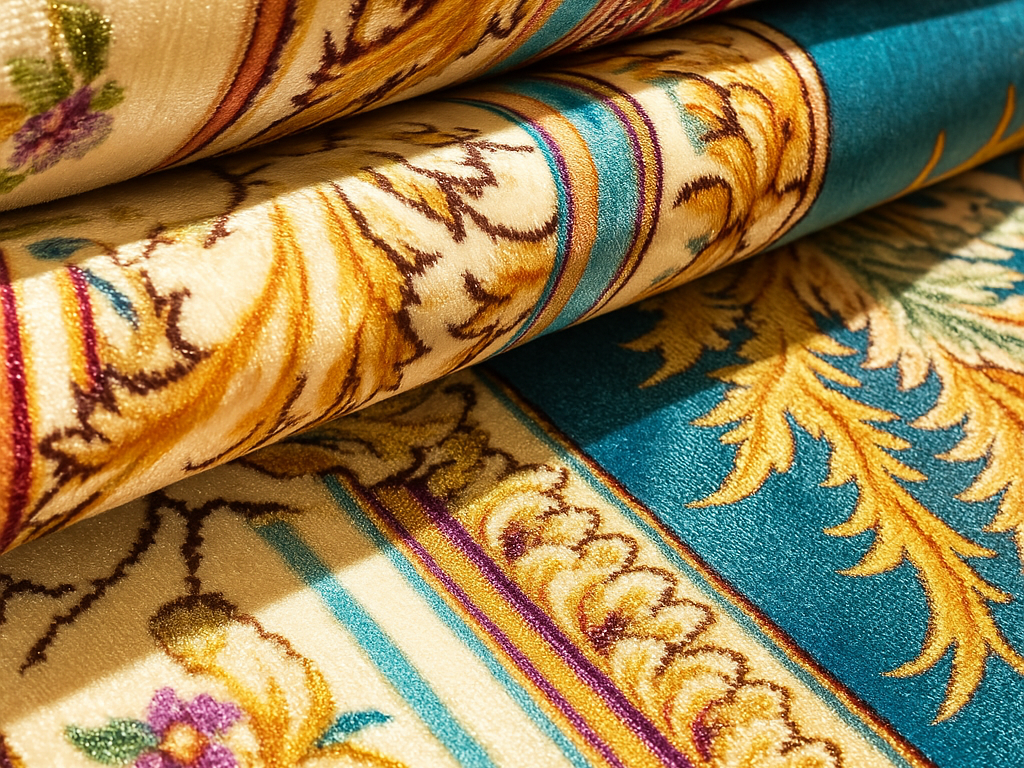
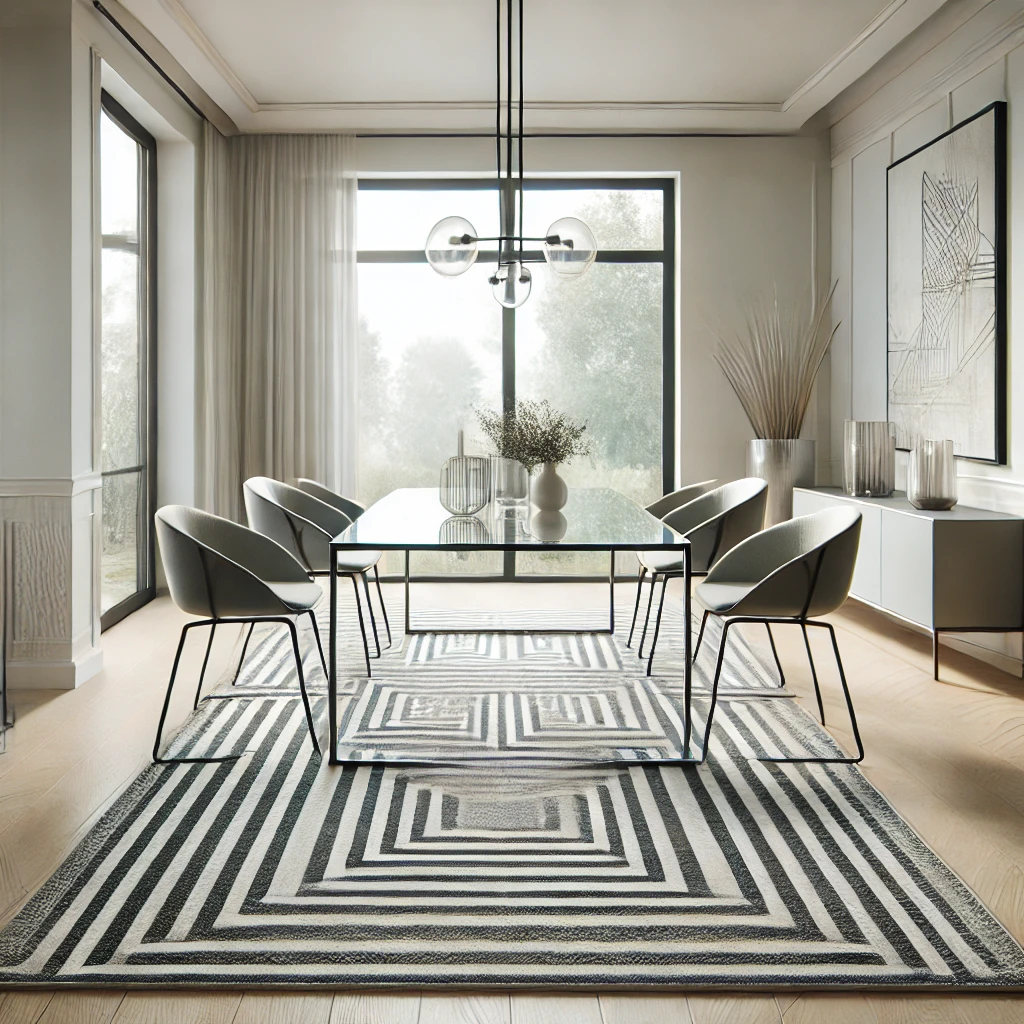
The world of interior design is always moving — subtly evolving. In the coming years, tufted rugs are poised to become even more central to how we fashion and feel our living spaces. As we at Valhak look ahead, we see tufted rugs not just as floor coverings, but as expressive statements — textured, color-rich, and deeply personal. Below is a forward-looking exploration of the tufted-rug styles and design directions we believe will gain momentum.
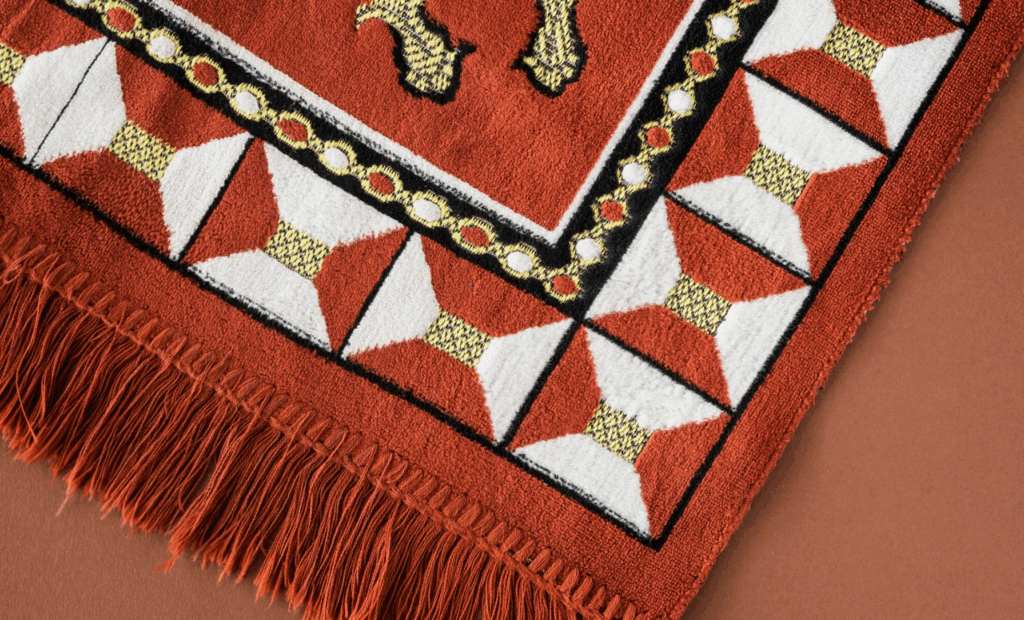
1. Why Tufted Rugs Are Gaining Momentum
Before diving into specific styles, it’s worth asking: Why tufted rugs—and why now?
- Texture, tactility, and comfort — A growing number of designers and homeowners value tactile comfort and dimensional design underfoot. Tufted rugs, with their ability to offer plush pile, varied pile heights, and sculptural depth, are ideal for this need.
- Versatility in aesthetic expression — Compared to flat-weave rugs, tufted rugs can accommodate a wide range of colors, patterns, and textures, making them suitable for minimal, maximal, boho, vintage, or modern homes.
- Sustainability and materials innovation — There’s a rising desire for eco-conscious home decor. Many rug makers are now combining natural fibers (like wool, jute) or recycled materials (e.g. recycled PET) to produce tufted rugs that are both beautiful and responsible.
- Rug-as-art — statement pieces instead of background — As interiors become more personal and expressive, rugs are less about blending in and more about standing out: as art underfoot. Abstract, sculptural, or boldly patterned tufted rugs are becoming central elements of room design.
Given these forces, the arrival of several “next wave” tendencies seems inevitable. Below are the tufted-rug styles we forecast will rise.
2. Dusty Jewel Tones & Moody Colors: Depth, Drama, and Sophistication
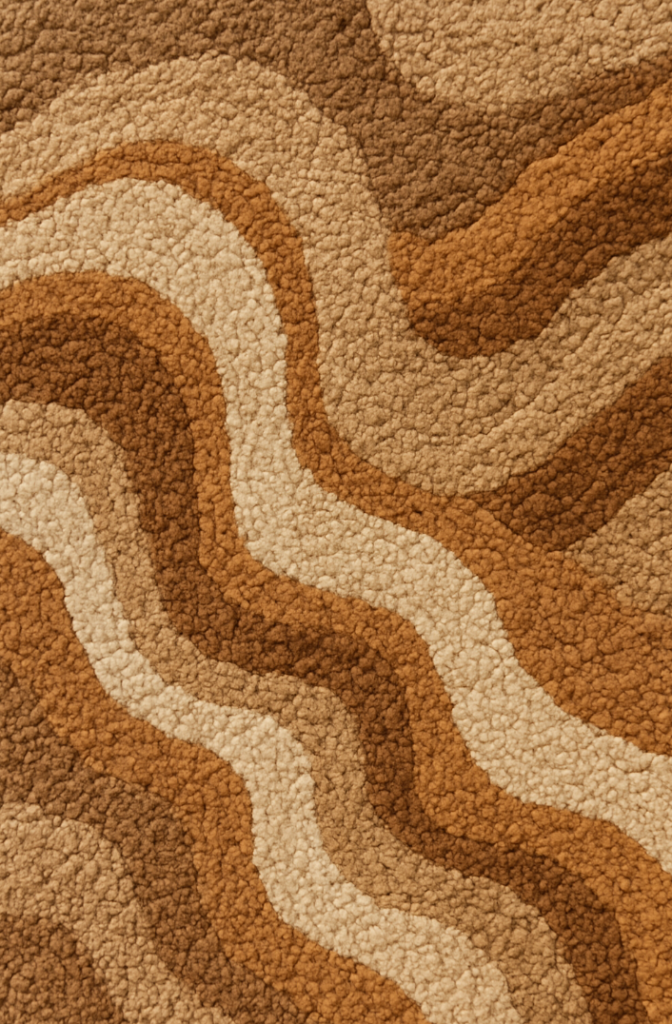
One of the strongest and most enduring trajectories for tufted rugs lies in earthy tones and organic textures — a direction rooted in the desire to bring calm, grounded ambiance into modern homes.
Why this matters
- People increasingly appreciate biophilic design: connecting interior spaces to natural textures, colors, and moods.
- Neutral or earth-toned rugs offer a versatile base that works in many decors — minimalist, rustic, Scandinavian, transitional.
- The warmth and subtlety of these colors can serve as a backdrop to bolder furniture, art, or decor, offering balance and cohesion.
What to expect
- Color palette: Clay, terracotta, sandy taupe, soft ochre, olive, sage green, muted beige — all bringing a sense of calm and rootedness.
- Materials and textures: Natural fibers like wool + jute blends; hand-tufted wool; low- to mid-pile with slightly irregular or organic textures evoke warmth and tactility.
- Use cases: Perfect for living rooms aiming for cozy minimalism, bedrooms seeking serenity, or interiors with wood, stone, or greenery — spaces that emphasize nature, calm, and subtle luxury.
In many homes, these earthy rugs will function as the calm anchor, allowing other design elements — furniture, art, accessories — to shine.
3. Sculptural, Multi-Pile & High-Low Pile Rugs: Texture as Design Language
An exciting evolution in tufted rug design lies not just in color, but in texture, pile height variation, and sculptural depth. Rugs are shifting from two-dimensional floor coverings to quasi-art installations underfoot.

What’s fueling this shift
- A growing appetite for tactility — people want to feel design under their feet, not just see it.
- New tufting techniques (cut-and-loop, high-low sculpting, carving) make it possible to create rugs with a 3D feel: raised motifs, tactile contrast, shadows, and sculptural forms.
- These rugs fit beautifully in homes that appreciate material integrity, handmade touches, and sensory richness.
What to expect
- High-low pile rugs: Areas where the pile height varies — some sections plush and deep, others cut short — creating a subtle relief pattern that invites touch and changes appearance with light and movement.
- Carved tufted rugs: Raised motifs, sculptural shapes, sometimes floral or geometric carvings — rugs that almost “sculpt” the floor.
- Multi-material mixes: Blending wool with jute, or even recycled fibers, to create rugs that have zones of softness, zones of rustic roughness, zones of sheen.
- Rug-on-rug layering: Many designers are stacking a sculpted/tufted rug over a flatter natural-fiber base (like jute or sisal), to create depth and definition.
These sculptural rugs are not just functional—they’re experiential. They invite touch, invite light interplay, and encourage people to interact with their environment in a more physical, sensual way.
4. Organic Geometry, Abstract & Painterly Patterns — Rugs as Art
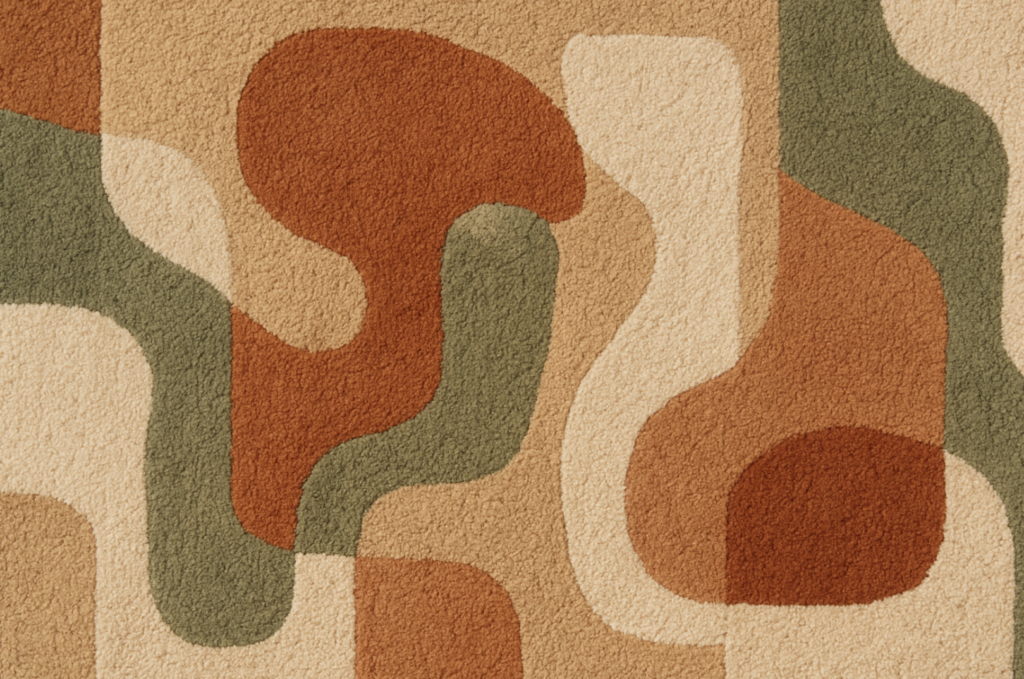
For years, rugs were synonymous with symmetry — Persian patterns, repeating geometrics, traditional motifs. The next wave? Organic geometry, painterly abstractions, and patterns that feel more like art than floor cover.
Why this resonates now
- Interiors are becoming more curated and personal: people want their homes to reflect personality, mood, and artistic taste rather than follow formulaic patterns.
- As walls and furniture become simpler (neutral sofas, minimal lighting), rugs provide the opportunity to become a focal point — with design complexity, pattern, and emotion.
- Artistic rugs allow for strong, expressive statements — perfect for maximalist or contemporary interiors.
What to expect
- Organic geometry & asymmetry: Irregular shapes, broken grids, trapezoids, overlapping geometries, fluid lines — designs that feel hand-drawn, spontaneous, or algorithmic rather than formally patterned.
- Abstract or painterly motifs: Rugs that resemble abstract paintings — fluid color washes, brushstroke-like textures, gradient transitions, or even AI-inspired fractal-based patterns. These rugs act as floor-level artworks.
- Pattern drenching and layering: Designers are increasingly blending rugs with other patterned elements (textiles, upholstery, decor) for a rich, layered aesthetic — where the rug is part of the overall tapestry of pattern, rather than a standalone afterthought.
Imagine a living room with a neutral sofa, warm wood, simple walls — and underfoot, a rug that feels like a subtle watercolor painting or an abstract canvas. That’s the power this trend is giving.
5. Vintage-Inspired & Retro Reimagined Tufted Rugs: Nostalgia with a Twist
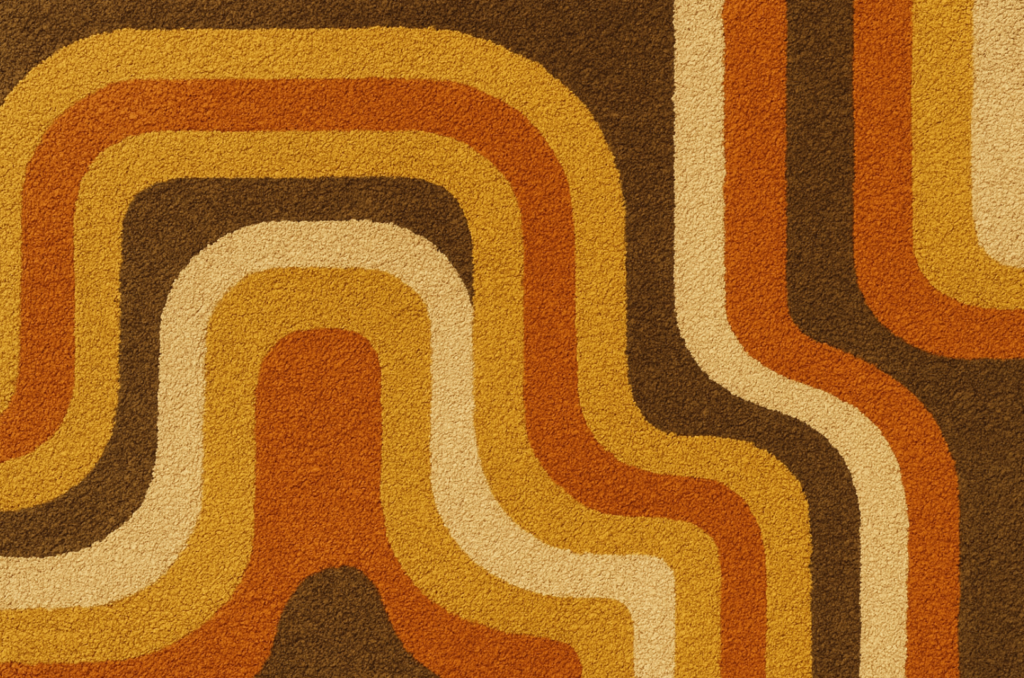
Nostalgia never really left interior design — but as tastes evolve, the way we evoke the past changes. The next generation of vintage-inspired tufted rugs will bridge old-world charm with modern sensibilities.
Drivers of this resurgence
- A desire for history, depth, and character within living spaces. Many homeowners seek warmth and heritage, but also want to stay rooted in contemporary living standards.
- A shift away from pristine, brand-new spaces toward “lived-in,” curated, cozy interiors — homes that feel collected over time, not staged.
- The versatility of tufted production, allowing classic rug motifs (tribal, Persian, Oriental, tribal) to be reinterpreted with modern colors, pile techniques, or softened contrast.
What to expect
- Muted, softened palettes: Classic rug patterns (oriental, tribal, Persian) rendered in terracotta, ochre, clay, dusty olive, sunbaked browns — rather than harsh blacks, reds, or high-contrast colors.
- Distressed or “worn-in” aesthetics: Rugs that look as though they’ve aged gracefully — slightly faded, with softly blended edges, creating the sense of an heirloom or a treasured piece.
- Retro patterns reimagined: Think 1970s- or 1980s-inspired geometrics, tribal motifs, or vintage florals — but updated with contemporary colors or subtly modernized shapes.
For many homes, these rugs will serve as the connective thread — tying modern furniture to vintage decor, or linking contemporary interior choices with nostalgic warmth.
6. Customization, Sustainability & Functional Practicality — The New Expectations
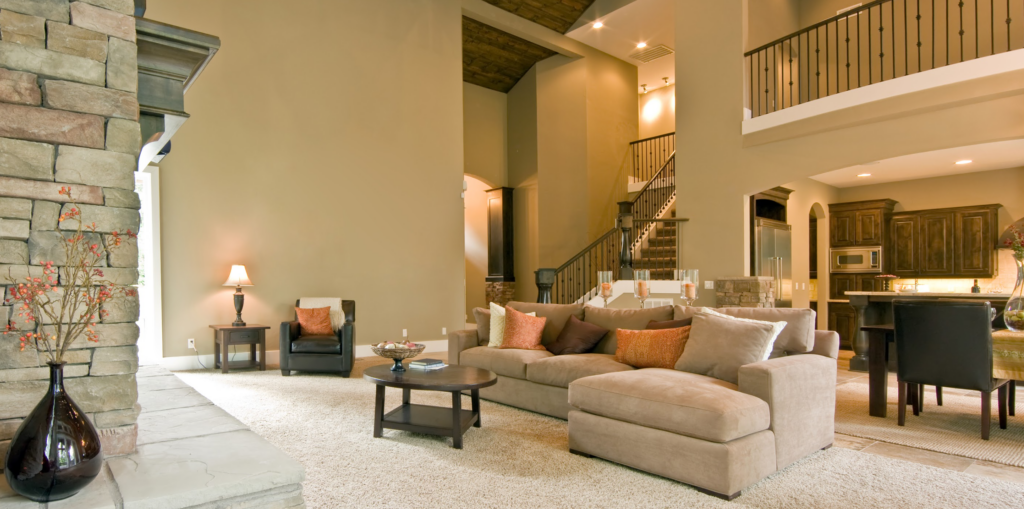
Beyond shape, color, and pattern, the next years will see an increased emphasis on customization, sustainability, and real-world functionality — especially as lifestyle changes (pets, kids, home offices, sustainability concerns) shape purchasing decisions.
Key shifts
- Made-to-order rugs: Buyers increasingly want rugs sized and colored to their unique spaces — from narrow hallway runners to oversized living-room statement pieces — rather than one-size-fits-all.
- Eco-conscious materials: Recycled fibers (like PET), natural or plant-based dyes, sustainable production methods; demand for rugs that align with environmental values.
- Functional rugs for everyday life: Rugs that are stain-resistant, easy to clean, safe for kids and pets, slip-resistant, and durable. As homes become more dynamic (multi-use spaces, work-from-home, kids playing on floors), these features will matter more than ever.
Essentially: rugs are no longer just decorative investments — they’re lifestyle pieces. Consumers will expect they not only look good but also live well.
7. Where We See These Trends Taking Hold — Contexts & Interiors
Different rug styles will shine in different settings. Here are a few likely “hot zones” where tufted rug trends will flourish:
| Interior / Use Case | Recommended Tufted Rug Style(s) |
| Living rooms aiming for cozy modern minimalism | Earthy-toned, low- to mid-pile tufted rugs in clay, sage, taupe — grounding the room while letting furniture and art pop. |
| Formal sitting/dining rooms, urban apartments, luxe homes | Dusty jewel-toned rugs (emerald, midnight blue, plum) or sculptural multi-pile rugs to add depth and sophistication. |
| Boho, eclectic, maximalist, or artistically styled spaces | Abstract/painterly, organic geometry, or pattern-drenched rugs that serve as statement pieces — possibly layered over natural fiber rugs. |
| Traditional, transitional, or retro-inspired homes | Vintage-style or retro-reimagined tufted rugs — distressed, softened patterns, warm palettes — echoing heritage while staying contemporary. |
| Homes with pets, kids, heavy foot traffic | Durable, easy-to-clean, sustainable-material rugs with functional features (stain resistance, low shedding, slip-resistance), possibly with customizable size or pile height. |
| Custom-fit spaces (narrow hallways, odd layouts, unique interiors) | Made-to-order tufted rugs — either subtle earth-toned or bold patterned — tailored to size, shape, and use-case. |
As the lines between “decor” and “function” blur, tufted rugs of the future will be chosen as much for daily life as for aesthetic aspirations.
8. What This Means for Valhak — Opportunities & Strategic Direction
As a brand focused on tufted rugs, Valhak is especially well-positioned to embrace these upcoming trends. Here’s how we might align future collections with the forecasted trajectory:
- Expand Earthy & Nature-Inspired Collections — Build a line that emphasizes organic palettes (clay, terracotta, olive, soft taupe), natural fiber blends (wool + jute), and low- to mid-pile textures.
- Introduce a “Dusty Jewel / Moody Elegance” Series — Create rugs in deep jewel hues (muted emerald, midnight blue, smoky plum), possibly with subtle pile variation, to appeal to more upscale or dramatic interiors.
- Offer Sculptural & Multi-Pile Pieces — Experiment with high-low tufting, carved motifs, or mixed-pile rugs for customers who want a rug as a design centerpiece.
- Develop Abstract / Organic Geometry / Artistic Rugs — Collaborate with artists or designers to translate abstract paintings, fluid forms, or algorithmic designs into tufted rugs — focusing on painterly rugs, asymmetric shapes, modular rugs.
- Release Vintage-Inspired & Retro Lines — Reimagine classic tribal/oriental motifs with updated color palettes and softened contrasts. Offer “distressed finish” rugs that evoke history without sacrificing durability.
- Offer Customization & Sustainable Options — Provide customers the ability to choose size, color, fiber mix, pile height, and even custom motifs; use recycled fibers and eco-friendly dyes for sustainability-minded buyers.
- Emphasize Practicality and Functionality — Market rugs not only as beautiful design objects, but as durable, easy-to-clean, pet-friendly, and long-lasting staples suitable for everyday life.
9. Conclusion
As interior design continues to evolve, tufted rugs are emerging as one of the most compelling forms of expression underfoot. From earthy, grounding rugs to sculptural high-pile art pieces, from dusty jewel-toned statements to vintage-inspired treasures — the future of tufted rug design is rich, textured, and deeply personal.
For homeowners and designers alike, tufted rugs will no longer be an afterthought. Instead, they will be central to how we define space, mood, and personality — a foundation that both anchors a room and expresses individuality.
10. FAQs
Q1: What exactly is a tufted rug — and how is it different from a woven or flat-weave rug?
A: A tufted rug is made by pushing loops of yarn through a fabric backing and then cutting or retaining loops to form pile. This allows for denser, plusher textures and varied pile heights (cut-pile, loop, high-low), unlike flat-weave rugs which are woven and tend to be thinner and flatter.
Q2: Will tufted rugs shed or wear out faster than hand-knotted rugs?
A: Not necessarily. Quality tufted rugs—especially those with good backing and dense pile—can be durable and long-lasting. Shedding is sometimes more noticeable at first, but high-quality wool or fiber blends largely stabilize over time.
Q3: Are tufted rugs easy to maintain, especially with pets or kids in the house?
A: Yes — many modern tufted rugs are designed for functionality. Options include stain-resistant or easy-clean fibers, low- to mid-pile rugs that resist matting, and rugs with non-slip pads or rubber backing for safety.
Q4: What styles of interiors work best with tufted rugs?
A: Virtually any. Tufted rugs are versatile — they can ground minimalist rooms, add luxury to formal interiors, complement boho or maximalist decors, or bring nostalgia to vintage-inspired spaces. Their flexibility in color, texture, and pile makes them suitable across varied design aesthetics.
Q5: Is sustainability a trend in tufted rugs — and can I get eco-friendly options without sacrificing quality?
A: Definitely. Many newer rugs use natural fibers (wool, jute), recycled fibers (e.g. recycled PET), or environmentally friendly dyes and backing — offering sustainable rugs that are durable, beautiful, and suitable for modern living.