Tufted rugs hold a special place in interior design for their plush texture, versatile styles, and rich color palettes. But what if you’re thinking beyond just the living room or bedroom? Could a tufted rug serve equally well in a sunroom, on a covered patio, or even outside under more exposed conditions?

In this in-depth guide, we at Valhak Rugs explore the possibilities, challenges, and practical strategies for using tufted rugs in transitional spaces — and even outdoors — without sacrificing style or longevity.
1. Understanding Tufted Rugs: Construction & Materials
Before considering how and where to place a tufted rug, it’s essential to understand how tufted rugs are made and what materials go into them — because not all tufted rugs are created equal.
- How tufted rugs are made: Tufting involves pushing yarn through a fabric (usually a woven backing) with a tufting gun to form loops or cut piles. Unlike hand-knotted rugs, which knot each fiber individually, tufted rugs are much faster to produce and generally more affordable.
- Common fibers: Tufted rugs can be made from a variety of yarns — natural fibers like wool, cotton, jute, or synthetic fibers such as polyester or polypropylene.
- Backings and adhesives: The backing cloth and the glue that adheres the tuft to the backing are also critical. For outdoor or semi-outdoor use, strong waterproof adhesives and backings that resist moisture are much more suitable.
- Shedding: It’s common for new tufted rugs to shed a bit at first, as some loose fibers work their way out.
2. Can Tufted Rugs Be Used Outdoors?
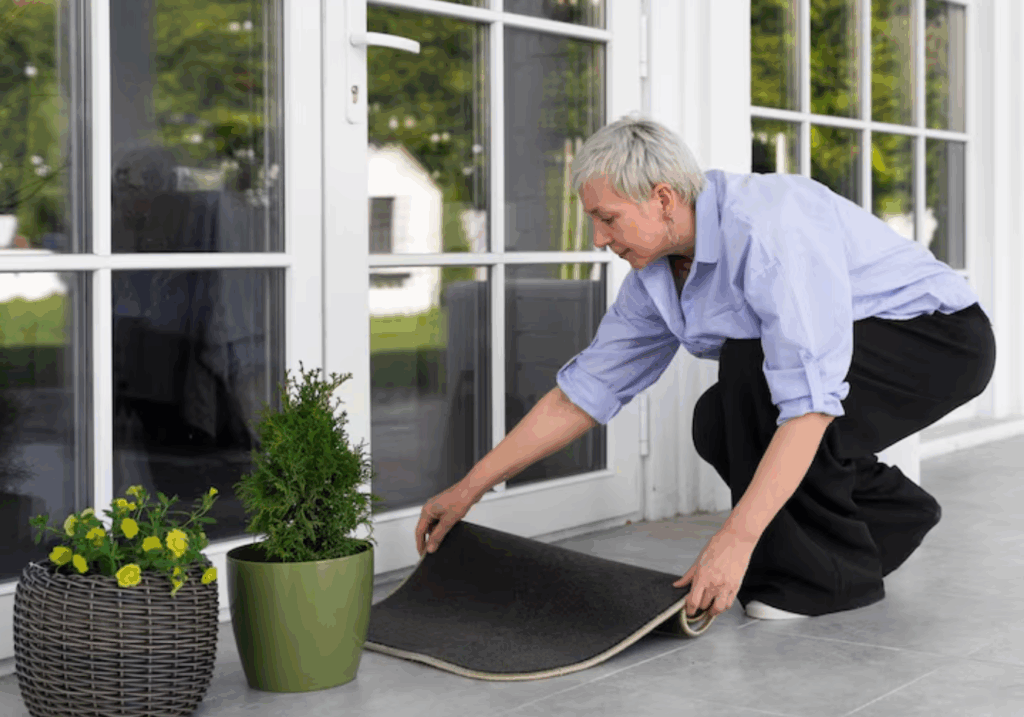
In short — sometimes, yes. But whether it’s a good idea depends heavily on the specific conditions of your outdoor or transitional space, plus the design and construction of the rug.
Typical Risk Factors
- Sun exposure & UV fading: Prolonged sunlight can fade rug colors over time, especially if the dyes or fibers are not UV-resistant.
- Moisture, mold & mildew: Traditional tufted rugs, especially those made from natural fibers or with moisture-sensitive backing, may absorb water, which can lead to mold or mildew buildup.
- Glue failure: If the adhesive that fixes the tufts to the backing is not waterproof or mildew-resistant, it might degrade when exposed to humidity or wet conditions.
- Weight and drainage: Tufted rugs, especially those with dense or high pile, are heavier and may trap water or debris, making drying slower and cleaning more difficult.
- Trip hazard: A high-pile tufted rug may pose a trip hazard in outdoor settings where the surface beneath might be uneven.
When It Can Work: Ideal Scenarios
That said, with the right design choices and placement, tufted rugs can perform well in certain outdoor or semi-outdoor environments:
- Covered areas: Sunrooms, screened porches, covered patios are ideal because they offer protection from rain while still allowing light and air flow.
- Mild climates: Regions with moderate weather, less extreme sun or rain, or seasonal outdoor use are more forgiving.
- Tufted rugs made for outdoor use: Some manufacturers specifically design tufted rugs with outdoor-grade materials — UV-stable yarns, water-resistant backings, and strong adhesives.
- Temporary or seasonal placement: Rolling out a tufted rug for summer and storing it during wetter months can greatly prolong its life.
3. Why Consider a Tufted Rug in Transitional Spaces
Before we dive into how to do it, let’s talk about why you might want a tufted rug in a sunroom or patio in the first place:
- Comfort underfoot: Tufted rugs, with their pile, feel cozy and soft — much more luxurious compared to flatweaves or typical outdoor rugs.
- Style continuity: If your indoor decor uses tufted rugs, bringing that same look into your sunroom or patio creates a seamless design flow.
- Temperature regulation: A tufted rug adds insulation, helping moderate the feel of a patio or sunroom floor, especially in climates with cool mornings or evenings.
- Noise dampening: Pile helps absorb sound — great for echo-prone spaces like enclosed patios or sunrooms.
- Definition of space: In a large transitional area, a tufted rug can anchor seating zones or dining areas, giving the space more structure.
4. Choosing the Right Tufted Rug for Outdoor or Transitional Use
So, if you’re ready to try a tufted rug in a more exposed space, here are guidelines to choose wisely.

Material Matters
- Synthetic fibers: Polyester, polypropylene, or other performance yarns are preferred. They resist moisture, fade, and mildew much more than natural fibers.
- Color-fast dyes: Make sure the yarns are dyed in a way that resists UV fading.
- Backings & adhesives: Look for rugs with polyester backings and waterproof, non-dissolving adhesives.
Construction & Design
- Pile height: A lower pile is more practical for semi-outdoor use because it’s easier to clean and dries faster.
- Weave tightness: A denser tufting will shed less and resist flattening or damage.
- Binding/serging: Edges should be well-finished to prevent unraveling when exposed to elements.
Labeling & Specifications
- Check if the rug is labeled indoor/outdoor or “all-weather.” Many rug manufacturers explicitly design some tufted lines for outdoor or transitional use.
- Read product care tags carefully: if it’s not rated for outdoor use, you risk serious wear or damage.
Match to your Climate
- Wet climates: Prioritize water resistance, fast-drying materials, and breathable rug pads.
- Sunny/hot climates: UV resistance is crucial. Otherwise, rug colors will rapidly fade.
- Windy areas: Heavier rugs or securing systems (like non-slip pads or grippers) help keep the rug in place.
5. Installation & Placement Tips for Outdoor or Transitional Use
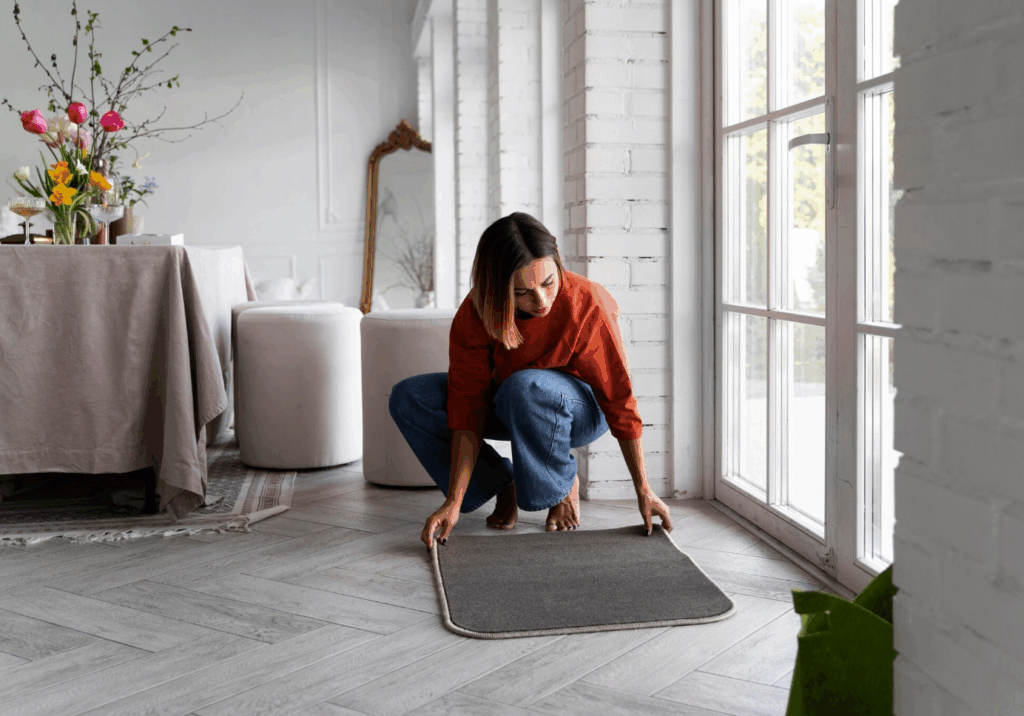
Once you’ve chosen an appropriate tufted rug, installing it thoughtfully can make all the difference in how well it performs.
Choose the right spot
- In a sunroom or covered patio, place rugs under seating rather than in high-stress traffic pathways.
- Anchor the rug with furniture: ideally, at least the front legs of chairs/sofas should rest on the rug to stabilize it visually and physically.
- Avoid placing tufted rugs under fire pits or grills—they’re often flammable or sensitive to heat.
Use a breathable rug pad or gripper
- A breathable pad allows air circulation and drainage, reducing moisture buildup underneath.
- Avoid pads that trap water or non-breathable materials; they can accelerate mildew formation.
Layering
- If your space permits, you can layer a flat, weather-resistant rug underneath your tufted layer. This gives a base that’s easier to clean and protects the tufted rug from direct contact with moisture.
6. Maintenance: Cleaning & Care
Maintaining a tufted rug in a transitional or semi-outdoor environment requires more diligence than a typical indoor room, but with care, you’ll extend the rug’s lifespan and preserve its beauty.
Routine Cleaning
- Vacuuming: Use a low-suction vacuum to avoid damaging the fibers or pulling tufts out.
- Spot cleaning: For spills, blot immediately using a clean cloth. Use diluted mild detergent mixed with water, then rinse thoroughly.
- Seasonal deep clean: At least once a season (or more, depending on usage), clean both sides of the rug. For semi-outdoor use, you can use a hose and mild soap.
- Drying: After cleaning, dry the rug completely in open air (ideally in the shade) before placing it back.
Preventing Mold & Mildew
- Ensure airflow under the rug — don’t press it flat to the ground for long periods, especially in humid weather.
- Store the rug rolled (not folded) when not in use, in a dry, ventilated space.
- Avoid covering your rug with non-breathable materials — air circulation is key.
Long-Term Protection
- Rotate your rug periodically so that wear and fading happen evenly.
- Secure edges if pet or heavy foot traffic tends to catch them.
- For months when you don’t plan to use the rug, roll it up carefully and store off the ground.
7. Design & Styling Advice for Transitional Spaces
How do you make a tufted rug not just functional, but a design asset in your patio or sunroom? Here are some helpful tips:
- Color continuity: Use similar color families indoors and out. Smaller variations in hue help the space feel cohesive.
- Texture contrast: Pair the plush pile of a tufted rug with hard surfaces — stone, tile, or wood floors — to create a balanced, layered look.
- Layer for dimension: Try layering a flatwoven, weather-resistant rug under your tufted rug (as mentioned in maintenance). This enhances depth and protects the tufted layer.
- Furniture placement: Use your seating arrangement to anchor the rug. When the furniture legs rest on the rug, the space feels intentional and grounded.
- Use accessories: Accents like potted plants, cushions, and throws can help blend indoor-style comfort with garden or patio aesthetics. Stick to neutral or muted tones if you want harmony with outdoor furniture.
8. Risks and Trade-offs to Consider
While tufted rugs offer a luxurious and warm texture, choosing them for outdoor or transitional use is not without trade-offs. Here are some potential downsides to keep in mind:
- Durability risk: Unless specifically manufactured for outdoor use, tufted rugs may degrade faster than purpose-built outdoor rugs.
- Maintenance burden: Higher pile means more difficulty cleaning, more moisture retention, and possibly more shedding.
- Cost vs. longevity: You may end up spending more per usable year than a synthetic flatweave rug designed for hard outdoor use.
- Safety concerns: In windy or wet environments, heavy tufted rugs can bunch or shift, potentially causing slips or trips.
- Storage needs: If you bring your tufted rug in during bad weather or off-season, you need adequate, breathable storage space.
9. Conclusion
Tufted rugs are beloved for their plush feel, design versatility, and comfort — but they’re not always the obvious first choice for outdoor or semi-outdoor spaces. With thoughtful selection, careful placement, and disciplined maintenance, however, they can work beautifully in sunrooms, covered patios, or other transitional zones. Choosing the right materials, properly anchoring the rug, and committing to regular cleaning and storage can turn tufted rugs into a stylish, functional asset that bridges indoor warmth with outdoor living.
10. FAQs
Can any tufted rug go outside?
Not really — only tufted rugs specifically built with outdoor-grade materials (UV-resistant yarns, waterproof backing, etc.) are suitable for long-term outdoor use.
How do I clean a tufted rug that’s outdoors?
Vacuum gently, spot clean with mild detergent and water, rinse, and make sure to dry it completely in the open air.
Will my tufted rug fade in the sun?
Yes, unless it’s made with color-fast, UV-stable dyes, the sun can gradually fade the rug’s color.
Is it safe to leave a tufted rug on a patio during rain?
It’s risky if the rug is not designed for moisture — it can absorb water, breed mold, or damage the backing.
How should I store a tufted rug when not in use?
Roll it (don’t fold), keep it in a dry, well-ventilated space, and avoid covering it with plastic or non-breathable materials.