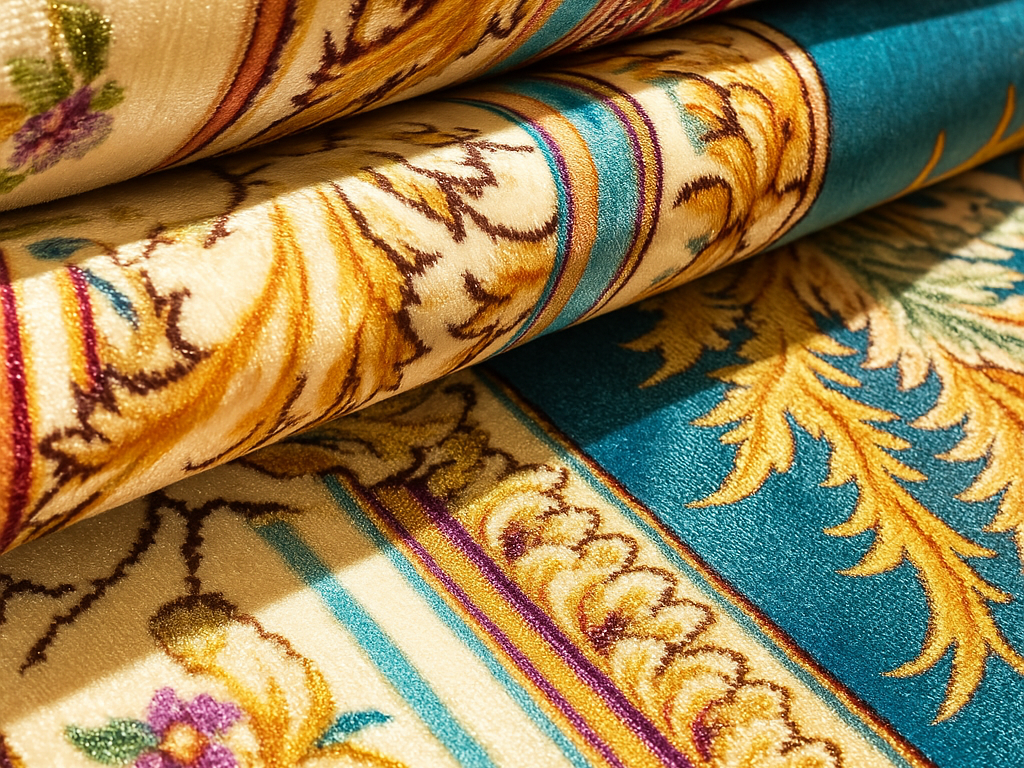
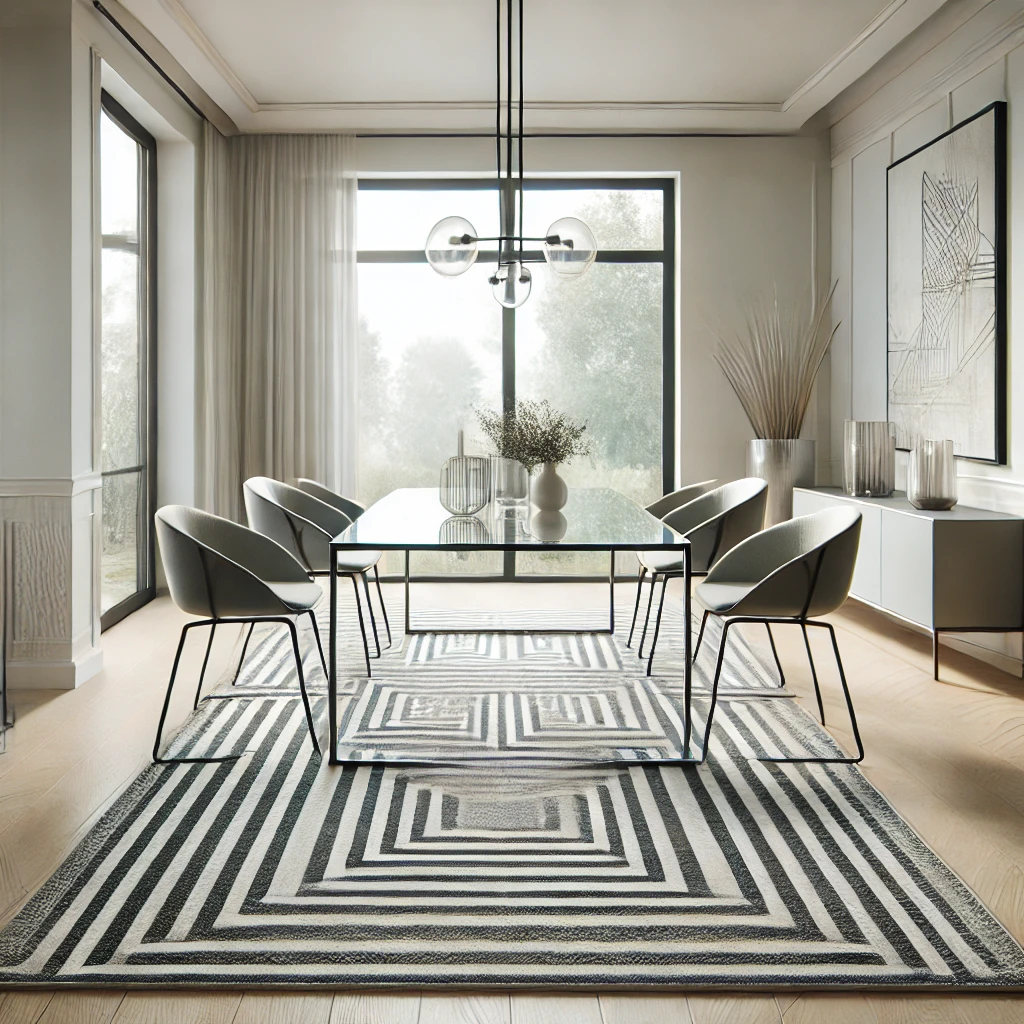
Rugs tell stories. A well-worn, used, or vintage rug can carry decades — sometimes generations — of life in its fibers: footsteps, sunlight, shifting furniture, and even the quiet passage of time. For a buyer, that patina, that imperfection, can feel like history underfoot.
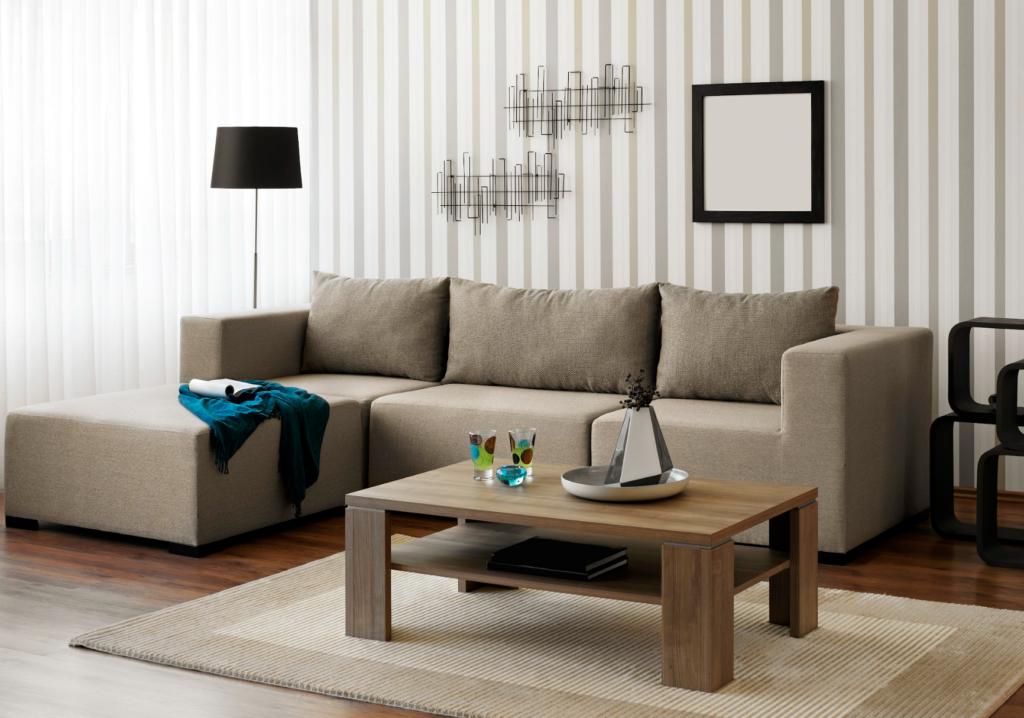
But there’s a difference between a genuinely lovely, lived-in rug and one that is simply worn out, damaged, or artificially distressed. Especially when you consider tufted rugs — a popular, more affordable kind of handmade rug — the line between a treasure and a trap can be surprisingly thin.
In this post, we’ll guide you through what to inspect when buying a vintage or used tufted rug (or used rug in general), what’s worth buying — and, perhaps more importantly, what you should avoid. By the end, you’ll have a sharper eye, and feel better about choosing a piece that adds real character to a home — not hidden problems.
1. Why Even Consider Vintage or Used Rugs — Especially Tufted Ones
There’s real appeal to vintage rugs. For many, it’s not just about the price (though used rugs are often more affordable than brand-new, high-end pieces). It’s about character. The slightly faded patterns, soft edges, mellowed colors — these evoke a sense of history, warmth, and authenticity that many newer rugs can’t match. In a world of mass-produced goods, a rug with real wear can feel like something unique.
Furthermore, a vintage or used rug can carry sustainable value. Re-using and re-homing rugs reduces waste, and often these rugs were originally made with good materials — wool or cotton — that age gracefully.
That said: if you’re choosing a used tufted rug, you need to be especially careful. Tufted rugs are different from hand-knotted or flat-weave rugs. According to rug experts, tufted rugs are made by punching yarn into a backing (often canvas) with a so-called “tufting gun,” then gluing or bonding the tufts in place, giving them their pile.
Because of the construction — glue or latex backing, synthetic or natural fibers, and a less labor-intensive process — tufted rugs tend to offer a shorter lifespan than hand-knotted ones.
That doesn’t mean tufted rugs are bad. But when buying used or vintage ones, you need to inspect them carefully — know what signs to look for, what compromises are acceptable, and what to avoid.
2. What to Inspect: A Rug Buyer’s Checklist
Here’s a practical checklist of what to look for — physically, visually, and structurally — when you evaluate a used or vintage tufted (or other) rug.
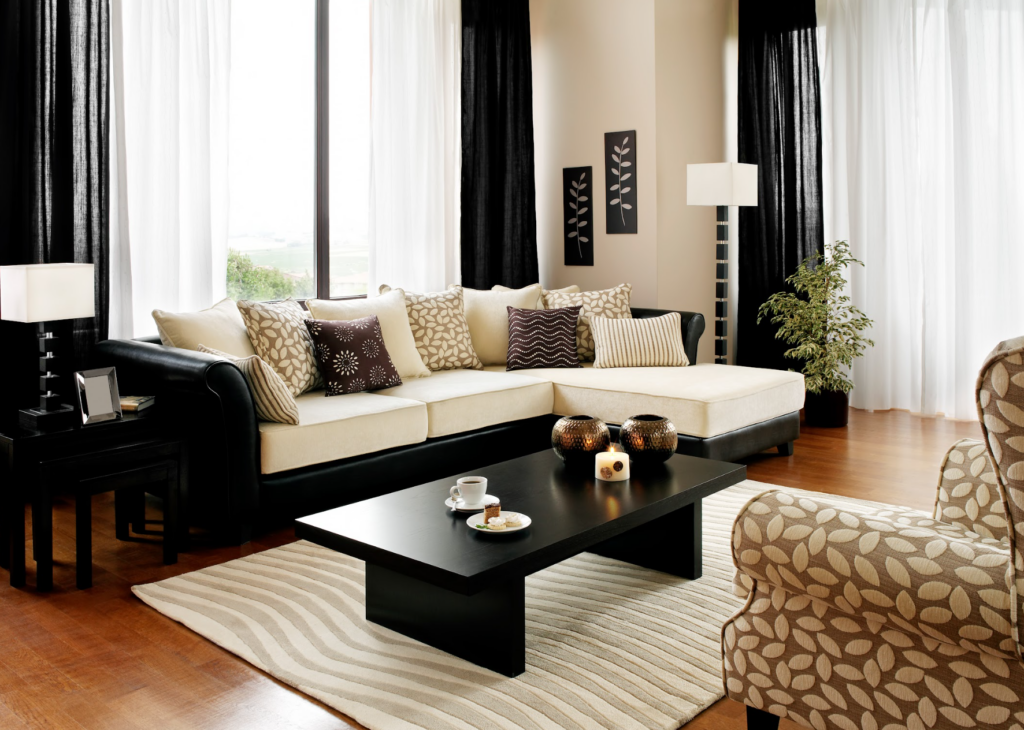
Examine the Back and the Construction
- Flip the rug over. The backing often reveals more truth than the front. A hand-knotted rug will display a mirrored, somewhat faded version of the front design, with visible individual knots.
- Tufted or machine-made rugs often have a uniform, often latex-based backing. That backing may feel rubbery or plasticky; the pattern on the back may be indistinct or absent.
- No glue backing is better. Rugs without glue or stiff backing are more breathable, more durable — especially in changing climates.
If the backing is stiff, glued, or unnatural-looking: treat with caution. That doesn’t automatically disqualify the rug — but it narrows the cases when a used rug is worth buying.
Feel the Pile, Examine the Fibers and Materials
- Natural fibers vs synthetic. Vintage and high-quality rugs are often made with wool, cotton, or silk. Wool in particular has desirable properties: it tends to develop a “patina” over time — a soft sheen, a softness underfoot, subtle age-related wear that feels rich and lived-in.
- If the rug feels overly smooth, plasticky, overly uniform — and especially if synthetic fibers (polypropylene, nylon, acrylic) are used — that’s a sign you’re dealing with a cheaper, less durable construction.
- Run your fingers across the pile. High-quality (or at least better) rugs — whether hand-knotted or tufted — feel dense, springy, and substantial.
Check Edges, Fringe, and Ends
- The edges and ends of a rug are often where wear shows first. If the ends are frayed badly, or if the fringe is damaged, unraveling, or appears to have been re-done poorly — that’s a red flag. According to experts, rugs whose ends have been “cut back” or heavily repaired tend to lose a lot of value.
- On a real handmade rug, the fringe is part of the foundation — the warp threads — not sewn or glued on afterward. If the fringe is obviously attached, it suggests a machine-made or tufted piece.
Loose, brittle or damaged edges can be repaired — but repairs are costly, and often don’t restore the original integrity. If you find such defects, factor in repair cost when evaluating the rug’s worth.
Look (and Feel) for Wear, Damage, or Repair History
- Wear is expected — but signs of structural damage are not. Light fading, mild thinning in high-traffic areas, small marks — these can be part of a rug’s charm (and history). But deep stains, water damage, brittle backing, cracking sounds when you fold the rug — those are big warning signs.
- As one expert warns: if a rug “feels like cardboard” when you bend or fold it, that may indicate fibers have rotted — perhaps due to water damage or poor drying after a spill. Such rugs are often not worth the investment.
- Also check whether the rug sits flat. If it has permanent ripples or warping, that may come from poor cleaning or storage, or from structural issues — and often isn’t reversible.
Assess Dye and Color Integrity
- Natural dyes age differently than chemical dyes. Many higher-quality vintage rugs were dyed using natural (vegetable-based) dyes, which age gracefully: slight abrash (color variation), subtle toning, softening of colors.
- Some unscrupulous dealers or manufacturers deliberately “faux age” new rugs — e.g., acid-washing or distressing piles to mimic vintage wear. On a truly old rug, the color variation tends to be subtle, uniform across the whole surface (not just superficial), and consistent with age.
- A simple test (if you have access) is to dab a slightly damp white cloth on an inconspicuous area. If much dye transfers, that may indicate poor dye quality or chemical dyes that fade or bleed easily.
If dye seems unstable, patchy, or artificially distressed, you may end up with more maintenance issues than charm.
Consider Provenance and Transparency (History, Seller, Documentation)
- When possible, buy from a reputable dealer — someone who knows rugs, has records, can show cleaning and restoration history. Vintage rugs often benefit from a traceable history (even if partial).
- Beware of vague descriptors: “vintage-inspired,” “distressed,” “antique look,” etc. These often mean new rugs made to look old — not true vintage or used rugs.
- If you can’t get provenance — at least negotiate good photos (front, back, close-ups), ask about cleaning/repair history, and inspect carefully yourself. Transparency and honesty on the seller’s part are worth their weight in wool.
3. What’s Worth Buying — And What to Skip
After all that inspection, how do you decide whether a used or vintage rug is worth buying? Here are some scenarios worth pursuing — and some you might want to leave in the shop.
✅ Good Candidates
- A tufted or hand-tufted rug with natural fibers (50–100% wool, or wool-rich blend), where the pile still feels dense and springy, and the backing is intact and not overly degraded. These can add character and still function for everyday use — especially in lower-traffic rooms or spaces where you don’t mind a bit of “lived-in” charm.
- A used rug with patina but no structural damage: minor fading, subtle wear, perhaps some thinning in high-traffic zones — as long as the foundation is sound. These rugs often become more beautiful with age — richer color tones, soft edges, mellow feel underfoot.
- A vintage rug with honest natural dye, subtle color variation, no synthetic “faux aging.” These can be quite valuable from an aesthetic (and maybe even investment) standpoint — a real piece of history, rehomed into your space.
⚠️ Cases to Be Wary Of
- A tufted or machine-made rug whose backing is cracked, brittle, or deteriorating — especially if there is glue or latex showing signs of wear. Over time, such rugs may unravel, shed, or simply fall apart.
- Rugs with poor repairs or heavy damage: badly frayed edges, stitched-on fringes (not original), visible mending, or patches. Unless you’re paying a low enough price and willing to invest in restoration, these are often more trouble than they’re worth.
- Rugs with synthetic fibers, poor dye, or signs of chemical distressing. These may look okay now — but their lifespan is often poor and their appearance unnatural. Colors may fade or change unevenly; fibers may become brittle; pile may flatten quickly.
In short: if the rug evokes a sense of real, lived-in character, built on good materials and solid construction — and not just artificially aged — it’s worth buying. Otherwise, treat with skepticism.
4. Special Considerations for Tufted Rugs
Because tufted rugs are constructed differently than hand-knotted ones, there are a few extra caveats:
- Lifespan may be limited. Many tufted rugs were made — especially in the mass-market segment — with relatively short lifespan in mind. For example, adhesives may degrade over time (especially in variable climates), causing tufts to loosen, shed, or backings to crack.
- Off-gassing. Some tufted rugs (especially newer ones) release odors from their latex adhesives — a burnt-rubber smell. In used rugs, this may have dissipated; but in older rugs, the glue may be brittle, dried out, or cracked — which can compromise integrity.
- Underestimate for high-traffic use. Even if a used tufted rug feels sturdy now, it may not stand up long-term under heavy traffic or in busy households. It can work well in guest rooms, low-traffic living rooms, or as decorative pieces — but may fall short as a “forever rug.”
So when buying a used tufted rug, think about how and where you plan to use it. If you’re looking for a long-lasting heirloom — hand-knotted may still be the safer bet. But if you want a character-rich decorative piece with a softer budget and modest expectations, a carefully selected used tufted rug can be a good choice.
5. Caring for Vintage or Used Rugs — After Purchase
If you decide to bring a vintage or used tufted rug (or any used rug) home, caring for it properly is key to preserving its beauty — and avoiding unexpected deterioration.
- Vacuum gently, regularly. Use a vacuum with adjustable suction; avoid beater bars or heavy rotating brushes that could damage the pile. For vintage rugs, gentle weekly vacuuming on the top side is ideal, and periodic vacuuming on the underside can help remove dust and prevent long-term buildup.
- Spot cleaning with care. If spills occur, blot immediately with a clean cloth; avoid rubbing, which can damage fibers. For stubborn stains, consider professional cleaning — especially for older rugs whose dyes or fibers may be sensitive.
- Rotate and pad. Rotate the rug every 6–12 months (or more frequently in high-traffic settings) to even out wear. Use a rug pad beneath it to cushion, reduce abrasion, and stabilize the rug — especially if the backing is worn or fragile.
- Avoid direct sunlight and moisture. Sunlight fades dyes; moisture can cause mold or damage the backing (especially in tufted rugs). If you store a rug, roll it with pile inward, wrap in breathable cloth (not plastic), and keep in a cool, dry place.
- Professional cleaning every 1–3 years. For antique or delicate rugs — or rugs with heavy traffic — a deep clean by a specialist can restore colors and pile, and prevent long-term degradation.
With a bit of care, a well-chosen used rug can remain beautiful — and functional — for many years.
6. What’s “Worth It” for a Brand Like Valhak — And Your Customers
As a rug brand (like Valhak), when you curate or resell vintage or used tufted rugs, it’s worth being selective. Here’s what should guide your sourcing, presentation, and recommendations to customers:
- Prioritize quality of materials and condition. Focus on rugs made of natural fibers (wool, cotton, maybe silk), with intact backing and no severe structural damage. These are pieces that can still perform — not just look nice.
- Be transparent about imperfections — and celebrate them. A few signs of wear, subtle fading, mild patina: these aren’t flaws — they’re part of the appeal. Describe them honestly. On the other hand, be honest about limitations (shorter lifespan, potential glue degradation, need for gentle care).
- Provide provenance, inspection details, and photos (front/back/edges). For used or vintage rugs, customers appreciate as much information as possible — when, where, how used, any repairs, and especially detailed photos of the back and edges. This builds trust and helps manage expectations.
- Position used tufted rugs as lifestyle — not heirlooms. Unless you know a tufted rug is high-quality and robust, present them as character-rich décor — pieces for style-conscious interiors, guest rooms, low-traffic areas — rather than as “forever rugs.”
- Offer guidance for care and maintenance. Provide buyers with care tips (vacuuming, padding, cleaning, rotation) so the rug lasts — and so they appreciate it for years.
In other words: treat used/vintage rugs not as commodities but as individual objects with history, personality, and constraints. The more honest and informed you are, the more your customers will value them.
7. Common Pitfalls & Buyer Mistakes to Watch Out For
Even seasoned rug lovers – pickily aesthetic or budget-minded — make mistakes when buying used or vintage rugs. Here are some common pitfalls.
- Assuming “vintage look” = “vintage rug.” Many mass-produced rugs are marketed as “vintage-inspired,” “distressed,” or “antique style.” They may look old — but they don’t carry the character, history, or material quality of a genuine vintage piece. Always inspect backing, fibers, dye, construction, not just surface looks.
- Overlooking backing or foundation condition. A beautiful surface means little if the backing is cracked, glued, or degraded. Over time, the rug may unravel or shed, causing structural failure.
- Ignoring repair history. Sometimes a rug has been heavily repaired — cut-back ends, re-fringed edges, patched sections. These repairs can be expensive to redo properly; and often they reduce the original value dramatically.
- Failing to consider where/how the rug will be used. A gently worn vintage rug might be perfect in a low-traffic bedroom — but not great in a busy living room with kids or pets. Think ahead.
- Underestimating maintenance needs. Vintage rugs (especially made of wool) need proper care — vacuuming, occasional professional cleaning, padding, rotation, protection from sunlight and moisture. Treating them like low-maintenance synthetic rugs can shorten their lifespan.
8. Conclusion
Vintage and used rugs — including tufted ones — can be more than just floor coverings. They can be storytellers. When chosen well, they bring warmth, character, and history into a home. Yet they require a careful, informed eye.
Not every used rug is worth buying — but many are. The key lies in inspection: checking the backing, materials, pile, dye, edges, and overall structural integrity. If a rug passes those tests — especially when crafted with natural fibers and well preserved — it can be a valuable addition to your home’s décor for years to come.
At Valhak, we believe in quality, honesty, and timeless style. And if you approach vintage rugs the right way — with patience, care, and respect — you might just find something worth bringing home.
9. FAQs
Q1: What is the difference between hand-tufted and hand-knotted rugs?
A: Hand-tufted rugs are made by punching yarn into a backing (often canvas) and securing it with glue or latex; hand-knotted rugs are made by tying individual knots by hand over warp threads. Hand-knotted rugs are generally more durable and considered more valuable.
Q2: Can a used tufted rug still last many years?
A: Yes — if the backing is intact and the fibers are natural and in good condition. However, tufted rugs typically have a shorter lifespan than hand-knotted ones due to their construction.
Q3: How can I tell if a rug uses natural dyes or chemical dyes?
A: One simple test: dab a damp white cloth on an inconspicuous area. If a lot of dye transfers to the cloth, it may be chemically dyed. Natural dyes tend to age gracefully and bleed less.
Q4: What should I do if a vintage rug has minor stains or wear?
A: Minor stains or light wear are often acceptable — and can even add character. Clean carefully (blot, don’t rub), consider professional cleaning if needed, and use a rug pad to reduce further wear. Regular vacuuming and rotation will help preserve it.
Q5: Is it better to buy a new rug or a vintage/used one?
A: It depends on your priorities. A new high-quality hand-knotted rug might last decades and offer consistency; a well-chosen vintage rug brings unique character and history. If you value charm, patina, and personality — and don’t mind a little maintenance — a vintage rug can be a rewarding choice.