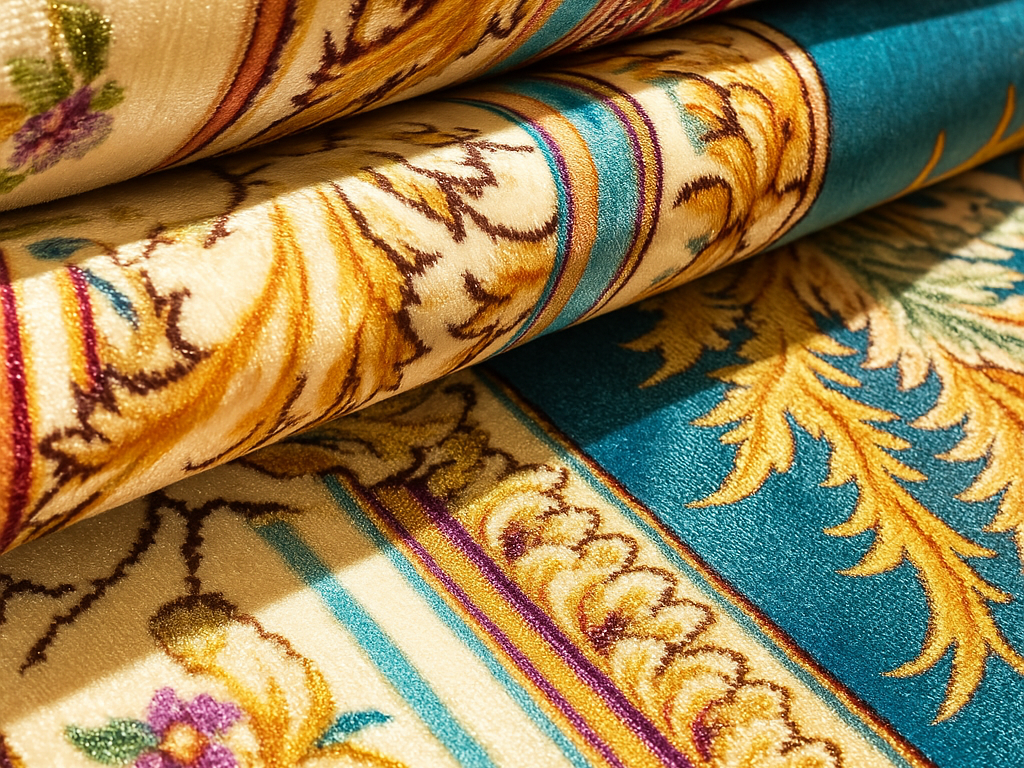
Keeping your home fresh while living with pets is a common challenge. Rugs—especially area rugs placed in living spaces, bedrooms, or hallways—bear the brunt of everyday traffic, fur, dirt, and the occasional accident. Unlike hard floors, rugs trap odors in their dense fibers and beneath their surface. If you’ve ever wondered why some smells linger long after the incident, or tried a solution only to have the odor return, this article is for you.
In this guide, we’ll walk through why pet smells occur, how odors behave in rug fibers, step-by-step cleaning strategies, and advanced solutions for stubborn cases. We’ll also cover material-specific advice and simple preventative methods to keep your rugs smelling fresh long-term. By the end, you’ll be equipped to treat odors effectively—whether it’s a new pet scent or something more deeply embedded.
1. Why Pet Odors Stick in Rugs (And Why Ordinary Cleaning Often Fails)
On the surface, pet odors might seem like just a smell. In reality, they’re a combination of organic compounds trapped deep in rug fibers, pad, and even underlay. Sweat, dander, saliva, and urine contain proteins and acids that cling tightly to fibers; over time, bacteria consume these substances and emit foul odor molecules.
Standard vacuuming mainly removes surface dirt and loose debris. Yet pet smells often originate below the surface, where traditional cleaning fails to reach. That’s why odors can persist even after a regular vacuuming or a quick wipe—especially if the odor source wasn’t fully neutralized in the first place.
Additionally, the longer an odor sits, the more it bonds with the rug material and underlying cushion. These molecules can interact with moisture and heat, producing more pungent smells over time if not treated correctly.
2. The Essential Five-Step Approach to Getting Pet Smell Out of Rugs
Here’s an effective, professional process that homeowners and pet owners love. It combines deep cleaning, odor neutralization, and fiber care.
Start With a Deep Vacuuming
Before applying liquids or powders, remove as much hair, dander, dirt, and debris as possible.
- Use a vacuum with a HEPAfilter for maximum particle removal deep in the fibers.
- If your vacuum has an upholstery attachment or brush roll that can be turned off, use it to avoid pushing debris further into the rug.
This step alone won’t remove odors—but it clears the way so treatments can reach deeper.
Treat Pet Accidents Immediately (Spot Treatment)
Prompt reaction is crucial. Address accidents while they are fresh:
- Blot immediately with clean paper towels or cloth—press firmly but don’t rub, as that spreads the liquid deeper.
- Apply a pet enzyme cleaner made for organic messes (urine, vomit). These products don’t mask the scent; they break down odor molecules at the source.
Enzymatic cleaners work by dissolving the proteins in the spill, and are especially effective for urine and fecal odors that cling to rug fibers and padding. Always follow product instructions.
Use Natural Deodorizers
Baking soda is one of the most well-known natural odor absorbers—and for good reason:
- It neutralizes acidic smells rather than just coating them.
- Sprinkle a generous amount over the affected area and let it sit for hours (overnight for best results).
- Then vacuum thoroughly.
This method is safe, inexpensive, and works on general pet odors.
Tip: Some pros recommend lightly misting the rug with distilled water before applying baking soda so the powder adheres better to fibers. This enhances odor absorption.
Apply a Vinegar Solution (Cautiously)
White vinegar is a natural mild acid that helps neutralize alkaline components of urine and other pet smells. Mix equal parts white vinegar and water in a spray bottle and lightly mist the stained areas. Let it sit, then blot dry.
Important: Always test in a small, hidden area first. Vinegar might affect delicate fibers or dyes, especially in high-value handknotted or wool rugs.
Deep Clean With Steam or Professional Tools
For deeply embedded odors—especially in high-traffic areas—steam cleaning or professional hot water extraction can penetrate beyond surface fibers to reach odor sources. These systems use heated water and suction to remove bacteria, debris, and organic residue.
When done correctly, professional cleaning can remove up to 95% of contaminants and significantly reduce recurring smells.
3. Advanced Solutions for Stubborn Odor Problems
Sometimes simple methods aren’t enough. For persistent pet smells:
Use Bio-Enzymatic Cleaners
While baking soda and vinegar help, enzyme cleaners are specifically formulated to break down organic compounds in pet messes. They’re particularly effective for urine, where chemical bonds hold smelly molecules deep in fibers.
Apply generously and allow extended dwell time—often 10 to 15 minutes or more—for maximum action.
Remove Rug Padding (If Necessary)
If odor has penetrated the pad beneath the rug (common with repeated accidents), it may need to be removed and replaced. Odors trapped in padding can continually seep back upward, no matter how well you clean the rug itself.
When removing padding:
- Wear gloves
- Use a scraper to detach adhesive
- Replace with a pet-resistant pad
This is more work but can make a dramatic difference for long-standing issues.
Try Oxygen-Based or Professional Enzyme Formulas
For extremely stubborn odors that resist regular enzyme sprays, professional‐grade oxygen cleaners or commercial enzyme concentrates can be effective. These products contain stronger active agents that penetrate deeply.
Always follow safety guidelines and do a patch test first.
4. Material-Specific Pet Odor Tips
Different rug materials react differently to cleaning methods, so it’s essential to know your rug’s fiber content.
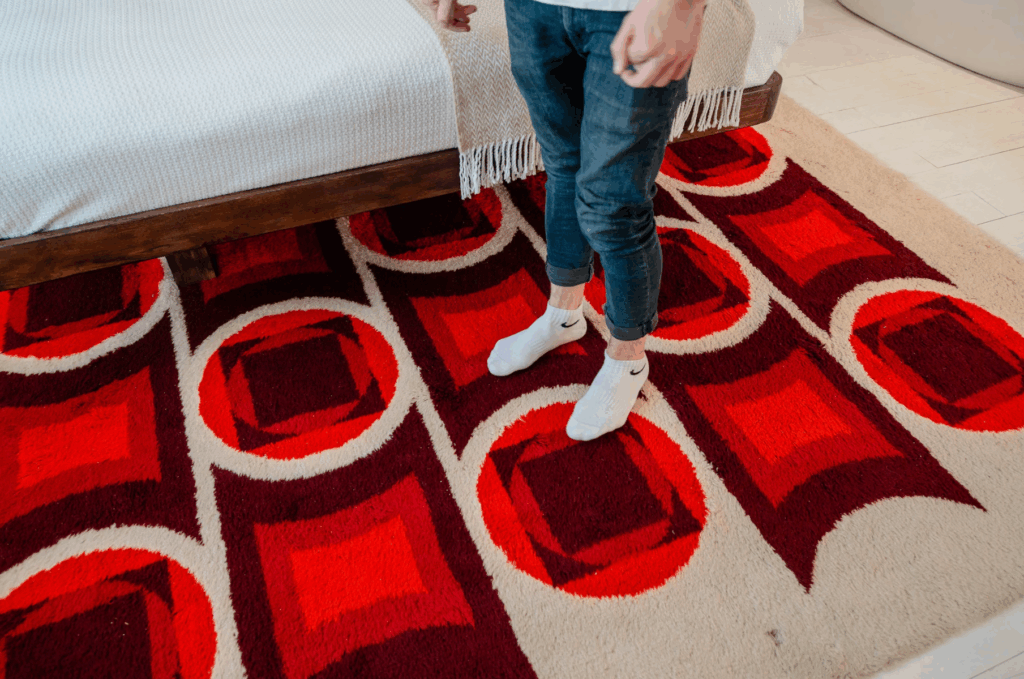
Synthetic Rugs (Polyester, Nylon, Polypropylene)
- Synthetic rugs are generally durable and can tolerate more vigorous wet cleaning.
- Baking soda, enzymatic cleaners, and diluted vinegar solutions are usually safe here.
Always double-check the manufacturer’s care label.
Natural Fiber Rugs (Wool, Cotton, Jute)
- Natural fibers can be sensitive to excessive moisture.
- Use gentle enzyme cleaners and avoid soaking the rug.
- For wool rugs in particular, avoid harsh acids like concentrated vinegar, which can harm fibers.
Delicate or Antique Rugs
For heirlooms and valuable Persian, Oriental, or antique pieces, professional cleaning is often the safest choice. DIY treatments with liquids or acids can damage delicate yarns or dyes.
5. Preventative Measures to Keep Smells Away
Controlling odor is easier when you prevent it from settling deeply in the first place.
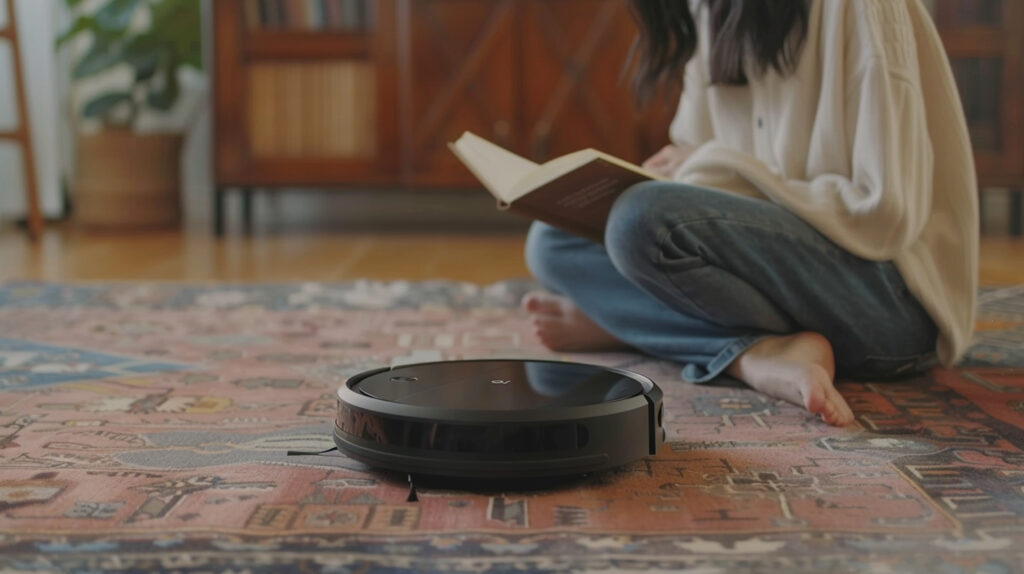
Routine Vacuuming
Frequent vacuuming prevents hair, dirt, and dander build-up—two big contributors to pet smell over time. Aim for at least 2–3 times weekly in areas your pet frequents.
Washable Rugs in High-Risk Zones
In areas prone to accidents—like beside litter boxes, feeding mats, or entryways—consider placing washable rugs. These can be machine washed regularly to keep smells under control.
Use Rug Pads With Odor-Resistant Features
Some modern rug pads are designed to resist moisture and odor, making it harder for smells to migrate into floors and underlay. Pair a pad with regular cleaning for best results.
Air Circulation and Ventilation
Good airflow helps odors dissipate rather than linger. Open windows when weather permits, and consider air purifiers with HEPA filters to capture airborne dander and particles.
6. When to Call a Professional
You’ve tried the enzyme sprays, the baking soda, even steam cleaning—and still the smell persists? It might be time to call a professional rug cleaner.
Professional services offer:
- High-power extraction equipment
- Commercial enzyme and oxygen cleaners
- Deep padding and sub-floor odor treatment
Professionals also bring expertise that reduces the risk of damage to expensive rugs.
7. Signs Your Pet Odor Is Deeper Than the Surface
Even after cleaning, you might notice:
- A lingering odor when the rug is damp
- Pets repeatedly marking the same area
- Smell returns within days
- The odor seems stronger in humid weather
These are signs odors have penetrated padding or underlying floors.
8. Conclusion
Getting pet smell out of rugs is a multi-layered process. From the initial vacuum to spot cleaning and deep extraction, every step plays a part. Whether you choose simple home remedies like baking soda and vinegar, enzyme-based cleaners, steam cleaning, or professional services, the key is to neutralize odors at the source—not just mask them.
Valhak understands that beautiful rugs are more than decor—they’re part of your home’s comfort. With the right care, even pet-friendly homes can smell fresh and inviting.
9. FAQs
Do baking soda and vinegar really work for pet smells?
Yes—baking soda absorbs odors and vinegar’s acidity helps neutralize alkaline residues. They’re effective for mild to moderate odors when used correctly.
Are enzyme cleaners safe for all rugs?
Most are safe for synthetic and washable rugs, but always test a small hidden area first—especially with delicate fibers.
How long should baking soda stay on a rug?
For best results, let it sit overnight. This gives enough time for absorption before vacuuming.
Can steam cleaning set pet odors instead of removing them?
If done improperly, steam can push odor deeper. Proper hot water extraction with deodorizing solutions yields better results.
What if the smell returns after cleaning?
Persistent odor usually indicates deeper penetration into padding or subfloor. A professional deep clean or pad replacement may be necessary.