When bringing a rug into your home, you’re doing more than laying down a floor covering — you’re choosing a piece of craftsmanship, a statement of style, and a surface that will shape how your space feels and functions. At Valhak, we believe the right rug enhances your interior both visually and in terms of comfort and durability. Understanding the difference between hand-knotted and hand-tufted rugs is vital to making a thoughtful choice that aligns with your aesthetic preferences, lifestyle, and budget.
This comprehensive guide breaks down everything you should consider — from how these rugs are made, to their performance over time, and how to decide which type is best suited for your needs.
1. What Are Hand-Knotted Rugs? Craftsmanship at Its Finest
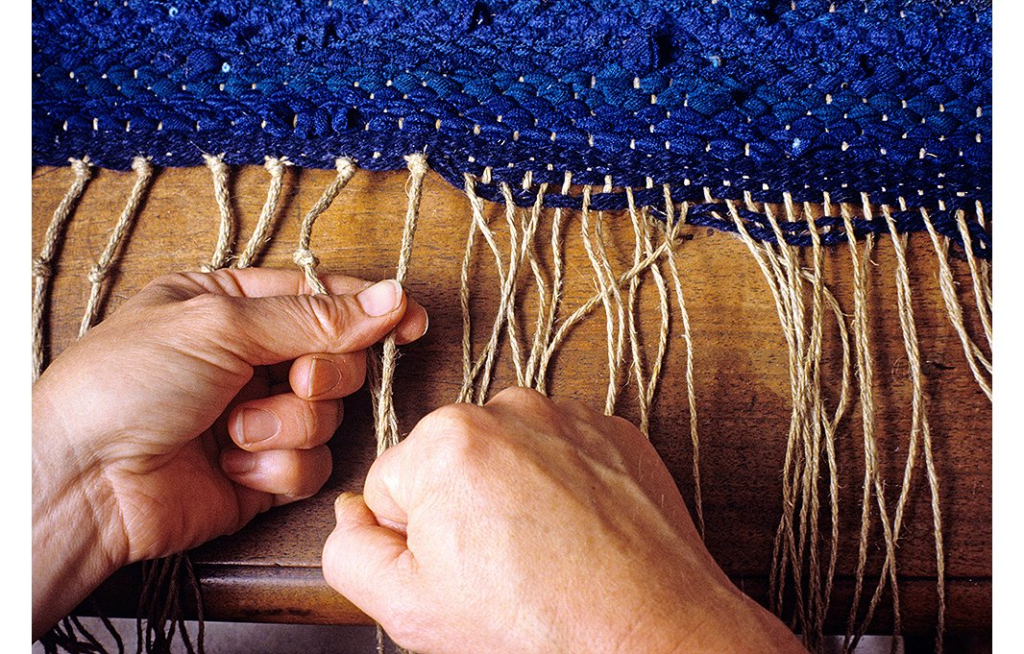
Hand-knotted rugs represent the pinnacle of traditional rug-making techniques, and they’ve been cherished for centuries in cultures around the world. What sets them apart is the artisanal process of tying individual knots by hand onto a foundation of warp threads. These are not machine-operated products — they are woven by skilled artisans who meticulously craft each square inch.
Key Characteristics of Hand-Knotted Rugs:
- Fully Handcrafted: Each knot is tied by an artisan, contributing to intricate detail and individuality.
- Natural Materials: Typically made with wool, cotton, or silk, which provide a rich feel and natural resilience.
- Exceptional Durability: These rugs can last decades, often generations with proper care.
- Detailed Designs: Complex patterns are possible thanks to the knotting technique and high knot density.
- Visible Backing: The rug’s pattern is mirrored on the back — a signature sign of hand-knotting.
This process takes months or even years for larger rugs with dense, elaborate designs. It’s slow and meticulous — but the result is a one-of-a-kind piece that can become an heirloom.
2. What Are Hand-Tufted Rugs? Speed with Style
Hand-tufted rugs still involve human effort, but the technique is different. Rather than tying knots, artisans use a tufting gun to punch strands of yarn into a stretched canvas backing. The yarns are then secured with adhesive and a backing cloth is applied.

Key Characteristics of Hand-Tufted Rugs:
- Semi-handmade Process: A tool (tufting gun) speeds up production compared to traditional hand-knotting.
- Rapid Production: Can be completed in days or weeks rather than months.
- Versatile Designs: Wide array of styles, colors, and textures due to simpler construction.
- Accessible Price Point: Less labor and time translate into lower cost.
- Backed Structure: Glue and cloth backing hold the tufts in place, making the back look different from the front.
Hand-tufted rugs deliver excellent visual appeal and comfort, especially in contemporary or transitional interiors. However, their construction inherently limits longevity compared to hand-knotted pieces.
3. Side-by-Side Comparison: Head to Head
Here’s a clear comparison to help you evaluate which rug type aligns with your needs:
| Feature | Hand-Knotted Rugs | Hand-Tufted Rugs |
| Craftsmanship | Fully handmade | Hand guided with tufting gun |
| Production Time | Months → Years | Days → Weeks |
| Materials | Natural fibers (wool/silk/cotton) | Wool, synthetic blends, cotton |
| Durability | Very high (decades+) | Moderate (5–15 years) |
| Design Complexity | Very intricate | High variety, often simpler |
| Maintenance | Professional cleaning recommended | Easier home cleaning |
| Price | Higher | More affordable |
| Longevity Value | Investment, heirloom potential | Functional, stylish but shorter lifespan |
This comparison encapsulates the core differences: time, technique, cost, and longevity — all essential when you’re choosing rugs for your home.
4. Craftsmanship: Why It Matters
At Valhak, we emphasize that the craftsmanship behind a rug contributes not only to its look and feel but also to its longevity and cultural value.
Hand-Knotted: A Labor of Love
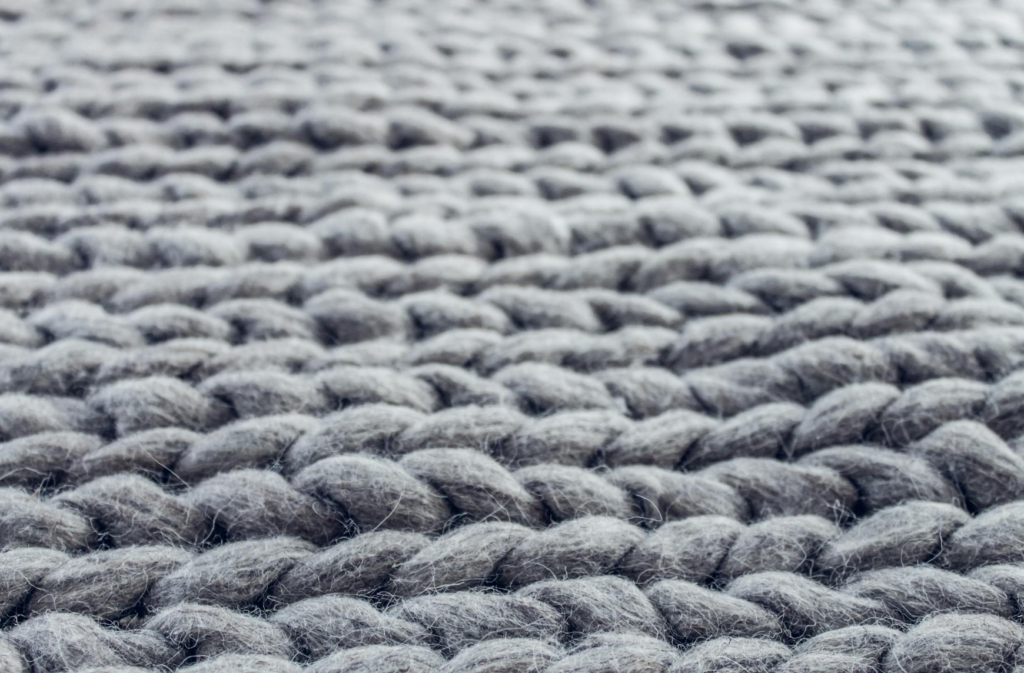
Hand-knotted rugs are often viewed as textile art. Each artisan brings nuanced skill to their work, resulting in slight variations between pieces that enrich their character. The density and precision of knots significantly affect durability — the higher the knot count, the finer and longer-lasting the rug.
These rugs are not just décor; they are heritage pieces you can pass down. Their intense labor requirements and detailed artistry make them prized possessions in homes around the world.
Hand-Tufted: Art Meets Efficiency
Hand-tufted rugs bridge craftsmanship and practicality. Although they don’t have the same knot structure, the tactile richness and design breadth they offer make them extremely appealing. They bring warmth, softness, and creative flair into spaces where a long-term investment isn’t the primary goal.
They’re particularly well-suited for:
- Bedrooms
- Family rooms
- Rental properties
- Trend-driven décor schemes
These rugs are flexible solutions where style and speed matter.
5. Durability and Where to Use Each Rug
Understanding where you’ll use the rug is crucial to choosing between hand-knotted and hand-tufted.
High-Traffic Areas Demand Strength
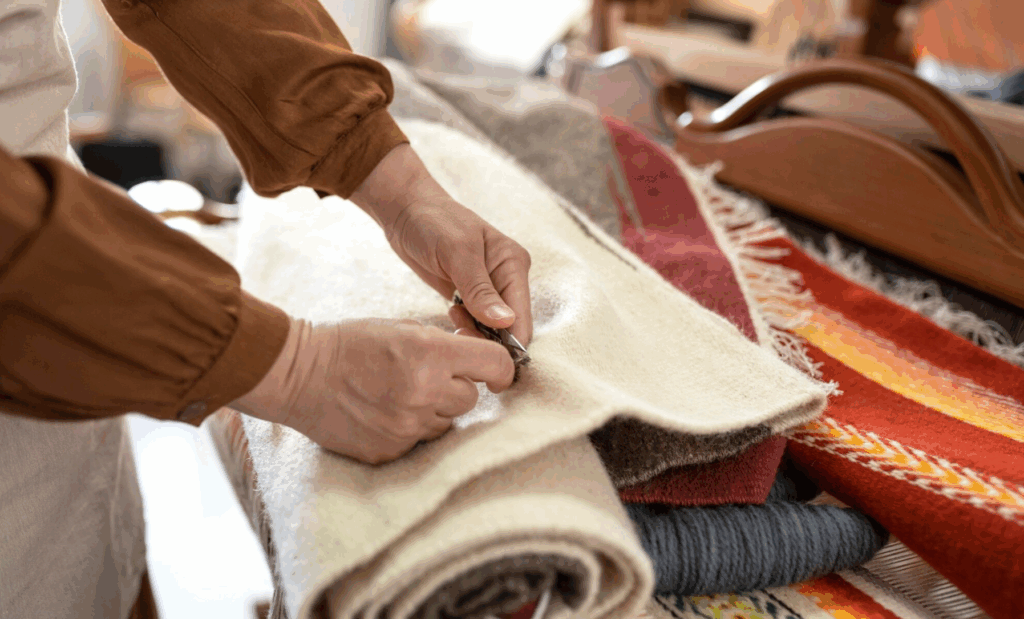
If your living room sees constant foot traffic or you’re placing a rug in a main seating area or entryway, durability should be a top priority. Hand-knotted rugs are engineered for long-term performance and can withstand heavy use while maintaining their beauty.
Moderate-Use Spaces and Comfort
Hand-tufted rugs excel in spaces where comfort and design choice are more important than heirloom quality — think bedrooms, guest rooms, or study areas. Their lush pile and softer feel make them ideal where a cozy sensation underfoot matters.
6. Maintenance and Cleaning
Caring for your rug properly ensures it lasts as long as possible — and different rug types require different approaches.
Hand-Knotted Rugs
Due to their natural fibers and intricate knotting:
- Annual professional cleaning is often recommended.
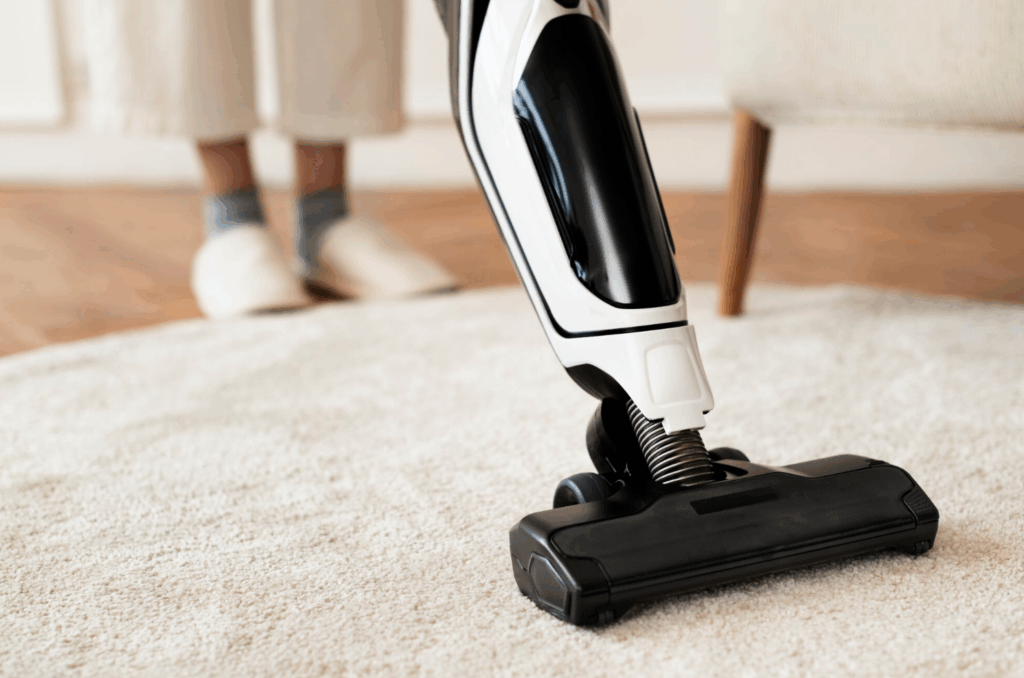
- Regular vacuuming helps remove surface dust.
- Avoid harsh chemicals and excess moisture.
These rugs reward careful maintenance with remarkable longevity.
Hand-Tufted Rugs
Thanks to their backing and construction:
- They can be vacuumed and spot-cleaned at home.
- Deep wet cleaning is risky due to latex or adhesive backing.
- Regular care reduces shedding and preserves appearance.
Each type has maintenance needs tied to its construction, so understanding these differences helps you plan long-term care.
7. Cost and Value: What You’re Really Paying For
Budget is often a deciding factor — and rightfully so. Understanding the value each rug offers can help you invest wisely.
Hand-Knotted: Quality Over Time
The upfront cost is higher, but you’re paying for craftsmanship, rare materials, and longevity. Many hand-knotted rugs can appreciate in value over time, especially if crafted in renowned weaving regions or featuring enduring designs.
Hand-Tufted: Style Without the Hefty Price
Hand-tufted rugs allow you to enjoy artistic design and good quality without a premium price tag. They’re ideal for decorating multiple rooms or updating décor frequently without a heavy investment.
In essence:
- Hand-knotted rugs = Long-term investment.
- Hand-tufted rugs = Stylish, cost-effective choice.
8. Choosing the Right Rug for Your Space: A Practical Checklist
Use this quick checklist to clarify which rug type fits your goals:
How Long Do You Want It to Last?
- Generations → Hand-knotted
- A decade or more → Hand-tufted
What’s Your Budget?
- Higher budget with long-term value → Hand-knotted
- Moderate budget with excellent style → Hand-tufted
How Much Traffic Will the Rug See?
- Heavy traffic → Hand-knotted
- Light/moderate traffic → Hand-tufted
How Important Is Design Complexity?
- Very intricate and detailed patterns → Hand-knotted
- Wide variety of contemporary patterns → Hand-tufted
Maintenance Willingness?
- Professional care acceptable → Hand-knotted
- Easy home maintenance preferred → Hand-tufted
This structured approach helps you decide with confidence.
9. Conclusion
Selecting between a hand-knotted and a hand-tufted rug is more than a matter of aesthetics; it’s about understanding craftsmanship, durability, and how a rug fits into your lifestyle and design vision. Hand-knotted rugs are exquisite investments — heirlooms that tell a story and stand the test of time. Hand-tufted rugs offer beautiful design, comfort, and accessibility, making them perfect for evolving interiors and budget-savvy decorators.
Whichever route you choose, Valhak is here to help you find rugs that align with your space, style, and values — because the right rug doesn’t just cover your floor — it completes your home.
10. Frequently Asked Questions (FAQs)
What’s the biggest difference between hand-knotted and hand-tufted rugs?
Hand-knotted rugs are fully handmade with individual knots, while hand-tufted rugs use a tufting gun and backing cloth.
Which rug type lasts longer?
Hand-knotted rugs can last decades or generations; hand-tufted rugs typically last around 5–15 years.
Are hand-knotted rugs worth the investment?
Yes — they’re durable, unique, and can appreciate in value over time.
Can I clean a hand-tufted rug at home?
Yes, hand-tufted rugs can be vacuumed and spot-cleaned, but avoid excessive wet cleaning.
How can I tell if a rug is hand-knotted or hand-tufted?
Look at the back: hand-knotted rugs show knots and pattern; hand-tufted rugs have a fabric backing.